
Hausa
They call themselves Hausawa
A major West African people of the Sahel and savanna, known for trade and Islamic heritage
The Hausa are a large West African people, numbering around 86 million, mainly in northern Nigeria and southern Niger, with significant communities across West and Central Africa. They are known for their Hausa language, Islamic traditions, and a long history as traders, farmers, and city builders in the Sahel and savanna.
- Hausa is the second most spoken Afro-Asiatic language after Arabic
- The Durbar festival features horsemen and celebrates Islamic holidays
- Historic Hausa cities like Kano and Katsina were major trade centers
- Hausa use ajami, a modified Arabic script, for writing
- Queen Amina of Zaria is a legendary Hausa ruler and builder
Who are the Hausa?
The Hausa are one of Africa’s largest ethnic groups, united by their language, history, and culture. Their identity centers on the Hausa language, which is widely spoken as a first or second language across West Africa. The Hausa have a long tradition of town and city life, with a history of powerful kingdoms and trading states. Social ties are reinforced by shared customs, Islamic faith, and a sense of belonging to Hausaland, the region spanning northern Nigeria and southern Niger.
Where do the Hausa live?
The Hausa homeland, known as Hausaland, covers the Sahel and savanna regions of northern Nigeria and southern Niger. This area features open grasslands, scattered trees, and a climate with distinct wet and dry seasons. Key historic cities include Kano, Katsina, Zaria, and Daura, which have served as centers of trade, learning, and governance. The region’s location along ancient trade routes helped the Hausa become prominent merchants and city builders.
What language do the Hausa speak?
Hausa is an Afro-Asiatic language and one of the most widely spoken in Africa, serving as a lingua franca across much of West Africa. It is used in daily life, trade, media, and Islamic scholarship. Hausa has a long written tradition, including the use of ajami, a modified Arabic script, since at least the 15th century. The language remains vibrant, with millions of speakers and a strong presence in radio, literature, and education.
How do the Hausa live?
Traditionally, the Hausa are settled farmers, growing crops such as millet, sorghum, and groundnuts. Many live in villages or historic cities, and some are skilled artisans, producing textiles, leather goods, and metalwork. Trade has long been central, with Hausa merchants active in local and trans-Saharan markets. Horses are a symbol of status, especially among the nobility, and feature in festivals and ceremonies. Today, many Hausa also work in towns and cities across West Africa.
How is Hausa society organised?
Hausa society is organized around extended families and, historically, city-states ruled by emirs. Lineage and clan ties are important, and marriage often strengthens alliances between families. Leadership traditionally rests with emirs and local chiefs, who oversee religious, judicial, and social matters. Islamic law and customs shape many aspects of daily life, though some rural communities maintain older traditions.


What do the Hausa believe?
Most Hausa are Muslim, a faith established in the region by the 14th century through trade and scholarship. Islamic practices and festivals are central, and historic mosques and minarets stand in many cities. Some communities, such as the Maguzawa, retain elements of pre-Islamic beliefs. Art, music, and dress reflect both Islamic and local influences, with elaborate embroidery, horse regalia, and the famous Durbar festival celebrating heritage and faith.
The history of the Hausa
The Hausa trace their origins to ancient kingdoms like Daura, Kano, and Katsina, which emerged between the 7th and 16th centuries. These states became major centers of trade, producing textiles, leather, and other goods for local and trans-Saharan markets. Islam spread widely from the 14th century, shaping culture and governance. In the 19th century, the Sokoto jihad led by Usman dan Fodio overthrew most Hausa kingdoms, creating the Sokoto Caliphate under Fula leadership. British colonial rule followed in the early 20th century, reorganizing the region but retaining much of the emirate system.
Hausa life today
Today, the Hausa remain a major population in Nigeria, Niger, and across West Africa. Their language and culture are influential throughout the region. Most Hausa are Muslim, and many still farm, trade, or work in crafts, though urban migration is common. While traditional structures persist, modern pressures and political changes have shaped Hausa society. Their cities, language, and Islamic heritage continue to play a key role in West African life.
Questions people ask about the Hausa
Where do the Hausa people live?
The Hausa mainly live in northern Nigeria and southern Niger, with significant communities in countries like Ghana, Cameroon, Sudan, and Ivory Coast.
How many Hausa people are there?
There are about 86 million Hausa people, making them one of Africa’s largest ethnic groups.
What language do the Hausa speak?
They speak Hausa, an Afro-Asiatic language widely used across West Africa and written in both Roman and ajami (Arabic-based) scripts.
What is the main religion of the Hausa?
Most Hausa are Muslim, with Islam shaping much of their culture and daily life since the 14th century.
What are the Hausa known for?
The Hausa are known for their historic kingdoms, trade, Islamic scholarship, city building, and festivals such as the Durbar.
Sources and further reading
- Hausa people on WikipediaEncyclopedia
- Encyclopaedia BritannicaArticle
- More photos on Wikimedia CommonsPhotos
- Wikidata recordOpen data
This page was written with AI assistance from the sources above and checked automatically before publishing. It may contain mistakes, and it is no substitute for hearing from the Hausa themselves. If something is wrong, tell us. Last refreshed 2026-10-02.
Neighbours in Nigeria
All peoples of Nigeria YorubaÌran Yorùbá
🇳🇬 Nigeria and 11 moreA major West African people rooted in Nigeria, Benin, and Togo
About 53 million, Volta-Niger (Niger–Congo)
YorubaÌran Yorùbá
🇳🇬 Nigeria and 11 moreA major West African people rooted in Nigeria, Benin, and Togo
About 53 million, Volta-Niger (Niger–Congo)
 FulaniFulɓe
🇳🇬 Nigeria and 21 moreCattle herders and farmers spread across West and Central Africa
About 39 million, Atlantic-Congo (Niger-Congo)
FulaniFulɓe
🇳🇬 Nigeria and 21 moreCattle herders and farmers spread across West and Central Africa
About 39 million, Atlantic-Congo (Niger-Congo)
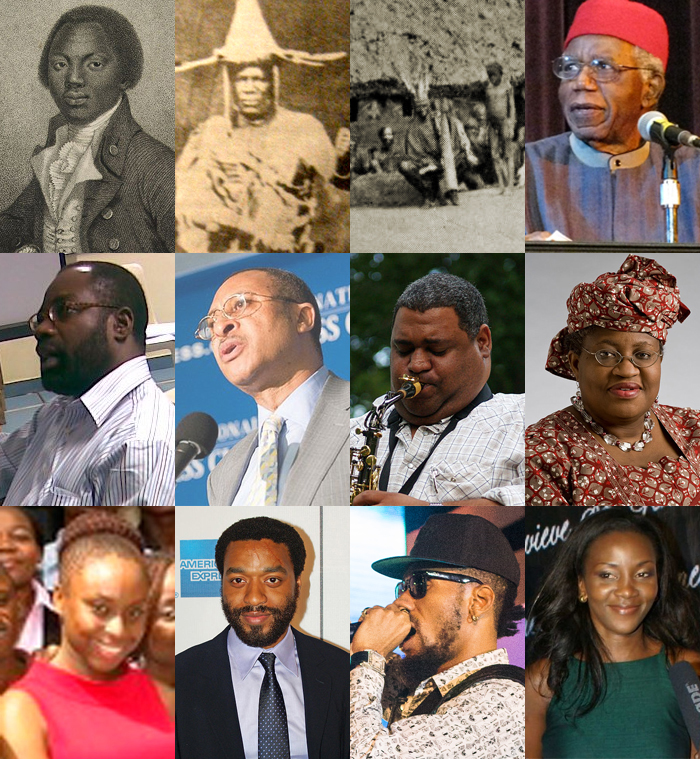 IgboŃdị́ Ìgbò
🇳🇬 Nigeria and 11 moreA major ethnic group of southeastern Nigeria with a rich history and diaspora
About 42 million, Niger-Congo
IgboŃdị́ Ìgbò
🇳🇬 Nigeria and 11 moreA major ethnic group of southeastern Nigeria with a rich history and diaspora
About 42 million, Niger-Congo
 Baggaraعرب البقارة
🇸🇩 Sudan and 6 moreNomadic cattle herders of the Sahel between Lake Chad and the Nile
About 6 million, Afro-Asiatic, Semitic
Baggaraعرب البقارة
🇸🇩 Sudan and 6 moreNomadic cattle herders of the Sahel between Lake Chad and the Nile
About 6 million, Afro-Asiatic, Semitic
Other Afro-Asiatic speakers
See them all Quraysh
🇸🇦 Saudi ArabiaMerchant Arab tribe of Mecca, central in early Islamic history
Afro-Asiatic
Quraysh
🇸🇦 Saudi ArabiaMerchant Arab tribe of Mecca, central in early Islamic history
Afro-Asiatic
 Bedouinبدو
🇸🇦 Saudi Arabia and 15 moreNomadic and semi-nomadic Arab tribes of deserts from Arabia to North Africa
About 22 million, Afro-Asiatic
Bedouinبدو
🇸🇦 Saudi Arabia and 15 moreNomadic and semi-nomadic Arab tribes of deserts from Arabia to North Africa
About 22 million, Afro-Asiatic
 Abbasidsالعباسيون
🇮🇶 Iraq and 3 moreArab dynasty that ruled the Abbasid Caliphate from 750 to 1258
Historical, Afro-Asiatic
Abbasidsالعباسيون
🇮🇶 Iraq and 3 moreArab dynasty that ruled the Abbasid Caliphate from 750 to 1258
Historical, Afro-Asiatic
 Tribe of Judahשֵׁבֶט יְהוּדָה (Shevet Yehudah)
🇮🇱 Israel and 2 moreA leading tribe of ancient Israel, centered in southern Judea
Historical, Afro-Asiatic
Tribe of Judahשֵׁבֶט יְהוּדָה (Shevet Yehudah)
🇮🇱 Israel and 2 moreA leading tribe of ancient Israel, centered in southern Judea
Historical, Afro-Asiatic