Kven
They call themselves kvääni / kainu
A Balto-Finnic minority rooted in northern Norway’s fjords and valleys
The Kven are a Balto-Finnic ethnic minority in northern Norway, mainly in Finnmark and Troms. Their ancestors migrated from Finland and Sweden between the 17th and 19th centuries. Today, they number about 10,000–15,000 and are known for their distinct Kven language and culture, both officially recognized in Norway.
- Kven language is officially recognized as a minority language in Norway.
- Most Kvens live in Finnmark and Troms, northern Norway.
- Their ancestors migrated from Finland and Sweden between the 17th and 19th centuries.
- Kvens faced forced assimilation under Norwegianization policies.
- A Kven cultural revival began in the late 20th century.
Who are the Kven?
The Kven are a Balto-Finnic people living mainly in northern Norway, especially in Finnmark and Troms. Their identity is shaped by a shared history of migration from Finnish-speaking regions of Finland and Sweden, distinct language, and cultural traditions. Despite pressures to assimilate, the Kven have maintained a sense of community through language, religion, and cultural practices. Today, they are recognized as a national minority in Norway and continue to revitalize their heritage.
Where do the Kven live?
Kvens live in the northernmost parts of Norway, particularly along the fjords and river valleys of Finnmark and Troms. These regions are marked by a subarctic climate, coastal landscapes, and a mix of forests and open land. The Kven settlements often developed where farming and fishing could be combined, making use of the rich natural resources of the north. Their communities are closely tied to the land and waterways.
What language do the Kven speak?
The Kven language is a Balto-Finnic language, closely related to Finnish but distinct due to centuries of separation and influence from Norwegian. It is officially recognized as a minority language in Norway. Most fluent speakers are over 60, and the language is considered endangered. Some children can learn Kven in schools, but Finnish is often preferred. Kven has many Norwegian loanwords and preserves old Finnish terms.
How do the Kven live?
Traditionally, Kvens combined farming and fishing to make a living. They settled in areas where both activities were possible, such as along fjords and rivers. Over time, many also worked as craftsmen, laborers, and in the fishing industry or copper works. Today, Kvens are employed in a range of occupations, including wage labor in towns. Their material culture reflects both Finnish and Norwegian influences.
How is Kven society organised?
Kven society has roots in Finnish village life, with families and extended kin networks playing a central role. Historically, social organization was shaped by migration patterns and settlement in new areas. Marriage often linked Kven families with Norwegians and Sami. Decisions were made within families and local communities, and the church, especially the Laestadian movement, has been important for social cohesion.
What do the Kven believe?
Most Kvens are Lutheran, with many following Laestadianism, a revivalist movement that spread among Finnish speakers. Religious gatherings and church life have helped maintain community ties. Kven culture includes traditional music, crafts, and storytelling. Dress and customs often blend Finnish and Norwegian elements, reflecting their mixed heritage.
The history of the Kven
Kvens are mentioned in Norse and Anglo-Saxon sources as early as the 9th century, but significant migration to Norway began in the 17th–19th centuries from Finnish and Swedish regions. They were welcomed as settlers, but from the late 19th century faced harsh Norwegianization policies: their language was suppressed, and many were pressured to assimilate. The Kven language and identity declined, but from the 1970s, cultural revitalization began. In 1996, Kvens gained minority status, and in 2005, their language was officially recognized. In 2023, Norway’s parliament apologized for past assimilation policies.
Kven life today
Today, the Kven number about 10,000–15,000 in Norway, though estimates vary. Their language is endangered but is taught in some schools. Kvens are officially recognized as a national minority, but some seek recognition as an indigenous people. There is ongoing cultural revival, but also debate over identity and rights. The Norwegian Truth and Reconciliation Commission has acknowledged the harm caused by past assimilation policies.
Questions people ask about the Kven
Where do the Kven live?
The Kven live mainly in northern Norway, especially in the regions of Finnmark and Troms, often along fjords and rivers.
How many Kvens are there?
Estimates suggest there are about 10,000–15,000 Kvens in Norway, though some sources give higher numbers depending on the definition used.
What language do the Kven speak?
The Kven speak the Kven language, a Balto-Finnic language closely related to Finnish. It is officially recognized as a minority language in Norway.
What is the history of the Kven people?
The Kven migrated from Finland and Sweden to northern Norway mainly between the 17th and 19th centuries. They faced forced assimilation but have revived their culture and language in recent decades.
What are the main beliefs of the Kven?
Most Kvens are Lutheran Christians, with many following Laestadianism, a revivalist movement that has been important in their communities.
Sources and further reading
This page was written with AI assistance from the sources above and checked automatically before publishing. It may contain mistakes, and it is no substitute for hearing from the Kven themselves. If something is wrong, tell us. Last refreshed 2026-10-02.
Neighbours in Norway
All peoples of Norway Sámisámit
🇳🇴 Norway and 3 moreIndigenous reindeer herders and fishers of northern Fennoscandia and Russia
About 80,000, Uralic
Sámisámit
🇳🇴 Norway and 3 moreIndigenous reindeer herders and fishers of northern Fennoscandia and Russia
About 80,000, Uralic
 Danes
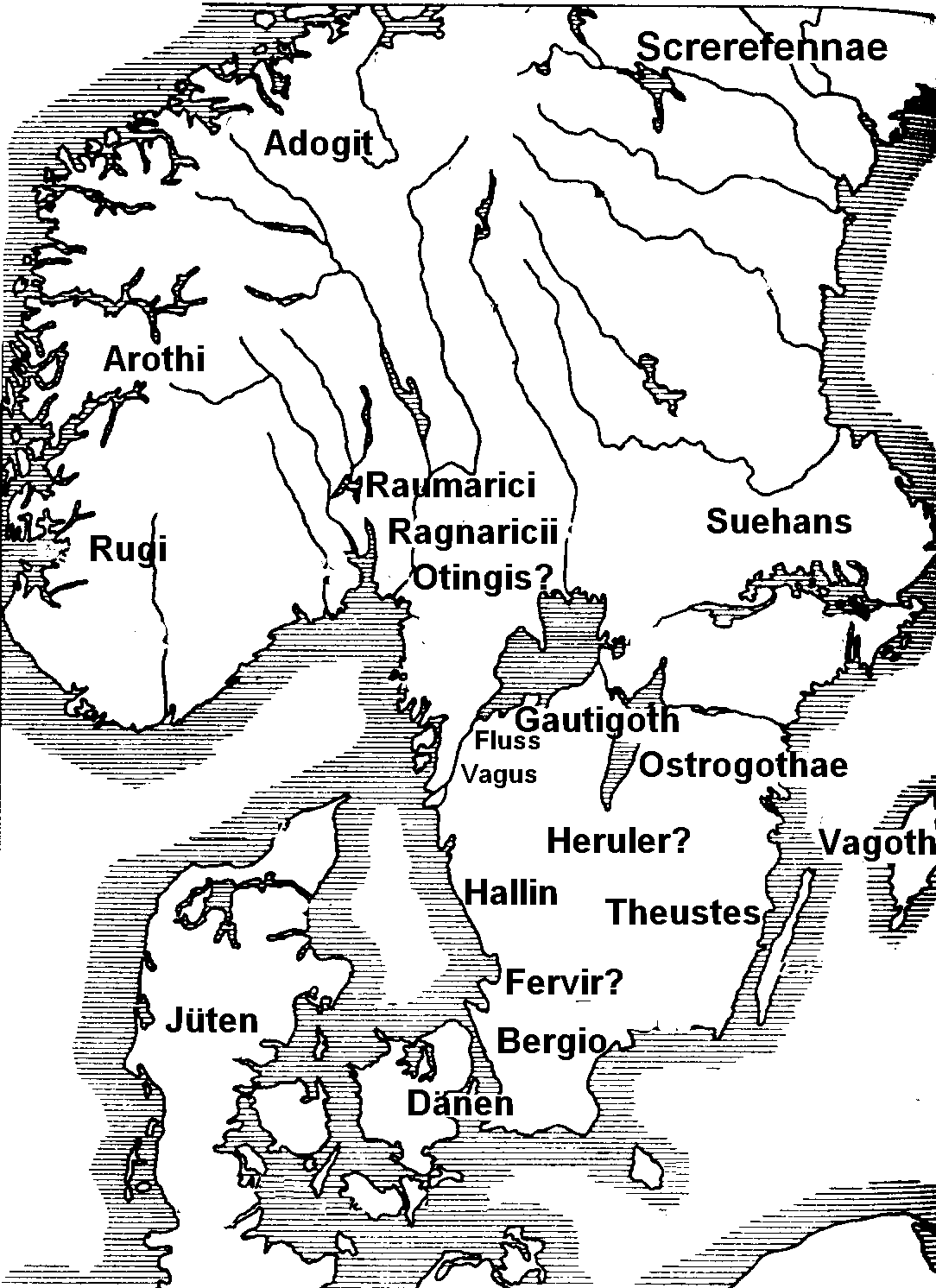
🇸🇪 Sweden and 6 moreNorth Germanic tribe who founded Denmark and shaped the Viking Age
Historical, North Germanic
Danes
🇸🇪 Sweden and 6 moreNorth Germanic tribe who founded Denmark and shaped the Viking Age
Historical, North Germanic
 SkoltsSäʹmmla / Nuõrttsääʹm
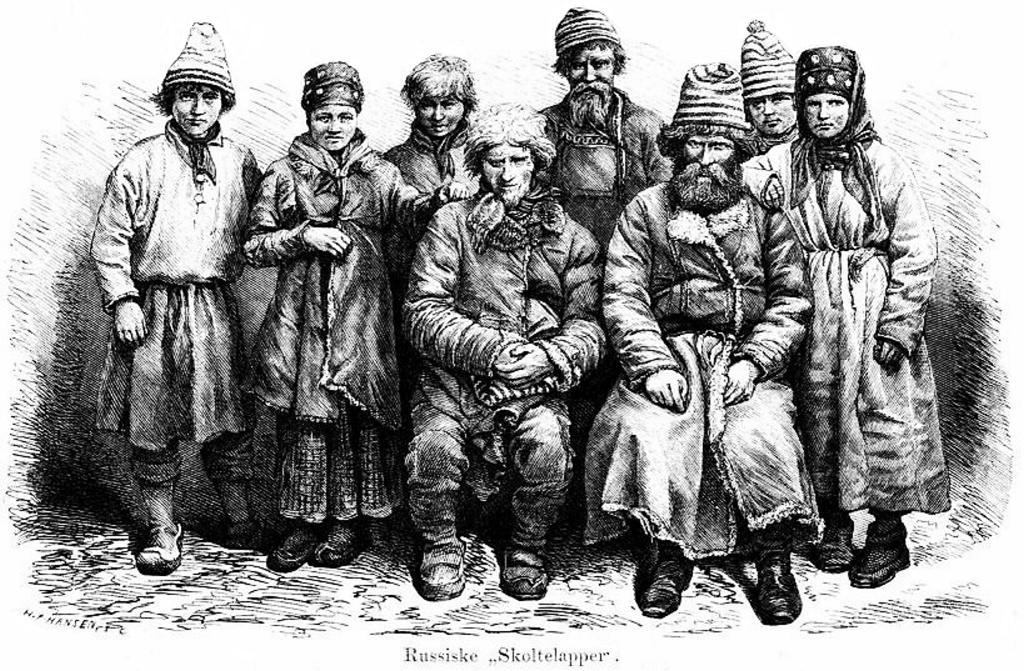
🇫🇮 Finland and 2 moreIndigenous Sámi of the borderlands of Finland, Russia, and Norway
About 1,000, Uralic
SkoltsSäʹmmla / Nuõrttsääʹm
🇫🇮 Finland and 2 moreIndigenous Sámi of the borderlands of Finland, Russia, and Norway
About 1,000, Uralic
 Lule Sámijulevsáme
🇸🇪 Sweden and 1 moreSámi group of northern Sweden and Norway, named for the Lule River
Lule Sámijulevsáme
🇸🇪 Sweden and 1 moreSámi group of northern Sweden and Norway, named for the Lule River