
Magi
Priestly caste of Zoroastrianism with ancient roots in Iran
The Magi are the priestly caste of Zoroastrianism, historically found in Iran and regions influenced by ancient Iranian culture. They are known for their religious roles, rituals, and esoteric knowledge, and have been referenced in Greek, Roman, Jewish, and Christian traditions. Today, hereditary Zoroastrian priests continue in India and Iran.
- Magi are the hereditary priestly caste of Zoroastrianism.
- They originated in ancient Iran and are still present in Iran and India.
- Greek and Roman sources linked Magi to astrology and esoteric knowledge.
- The Magi are mentioned in the Christian Gospel of Matthew as 'wise men from the East'.
Who are the Magi?
The Magi are the traditional priestly caste of Zoroastrianism, one of the world’s oldest living religions. They have served as religious leaders, ritual specialists, and keepers of sacred knowledge in Iranian societies since at least the 6th century BC. Their identity is rooted in their hereditary role, religious duties, and the transmission of ritual and doctrine. The Magi have been recognized both as a distinct tribe in ancient sources and as a sacerdotal class, and their influence has extended into literature, philosophy, and the religious imagination of neighboring cultures.
Where do the Magi live?
The Magi originated in the Iranian plateau, a region of mountains, deserts, and fertile valleys stretching across present-day Iran and into parts of West and Central Asia. Over time, their presence and influence spread to areas such as Asia Minor, Mesopotamia, and, through Zoroastrian diaspora, into India. Today, hereditary Zoroastrian priests can still be found in Iran and among the Parsi community in India.
How is Magi society organised?
The Magi form a hereditary priestly class within Zoroastrian society. Traditionally, priestly roles such as Herbad, Mobad, and Dastur are passed down through families, with each rank carrying specific ritual and leadership responsibilities. The Magi have historically been responsible for conducting religious ceremonies, maintaining sacred fires, and interpreting religious law. Their authority is based on lineage, religious training, and mastery of ritual, and they have often played advisory roles to rulers and communities.
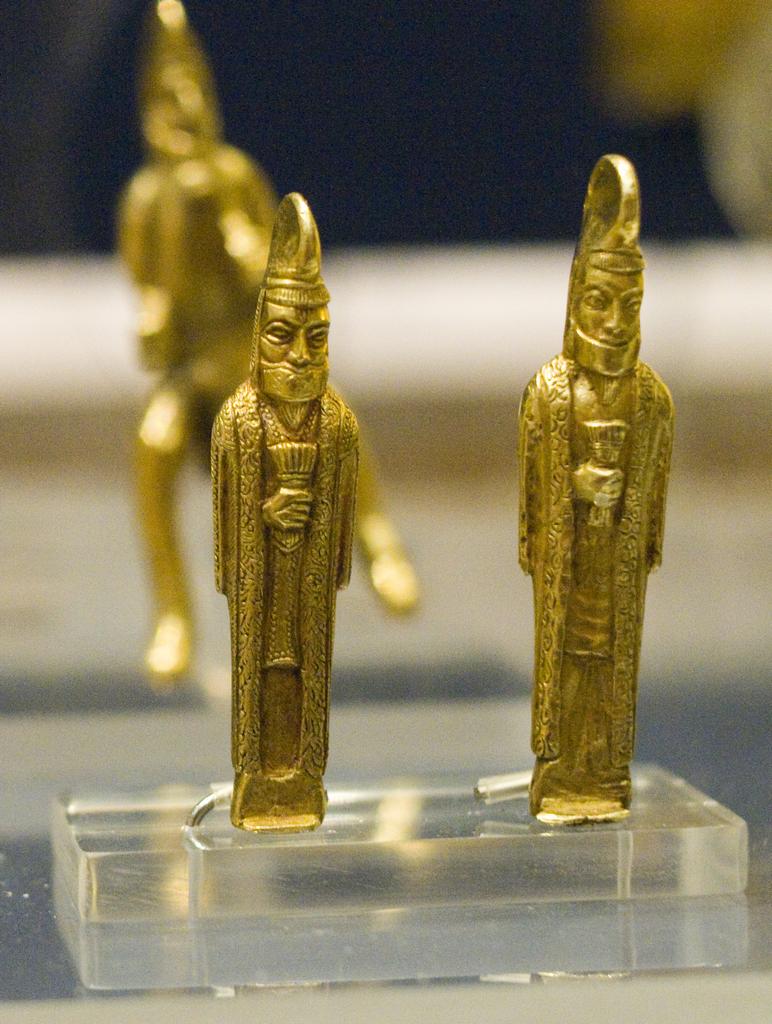


What do the Magi believe?
The Magi practice Zoroastrianism, a faith centered on the teachings of the prophet Zoroaster. Their rituals involve the maintenance of sacred fires, recitation of prayers from the Avesta (the Zoroastrian scriptures), and observance of purity laws. The Magi are also associated in historical sources with esoteric knowledge, astronomy, and the interpretation of omens. Their religious dress and ritual implements distinguish them within their communities.
The history of the Magi
The earliest references to the Magi appear in Old Persian inscriptions and Greek texts from the 6th and 5th centuries BC. Herodotus describes them as both a tribe of the Medes and a priestly caste. Over time, the Magi became known in the wider Mediterranean world, where their name became associated with magic, astrology, and wisdom. In Christian tradition, the Magi are remembered as the 'wise men from the East' who visited the infant Jesus. Despite changing perceptions, the Magi continued their priestly functions through successive Iranian empires and into the present among Zoroastrian communities.
Magi life today
Today, hereditary Zoroastrian priests—descendants of the Magi—continue to serve in Iran and India. Their numbers are small, reflecting the overall decline of Zoroastrian communities. The Magi maintain religious traditions, conduct ceremonies, and serve as cultural leaders. They face challenges from assimilation, migration, and the pressures on minority religions, but their role remains central to Zoroastrian identity.
Questions people ask about the Magi
Who are the Magi?
The Magi are the hereditary priestly caste of Zoroastrianism, responsible for religious rituals and leadership in Iranian societies since ancient times.
Where do the Magi live?
Historically, the Magi lived in Iran and regions influenced by ancient Iranian culture. Today, hereditary Zoroastrian priests are found in Iran and India.
What religion do the Magi follow?
The Magi practice Zoroastrianism, an ancient religion based on the teachings of the prophet Zoroaster.
Are the Magi still present today?
Yes, hereditary Zoroastrian priests—descendants of the Magi—continue to serve in Iran and among the Parsi community in India.
Sources and further reading
This page was written with AI assistance from the sources above and checked automatically before publishing. It may contain mistakes, and it is no substitute for hearing from the Magi themselves. If something is wrong, tell us. Last refreshed 2026-10-02.
Neighbours in Iran
All peoples of Iran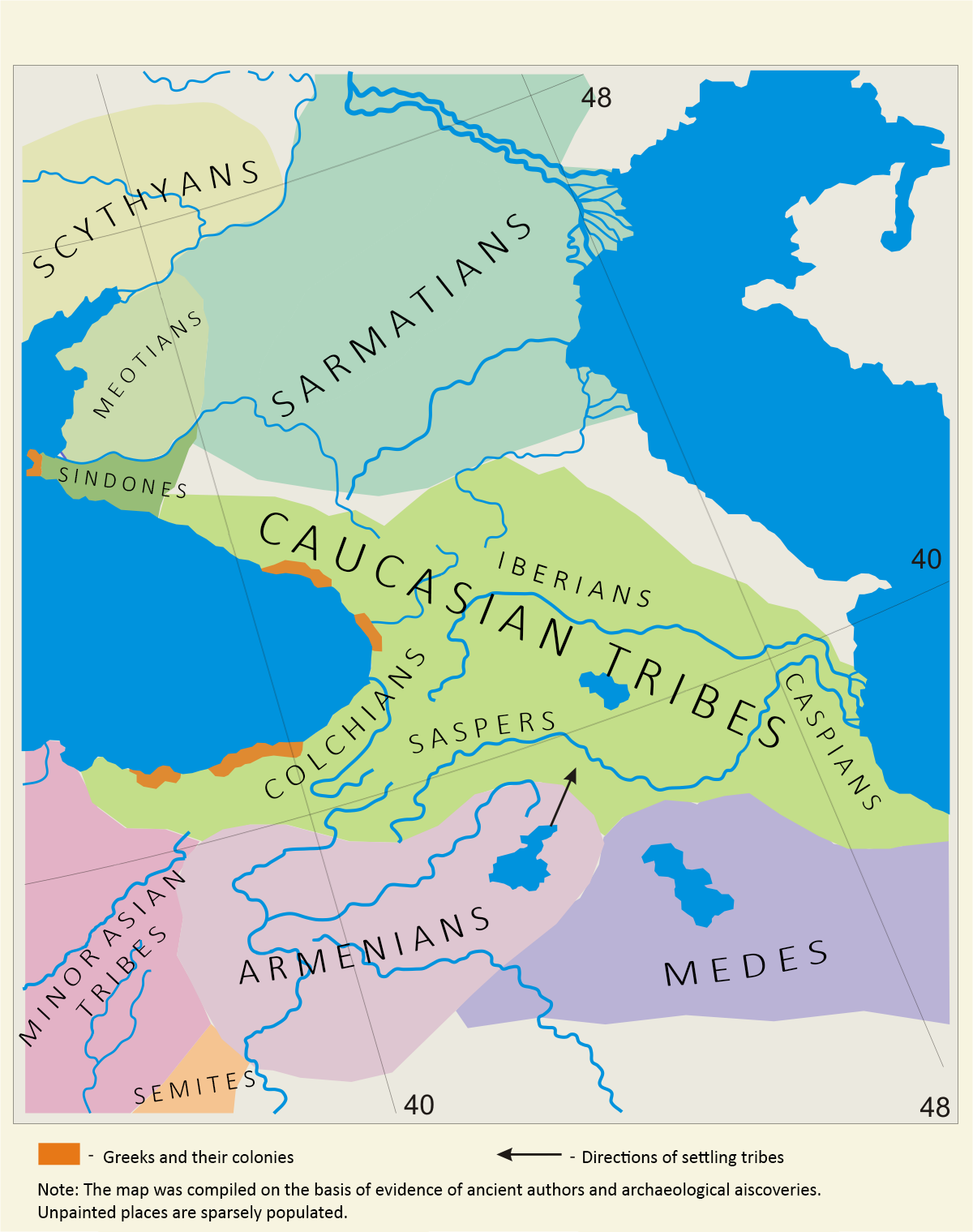 Caspians
🇦🇿 Azerbaijan and 1 moreAncient people of the southwestern Caspian Sea region
Historical
Caspians
🇦🇿 Azerbaijan and 1 moreAncient people of the southwestern Caspian Sea region
Historical
 Alchon Huns
🇮🇳 India and 3 moreNomadic conquerors of Central Asia and northern India in late antiquity
Historical
Alchon Huns
🇮🇳 India and 3 moreNomadic conquerors of Central Asia and northern India in late antiquity
Historical
 Al Qasimi
🇦🇪 United Arab Emirates and 3 moreArab tribe and dynasty ruling Sharjah and Ras Al Khaimah in the UAE
Shekak
🇮🇷 Iran and 2 moreA Kurdish tribe of West Azerbaijan and surrounding regions
Al Qasimi
🇦🇪 United Arab Emirates and 3 moreArab tribe and dynasty ruling Sharjah and Ras Al Khaimah in the UAE
Shekak
🇮🇷 Iran and 2 moreA Kurdish tribe of West Azerbaijan and surrounding regions