
Ngāti Kurī
Māori iwi of the far north of New Zealand, with deep ties to Cape Reinga
Ngāti Kurī are a Māori iwi (tribe) based in the far north of New Zealand’s North Island, including Cape Reinga, the Kermadec and Three Kings Islands. As of 2013, 6,492 people are affiliated with the iwi. They are known for their ancestral connection to the Kurahaupō canoe and for their role in Treaty of Waitangi settlement processes.
Who are the Ngāti Kurī?
Ngāti Kurī are one of the five Muriwhenua iwi of the far north of New Zealand’s North Island. Their identity is shaped by shared ancestry, tracing whakapapa (genealogy) to Pōhurihanga, captain of the Kurahaupō waka (canoe). The iwi’s rohe (tribal area) includes Cape Reinga, the Kermadec and Three Kings Islands, Ninety Mile Beach, Parengarenga Harbour, Te Kao, and Houhora. Community life centers on marae (meeting places) such as Te Reo Mihi at Te Hāpua and Waiora at Ngataki. The iwi maintain strong connections to their land, history, and each other.
Where do the Ngāti Kurī live?
Ngāti Kurī’s homeland stretches across the far northern tip of New Zealand’s North Island. This includes iconic places like Cape Reinga / Te Rerenga Wairua, a site of spiritual importance, as well as the Kermadec and Manawatāwhi / Three Kings Islands. The region is known for its rugged coastlines, sandy beaches such as Ninety Mile Beach, and harbours like Parengarenga and Houhora. Many iwi members live in Northland and Auckland, but the heart of Ngāti Kurī remains in these northern lands.
What language do the Ngāti Kurī speak?
Ngāti Kurī speak Māori, the Indigenous language of Aotearoa New Zealand. As of 2013, 28.5% of iwi members could hold a conversation in Māori. The language is a key part of cultural identity and is used in marae gatherings, ceremonies, and iwi radio broadcasts. Efforts continue to support its use among younger generations.
How is Ngāti Kurī society organised?
Ngāti Kurī society is organized around hapū (sub-tribes) and marae, which serve as centers for social and cultural life. Family and kinship ties are strong, with many members living in family households. The iwi has a young population, with a median age of 24.1 years and a significant proportion under 15. Decision-making often involves iwi organizations such as the Ngāti Kurī Trust Board, which represents the iwi in legal and resource matters. Community gatherings, ceremonies, and shared ancestry continue to bind members together.

What do the Ngāti Kurī believe?
Spiritual and cultural connections to the land are central for Ngāti Kurī, especially places like Cape Reinga, which holds deep significance in Māori tradition. Marae are important for rituals, meetings, and maintaining cultural practices. The iwi is also served by Te Reo Irirangi o Te Hiku o Te Ika, a radio station that helps promote Māori language and culture. Traditional beliefs and customs are upheld in ceremonies and daily life.
The history of the Ngāti Kurī
Ngāti Kurī trace their ancestry to Pōhurihanga and the Kurahaupō waka, anchoring their history in the earliest migrations to Aotearoa. The iwi has long occupied the northernmost regions of New Zealand. In recent history, Ngāti Kurī engaged in a 25-year process to settle Treaty of Waitangi claims, culminating in a Deed of Settlement in 2014. The settlement included financial and cultural redress, though not all members agreed with the outcome, and some protested at the signing. The iwi received recognition of their traditional associations with key sites and funds to support cultural and historical initiatives.
Ngāti Kurī life today
Today, Ngāti Kurī number over 6,400 people, with many living in Northland and Auckland. The iwi is active in managing its affairs through the Ngāti Kurī Trust Board and maintains cultural, educational, and economic initiatives. While the Treaty settlement brought resources and recognition, challenges remain in maintaining language, culture, and connections to ancestral lands. The iwi continues to advocate for its rights and future.
Questions people ask about the Ngāti Kurī
Where do the Ngāti Kurī live?
The Ngāti Kurī live in New Zealand, in the far northern tip of New Zealand's North Island, including Cape Reinga and nearby islands.
How many Ngāti Kurī people are there?
Our sources give the Ngāti Kurī population as 6,492 (2013 census). Counts of peoples vary with who is counted and when.
What language do the Ngāti Kurī speak?
The Ngāti Kurī speak Māori, which belongs to the Austronesian family of languages.
Sources and further reading
This page was written with AI assistance from the sources above and checked automatically before publishing. It may contain mistakes, and it is no substitute for hearing from the Ngāti Kurī themselves. If something is wrong, tell us. Last refreshed 2026-10-02.
Neighbours in New Zealand
All peoples of New Zealand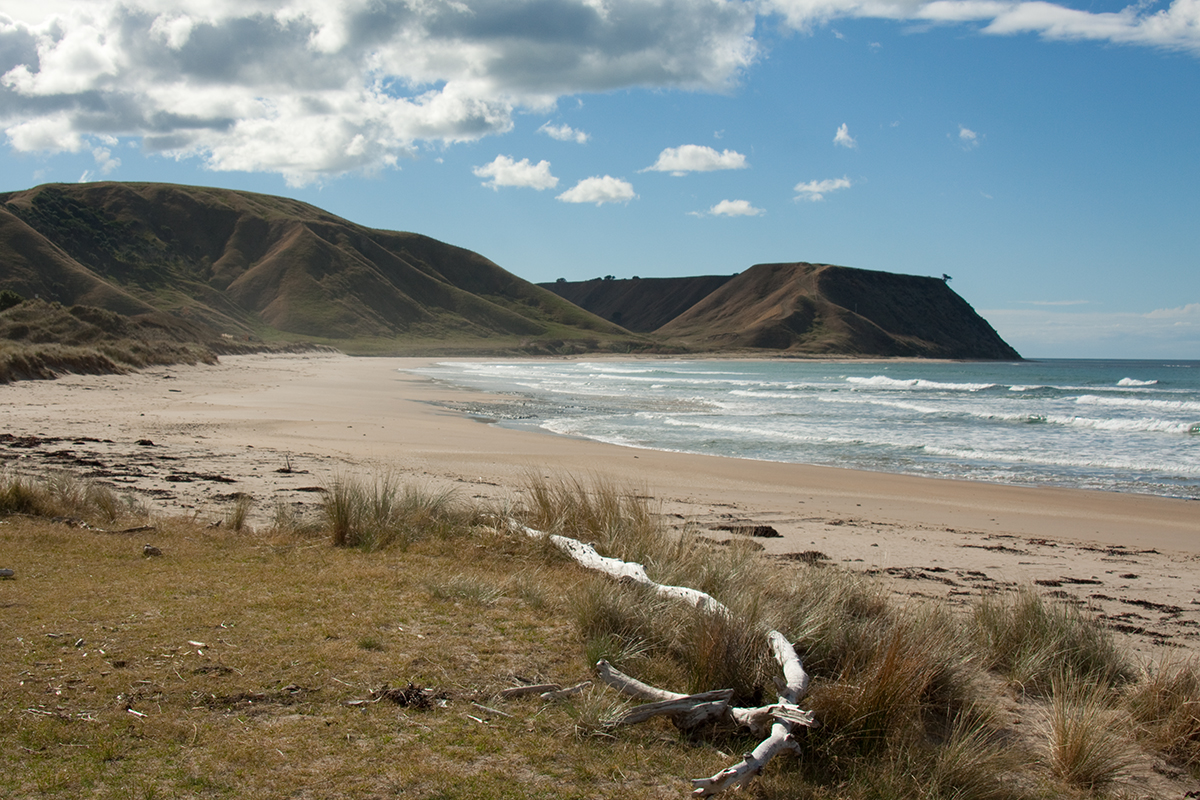 Ngāi Tahu
🇳🇿 New ZealandThe principal Māori iwi of New Zealand's South Island
About 85,000, Austronesian
Ngāi Tahu
🇳🇿 New ZealandThe principal Māori iwi of New Zealand's South Island
About 85,000, Austronesian
 Ngāpuhi
🇳🇿 New ZealandLargest Māori iwi of New Zealand's Northland region
About 184,000, Austronesian
Ngāpuhi
🇳🇿 New ZealandLargest Māori iwi of New Zealand's Northland region
About 184,000, Austronesian
 Ngāti Kahungunu
🇳🇿 New ZealandA major Māori iwi of New Zealand’s eastern North Island
About 82,000, Austronesian
Ngāti Kahungunu
🇳🇿 New ZealandA major Māori iwi of New Zealand’s eastern North Island
About 82,000, Austronesian
 Ngāti Porou
🇳🇿 New ZealandA large Māori iwi from the East Cape and Gisborne regions of New Zealand
About 102,000, Austronesian
Ngāti Porou
🇳🇿 New ZealandA large Māori iwi from the East Cape and Gisborne regions of New Zealand
About 102,000, Austronesian
Other Austronesian speakers
See them all MalaysOrang Melayu
🇲🇾 Malaysia and 4 moreAustronesian people of the Malay Peninsula, Sumatra, Borneo and nearby islands
About 30 million, Austronesian
MalaysOrang Melayu
🇲🇾 Malaysia and 4 moreAustronesian people of the Malay Peninsula, Sumatra, Borneo and nearby islands
About 30 million, Austronesian
 Minangkabaubangso Minangkabau
🇮🇩 Indonesia and 3 moreMatrilineal Muslim society from the highlands of West Sumatra
About 6.6 million, Austronesian
Minangkabaubangso Minangkabau
🇮🇩 Indonesia and 3 moreMatrilineal Muslim society from the highlands of West Sumatra
About 6.6 million, Austronesian
 Sundaneseᮅᮛᮀ ᮞᮥᮔ᮪ᮓ (Urang Sunda)
🇮🇩 Indonesia and 3 moreThe native people of western Java, Indonesia, known for their language and traditions
About 42 million, Austronesian
Sundaneseᮅᮛᮀ ᮞᮥᮔ᮪ᮓ (Urang Sunda)
🇮🇩 Indonesia and 3 moreThe native people of western Java, Indonesia, known for their language and traditions
About 42 million, Austronesian
 Balineseanak Bali
🇮🇩 IndonesiaHindu-majority people of Bali, known for art, dance, and water-temple farming
About 3.9 million, Austronesian
Balineseanak Bali
🇮🇩 IndonesiaHindu-majority people of Bali, known for art, dance, and water-temple farming
About 3.9 million, Austronesian