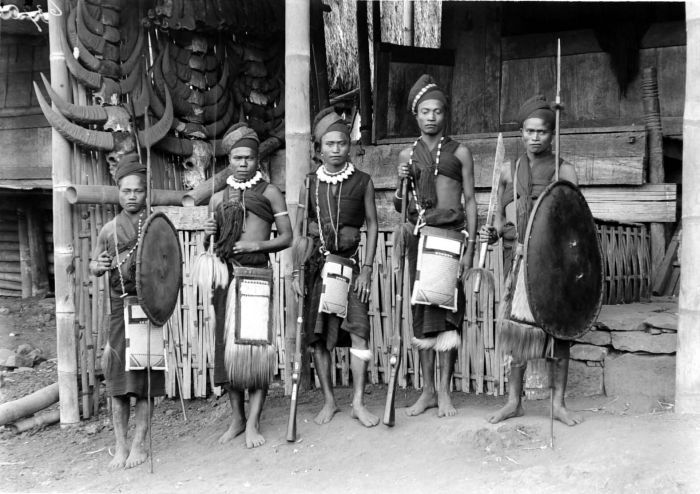
Ngada
They call themselves Ata Ngada
Matrilineal farming people of central Flores Island, Indonesia
The Ngada are an indigenous people living mainly in Ngada Regency, central Flores Island, Indonesia. Numbering around 155,000 to nearly 290,000, they speak the Ngada language and are known for their matrilineal social structure, farming, weaving, and a mix of Catholic and traditional beliefs.
Who are the Ngada?
The Ngada are an indigenous group centered in Ngada Regency, on central Flores Island in Indonesia. They are closely connected by their matrilineal family system, which means descent and inheritance are traced through the mother’s line. This sets them apart from many neighboring groups. Their identity is also shaped by their language, shared customs, and a tradition of weaving and agriculture. The Ngada see themselves as descendants of the original inhabitants of Flores, and their communities maintain a strong sense of belonging to their ancestral lands.
Where do the Ngada live?
Ngada people live mainly in Ngada Regency, a region in the central part of Flores Island. Their homeland includes both coastal and mountainous areas. The coastal Ngada have long interacted with other groups, while those in the mountains have preserved more traditional ways. The land is fertile and well-suited to agriculture, with rice fields, gardens, and patches of forest. The region borders the territories of the Manggarai to the west and the Nage to the east, with other related groups nearby.
What language do the Ngada speak?
Ngada people speak the Ngada language, which includes a range of dialects such as Namut–Nginamanu. This language belongs to the Austronesian family and is related to other Central Flores languages like Nage–Kéo and Manggarai. Indonesian is also widely spoken. There has been research and publication on the Ngada language and culture, reflecting its importance to the community.
How do the Ngada live?
Farming is the main way of life for the Ngada. They grow rice, corn, millet, beans, squash, peanuts, vegetables, and spices. Livestock farming, hunting, and gathering supplement their diet, though meat is usually reserved for special occasions. Weaving is a widespread craft, and some Ngada are skilled in metalworking. Their houses and tools reflect local materials and traditions, supporting a largely self-sufficient lifestyle.
How is Ngada society organised?
Ngada society is matrilineal, with family ties and inheritance passing through women. This influences marriage, property, and social roles. Villages are often organized around extended families, and decision-making involves elders and respected women. The matrilineal system distinguishes the Ngada from neighboring groups and shapes their identity and customs.

What do the Ngada believe?
Most Ngada today are Roman Catholic, a result of missionary influence, but traditional beliefs remain important, especially in the mountains. Some also follow Islam or Protestantism. Rituals, festivals, and ceremonies blend Catholic and ancestral practices. Weaving and crafts are part of cultural expression, and traditional dress is worn during special events. Music and dance are also important in community life.
The history of the Ngada
The Ngada are descendants of the original inhabitants of Flores Island. Over time, coastal Ngada communities have absorbed influences from Malay, Bimanese, Buginese, and Makassarese cultures through trade and contact. The arrival of Catholic missionaries in the 20th century brought religious change, but many traditional customs have endured. The Ngada have maintained their matrilineal structure despite outside influences. Their population has grown, and they remain a distinct group within the diverse ethnic landscape of Flores.
Ngada life today
Today, the Ngada number between 155,000 and nearly 290,000. Most live in Ngada Regency, with some in neighboring areas. Their language and matrilineal customs continue, though Indonesian is widely used and outside influences are strong. Catholicism is dominant, but traditional beliefs persist. The Ngada face pressures from modernization, but weaving, rituals, and family ties remain central to their identity.
Questions people ask about the Ngada
Where do the Ngada live?
The Ngada live in Indonesia, in the central Flores Island, especially Ngada Regency.
How many Ngada people are there?
Our sources give the Ngada population as about 155,000 (1975); 289,950 (Wikidata). Counts of peoples vary with who is counted and when.
What language do the Ngada speak?
The Ngada speak Ngada (including Namut–Nginamanu dialects), Indonesian, which belongs to the Austronesian family of languages.
How do the Ngada make a living?
The Ngada are known for settled farming, hunting and gathering, herding and craft and trade. Like most peoples, they combine several ways of making a living, and these have changed over time.
Sources and further reading
- Ngada people on WikipediaEncyclopedia
- Encyclopaedia BritannicaArticle
- More photos on Wikimedia CommonsPhotos
- Wikidata recordOpen data
This page was written with AI assistance from the sources above and checked automatically before publishing. It may contain mistakes, and it is no substitute for hearing from the Ngada themselves. If something is wrong, tell us. Last refreshed 2026-10-02.
Neighbours in Indonesia
All peoples of Indonesia MalaysOrang Melayu
🇲🇾 Malaysia and 4 moreAustronesian people of the Malay Peninsula, Sumatra, Borneo and nearby islands
About 30 million, Austronesian
MalaysOrang Melayu
🇲🇾 Malaysia and 4 moreAustronesian people of the Malay Peninsula, Sumatra, Borneo and nearby islands
About 30 million, Austronesian
 Minangkabaubangso Minangkabau
🇮🇩 Indonesia and 3 moreMatrilineal Muslim society from the highlands of West Sumatra
About 6.6 million, Austronesian
Minangkabaubangso Minangkabau
🇮🇩 Indonesia and 3 moreMatrilineal Muslim society from the highlands of West Sumatra
About 6.6 million, Austronesian
 Sundaneseᮅᮛᮀ ᮞᮥᮔ᮪ᮓ (Urang Sunda)
🇮🇩 Indonesia and 3 moreThe native people of western Java, Indonesia, known for their language and traditions
About 42 million, Austronesian
Sundaneseᮅᮛᮀ ᮞᮥᮔ᮪ᮓ (Urang Sunda)
🇮🇩 Indonesia and 3 moreThe native people of western Java, Indonesia, known for their language and traditions
About 42 million, Austronesian
 Balineseanak Bali
🇮🇩 IndonesiaHindu-majority people of Bali, known for art, dance, and water-temple farming
About 3.9 million, Austronesian
Balineseanak Bali
🇮🇩 IndonesiaHindu-majority people of Bali, known for art, dance, and water-temple farming
About 3.9 million, Austronesian
Other Austronesian speakers
See them all TorajaTo Raya
🇮🇩 IndonesiaHighland people of South Sulawesi known for elaborate funerals and tongkonan houses
About 1.1 million, Austronesian
TorajaTo Raya
🇮🇩 IndonesiaHighland people of South Sulawesi known for elaborate funerals and tongkonan houses
About 1.1 million, Austronesian
 Sama-BajauSama
🇵🇭 Philippines and 3 moreSeafaring Austronesian people of the southern Philippines, Borneo, and eastern Indonesia
About 1.3 million, Austronesian
Sama-BajauSama
🇵🇭 Philippines and 3 moreSeafaring Austronesian people of the southern Philippines, Borneo, and eastern Indonesia
About 1.3 million, Austronesian
 MadureseOrèng Mâdhurâ
🇮🇩 Indonesia and 2 moreCattle herders and satay makers from Madura Island and eastern Java
About 7.2 million, Austronesian
MadureseOrèng Mâdhurâ
🇮🇩 Indonesia and 2 moreCattle herders and satay makers from Madura Island and eastern Java
About 7.2 million, Austronesian
 IbanDayak Iban
🇲🇾 Malaysia and 2 moreDayak people of northwestern Borneo, known for longhouses and weaving
About 740,000, Austronesian
IbanDayak Iban
🇲🇾 Malaysia and 2 moreDayak people of northwestern Borneo, known for longhouses and weaving
About 740,000, Austronesian