
Iteso
Nilotic farmers and herders of eastern Uganda and western Kenya
The Iteso are a Nilotic people living mainly in eastern Uganda and western Kenya, especially in the Teso sub-region and Busia County. Numbering over 2.7 million, they speak Ateso and are known for their farming, cattle herding, and strong communal traditions. Their history includes migration, colonial division, and resilience through conflict and economic change.
- Mainly live in eastern Uganda and western Kenya
- Speak the Ateso language, a Nilotic tongue
- Cotton is their primary cash crop
- Ajon, a millet beer, is central to ceremonies
- Cattle play a key role in social and family life
Who are the Iteso?
The Iteso are a Nilotic ethnic group who share a common ancestry, language, and cultural traditions. Their identity is rooted in the Teso homeland, which spans eastern Uganda and parts of western Kenya. Community ties are strong, and social life centers on family, cattle, and shared rituals. The Iteso are bound together by their language, Ateso, and a history of migration, adaptation, and resilience in the face of change. Their society values unity, respect for elders, and communal decision-making.
Where do the Iteso live?
The Iteso live mainly in the Teso sub-region of eastern Uganda, including districts such as Soroti, Kumi, and Katakwi, and in Busia County in western Kenya. Their homeland is a mix of savanna, farmland, and scattered woodlands, with fertile soils suitable for growing millet, sorghum, and cotton. Rivers and seasonal wetlands support farming and cattle herding. The region has seen both prosperity and hardship, shaped by colonial borders and conflict.
What language do the Iteso speak?
Ateso is the main language spoken by the Iteso. It belongs to the Nilotic branch of the Nilo-Saharan language family. The language has absorbed influences from neighboring languages, especially Luganda in the north and Turkana in the south, due to historical contact and conquest. Ateso is widely used in daily life, alongside Swahili and English, especially in schools and official settings.
How do the Iteso live?
Traditionally, the Iteso were herders, with cattle playing a central role in their economy and social life. Today, most Iteso are farmers, growing crops such as finger millet, sorghum, cotton, and tobacco. Cotton is the main cash crop, though its importance has varied over time. Women farm and forage, while men tend cattle. Many Iteso also earn wages in towns or through trade. Their staple foods include millet, sorghum, beans, and cassava. The Iteso brew ajon, a traditional millet beer, for ceremonies and social gatherings.
How is Iteso society organised?
Iteso society is organized around extended families and clans. Cattle are important for social status and are central to marriage negotiations and rites of passage. When a son receives cattle from his father, it marks his transition to adulthood. Elders are respected, and communal decisions are made through discussion. Songs and dances teach values such as unity and respect for elders. The community gathers for rituals, ceremonies, and annual cultural events.
What do the Iteso believe?
The Iteso traditionally believe in an omnipotent god called Akuj and a god of calamity named Edeke. Ancestor spirits (eparait) are thought to influence the living, and rituals are performed to honor or appease them. Exhuming bodies after some years is meant to 'cool' the spirits. Christianity is now widespread, but traditional beliefs and rituals remain important. Music, dance, and the communal sharing of ajon are central to cultural life.
The history of the Iteso
The Iteso migrated in two waves into their present homeland, expanding their territory by the 19th century. Their expansion led to conflicts with neighbors and eventual defeat by allied groups and the British. Colonial rule split the Iteso between Uganda and Kenya, leading to different economic and political experiences. In Uganda, the Iteso suffered cattle raids, political marginalization, and a violent insurgency in the late 20th century. The conflict ended in 1992, but the region remains poor and underdeveloped.
Iteso life today
Today, the Iteso number over 2.7 million, mostly in Uganda and Kenya. They continue to farm, herd, and participate in wage labor. Many feel politically and economically neglected, especially in Uganda, where poverty and distrust of the government are common. Cultural revival is seen in annual events and the preservation of language and traditions. The Iteso remain a resilient and vibrant community.
Questions people ask about the Iteso
Where do the Iteso live?
The Iteso mainly live in the Teso sub-region of eastern Uganda and in Busia County, western Kenya.
How many Iteso are there?
There are about 2.78 million Iteso, with most living in Uganda and a significant number in Kenya.
What language do the Iteso speak?
The Iteso speak Ateso, a Nilotic language, and also use Swahili and English.
What are the main economic activities of the Iteso?
The Iteso mainly farm crops like millet, sorghum, cotton, and tobacco, and also herd cattle.
What is ajon and why is it important?
Ajon is a traditional millet beer brewed by the Iteso and is important for ceremonies and social gatherings.
Sources and further reading
- Teso people on WikipediaEncyclopedia
- Encyclopaedia BritannicaArticle
- More photos on Wikimedia CommonsPhotos
- Wikidata recordOpen data
This page was written with AI assistance from the sources above and checked automatically before publishing. It may contain mistakes, and it is no substitute for hearing from the Iteso themselves. If something is wrong, tell us. Last refreshed 2026-10-02.
Neighbours in Uganda
All peoples of Uganda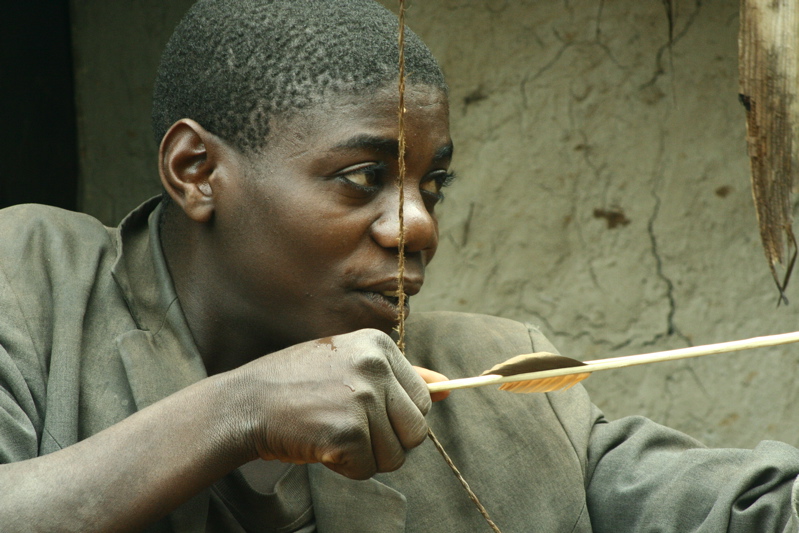 Pygmy peoples
🇨🇩 Democratic Republic of the Congo and 7 moreShort-statured hunter-gatherer groups of the Congo Basin and Central Africa
About 920,000
Pygmy peoples
🇨🇩 Democratic Republic of the Congo and 7 moreShort-statured hunter-gatherer groups of the Congo Basin and Central Africa
About 920,000
 KalenjinBiikap Kuutiit
🇰🇪 Kenya and 4 moreA cluster of Nilotic-speaking peoples of Kenya's Rift Valley and beyond
About 7.5 million, Southern Nilotic (Nilo-Saharan)
KalenjinBiikap Kuutiit
🇰🇪 Kenya and 4 moreA cluster of Nilotic-speaking peoples of Kenya's Rift Valley and beyond
About 7.5 million, Southern Nilotic (Nilo-Saharan)
 Baganda
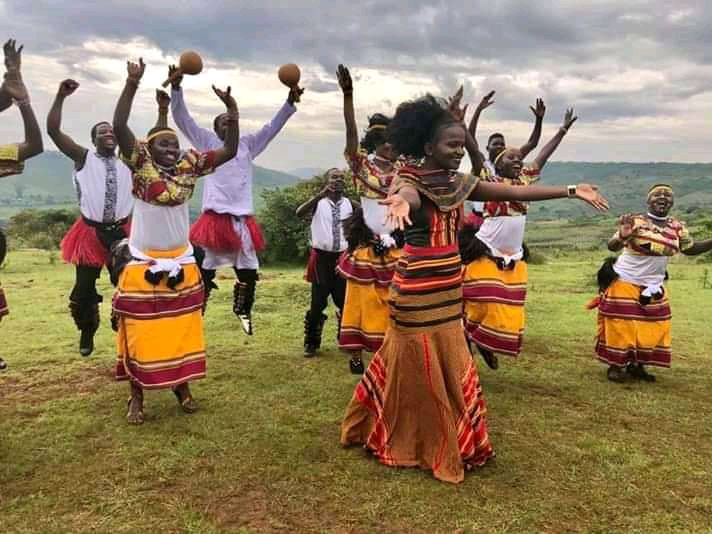
🇺🇬 UgandaLargest ethnic group of Uganda, organized by clans in the Buganda kingdom
About 7 million, Bantu
Baganda
🇺🇬 UgandaLargest ethnic group of Uganda, organized by clans in the Buganda kingdom
About 7 million, Bantu
 Lugbara
🇺🇬 Uganda and 2 moreFarmers and herders of Uganda and the Congo, known for guineafowl and rich traditions
About 2.1 million, Central Sudanic
Lugbara
🇺🇬 Uganda and 2 moreFarmers and herders of Uganda and the Congo, known for guineafowl and rich traditions
About 2.1 million, Central Sudanic