
Sandia Pueblo
They call themselves Tuf Shur Tia
Tiwa-speaking Pueblo community at the foot of the Sandia Mountains, New Mexico
Sandia Pueblo, or Tuf Shur Tia, is a federally recognized Tiwa Pueblo community in central New Mexico, living on a reservation near Albuquerque. Traditionally Southern Tiwa speakers, their population was 427 in the 2010 census. They are known for their deep spiritual ties to the Sandia Mountains and for operating the Sandia Casino and other enterprises.
- Live on a reservation near Albuquerque, New Mexico
- Traditionally speak Southern Tiwa, a Tanoan language
- Operate the Sandia Casino and other tribal businesses
- Celebrate an annual feast day for St. Anthony on June 13
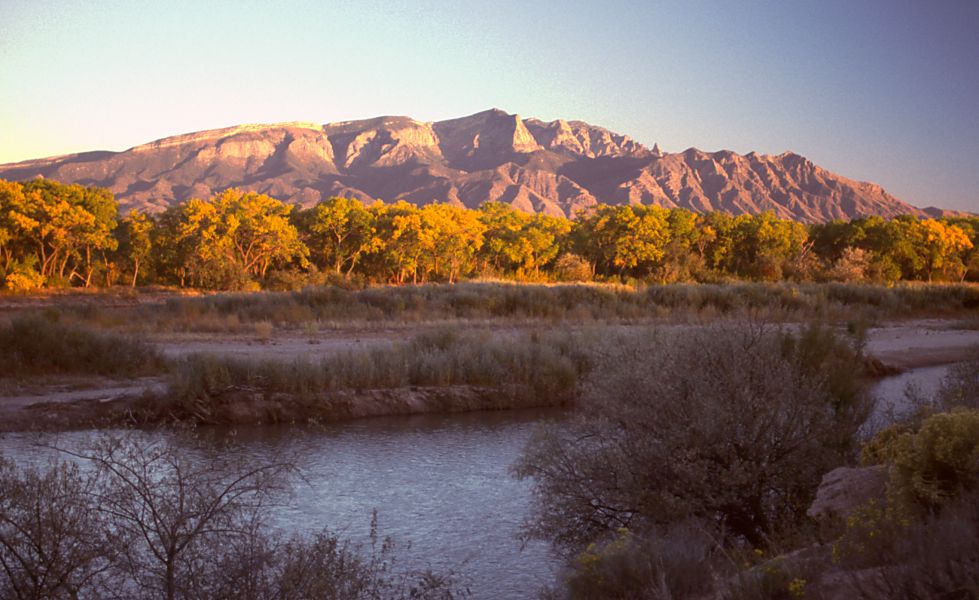
- The Sandia Mountains are sacred to the community
Who are the Sandia Pueblo?
Sandia Pueblo, known in Tiwa as Tuf Shur Tia, is one of New Mexico’s 19 Pueblo communities. The people are part of the Tiwa group and share cultural, linguistic, and spiritual ties. Their identity is rooted in their connection to the land, especially the Sandia Mountains, which are central to their beliefs and traditions. The community is held together by shared ceremonies, language, and a tribal government that oversees both cultural and economic affairs. Despite historical pressures, they have maintained a distinct identity and continue to honor their heritage.
Where do the Sandia Pueblo live?
Sandia Pueblo lies just north of Albuquerque, New Mexico, nestled at the base of the Sandia Mountains. The reservation covers about 101 square kilometers, bordered by forested areas called the bosque and the Rio Grande Rift. The mountains are sacred to the people and play a key role in their spiritual and daily life. The land provides firewood, wild game, and traditional resources, and remains a focal point for community gatherings and ceremonies.
What language do the Sandia Pueblo speak?
Southern Tiwa, part of the Tanoan language family, is the traditional language of Sandia Pueblo. While older generations still speak Southern Tiwa, English is now the dominant language, often mixed with Spanish and Tiwa words. The use of Southern Tiwa has declined among younger members, but it remains important in ceremonies, music, and some daily interactions. Efforts to preserve the language continue within the community.
How do the Sandia Pueblo live?
Historically, Sandia Pueblo people farmed the fertile land near the Rio Grande, growing crops and using traditional methods. Today, many work in tribal enterprises, including the Sandia Casino, market center, and recreation area. Crafts and traditional foods, such as those baked in outdoor hornos (clay ovens), remain part of daily life. The community blends traditional practices with modern wage work, supporting both cultural continuity and economic development.
How is Sandia Pueblo society organised?
Sandia Pueblo is governed by a tribal council and traditional leaders, including a Governor, Lieutenant Governor, Warchief, and Lt. Warchief. Leadership roles are appointed annually, with some members serving for life on the council. The Warchief oversees religious activities, while the Governor manages daily operations. Family ties, clan relationships, and communal decision-making remain important, reflecting both tradition and adaptation to modern governance.


What do the Sandia Pueblo believe?
Religion at Sandia Pueblo is a blend of Roman Catholicism and traditional Pueblo spirituality. The community celebrates feast days, especially the annual fiesta for St. Anthony on June 13, which features music and dance. Many pre-Catholic beliefs and rituals are preserved, and the Sandia Mountains are central to spiritual life. Art, music, and ceremonial dress play key roles in expressing and maintaining their cultural identity.
The history of the Sandia Pueblo
Sandia Pueblo has lived at its current site since the 14th century, once comprising over 20 villages. The Spanish arrived in the 16th century, bringing tribute demands and forced labor. Sandia Pueblo joined the 1680 Pueblo Revolt against Spanish rule, but suffered reprisals and population loss. The community rebuilt after attacks and raids, including a deadly Comanche raid in 1775. Under Mexican and later U.S. rule, they faced new pressures, including land disputes and forced schooling. In recent decades, the tribe has asserted land rights and developed successful enterprises.
Sandia Pueblo life today
Sandia Pueblo remains a vibrant community with several hundred members. They operate their own government, businesses, and services, and continue to advocate for their land and cultural rights. The Sandia Casino and other ventures provide economic support. While language and traditions face challenges, the people maintain strong ties to their homeland and heritage, and continue to celebrate their identity in modern New Mexico.
Questions people ask about the Sandia Pueblo
Where do the Sandia Pueblo people live?
Sandia Pueblo is located just north of Albuquerque, in central New Mexico, on a reservation at the base of the Sandia Mountains.
How many Sandia Pueblo people are there?
According to the 2010 census, there were 427 Sandia Pueblo people living on the reservation.
What language do Sandia Pueblo people speak?
They traditionally speak Southern Tiwa, a Tanoan language, but English and Spanish are also commonly used today.
What is the main religion of Sandia Pueblo?
Sandia Pueblo practices a blend of Roman Catholicism and traditional Pueblo spiritual beliefs, with ceremonies and feast days.
What are Sandia Pueblo people known for?
They are known for their deep spiritual connection to the Sandia Mountains, their annual St. Anthony feast, and operating the Sandia Casino and other enterprises.
Sources and further reading
- Sandia Pueblo on WikipediaEncyclopedia
- Official websiteOfficial site
- More photos on Wikimedia CommonsPhotos
- Wikidata recordOpen data
This page was written with AI assistance from the sources above and checked automatically before publishing. It may contain mistakes, and it is no substitute for hearing from the Sandia Pueblo themselves. If something is wrong, tell us. Last refreshed 2026-10-02.
Neighbours in the United States
All peoples of the United States KiowaǤáuigú
🇺🇸 United StatesHorse-centered Plains nation of southwestern Oklahoma
About 12,000, Tanoan
KiowaǤáuigú
🇺🇸 United StatesHorse-centered Plains nation of southwestern Oklahoma
About 12,000, Tanoan
 Jemez PuebloWalatowa
🇺🇸 United StatesPueblo people of northern New Mexico, known for running and Towa language
About 2,000, Tanoan
Jemez PuebloWalatowa
🇺🇸 United StatesPueblo people of northern New Mexico, known for running and Towa language
About 2,000, Tanoan
 PojoaquePʼohsu̧wä̧geh Ówîngeh
🇺🇸 United StatesA Tewa-speaking Pueblo community in northern New Mexico
About 2,000, Tanoan
PojoaquePʼohsu̧wä̧geh Ówîngeh
🇺🇸 United StatesA Tewa-speaking Pueblo community in northern New Mexico
About 2,000, Tanoan
 TesuqueTeˀtsʼúgéh Ówîngeh
🇺🇸 United StatesA Tewa-speaking Pueblo community near Santa Fe, New Mexico
About 800, Tanoan
TesuqueTeˀtsʼúgéh Ówîngeh
🇺🇸 United StatesA Tewa-speaking Pueblo community near Santa Fe, New Mexico
About 800, Tanoan
