
Rashaida
Nomadic camel herders of the Red Sea coastal plains in Sudan and Eritrea
The Rashaida are a Bedouin group living mainly along the Red Sea coastal plains from eastern Sudan to Eritrea, numbering between 130,000 and 180,000. Descended from Arab tribes who migrated from the Arabian Peninsula in the 19th century, they are known for their nomadic lifestyle, camel herding, and distinctive dress.
Who are the Rashaida?
The Rashaida are a Bedouin people who trace their ancestry to Arab tribes from the Hejaz and Najd regions of Arabia. They migrated to the Red Sea coastal plains in the mid-19th century, settling between present-day Sudan and Eritrea. Their identity is shaped by a strong sense of lineage, traditional customs, and a nomadic way of life centered on camel herding. The Rashaida maintain distinct dress, language, and social practices, and are known for preserving their Arab heritage and Sunni Muslim faith.
Where do the Rashaida live?
The Rashaida live along the Red Sea coastal plains, stretching from Port Sudan in eastern Sudan to Massawa in Eritrea. This region is characterized by arid and semi-arid landscapes, with seasonal rainfall patterns that shape the migratory routes of pastoral groups. The land supports camel and livestock herding, and the Rashaida move between grazing areas and water sources according to the seasons. Some have settled further inland due to competition and environmental pressures.
What language do the Rashaida speak?
The Rashaida speak varieties of Arabic, mainly Hejazi Arabic and Sudanese Arabic, reflecting their origins in the Arabian Peninsula. Their language is a key marker of identity and is used in daily life and cultural practices. Arabic remains vital among the Rashaida, helping maintain connections with their heritage and with other Arabic-speaking communities.
How do the Rashaida live?
Camel herding is central to Rashaida life, providing milk, meat, and income from trading and racing camels. They follow seasonal migration patterns to find pasture and water, adjusting their movements to the climate. Some Rashaida also engage in farming and wage work, especially in settled areas. Their homes are traditionally tents made from animal hair, though some now live in huts or adobe houses. Women craft and sell silver jewelry, contributing to the household economy.
How is Rashaida society organised?
Rashaida society is organized around extended families and strong lineage ties. Marriages are usually arranged, with dowries paid in cash and camels. The community values ethnic purity and discourages marriage outside the group. Social life is marked by hospitality rituals and elaborate wedding ceremonies, with strict customs around veiling and gender roles. Decision-making often involves elders and family heads.

What do the Rashaida believe?
The Rashaida practice Sunni Islam, which shapes their daily life and rituals. Women wear distinctive veils from a young age, seen as a mark of beauty and identity. Traditional dress features bold patterns and silver jewelry. Weddings are major events, lasting seven days and involving music, dance, and camel racing. Hospitality is highly valued, with set rituals for welcoming guests.
The history of the Rashaida
The Rashaida migrated from the Hejaz and Najd regions of Arabia in the mid-19th century, fleeing political changes as the Saudis rose to power. They settled along the Red Sea coast, moving freely across what is now the Sudan-Eritrea border. Over time, they faced pressures from colonial authorities, local conflicts, and environmental challenges. Their history includes periods of migration to escape violence or economic hardship, and they have maintained their distinct identity despite these changes.
Rashaida life today
Today, the Rashaida number between 130,000 and 180,000, mainly in Eritrea and Sudan. Many continue a nomadic or semi-nomadic life, though some have settled. They face pressures from drought, competition for land, and changing economic conditions. Despite challenges, the Rashaida maintain their language, customs, and social structures, and remain a visible part of the region’s cultural landscape.
Questions people ask about the Rashaida
Where do the Rashaida live?
The Rashaida live in Eritrea, Egypt and Sudan, in the Red Sea coastal plains from Port Sudan to Massawa.
How many Rashaida people are there?
Our sources give the Rashaida population as 130,000–180,000; 60,000–80,000 in Eritrea, 68,000 in Sudan. Counts of peoples vary with who is counted and when.
What language do the Rashaida speak?
The Rashaida speak Hejazi Arabic, Sudanese Arabic, which belongs to the Afro-Asiatic family of languages.
How do the Rashaida make a living?
The Rashaida are known for herding, settled farming and towns and wage work. Like most peoples, they combine several ways of making a living, and these have changed over time.
Sources and further reading
This page was written with AI assistance from the sources above and checked automatically before publishing. It may contain mistakes, and it is no substitute for hearing from the Rashaida themselves. If something is wrong, tell us. Last refreshed 2026-10-02.
Neighbours in Eritrea
All peoples of Eritrea HausaHausawa
🇳🇬 Nigeria and 20 moreA major West African people of the Sahel and savanna, known for trade and Islamic heritage
About 86 million, Afro-Asiatic
HausaHausawa
🇳🇬 Nigeria and 20 moreA major West African people of the Sahel and savanna, known for trade and Islamic heritage
About 86 million, Afro-Asiatic
 FulaniFulɓe
🇳🇬 Nigeria and 21 moreCattle herders and farmers spread across West and Central Africa
About 39 million, Atlantic-Congo (Niger-Congo)
FulaniFulɓe
🇳🇬 Nigeria and 21 moreCattle herders and farmers spread across West and Central Africa
About 39 million, Atlantic-Congo (Niger-Congo)
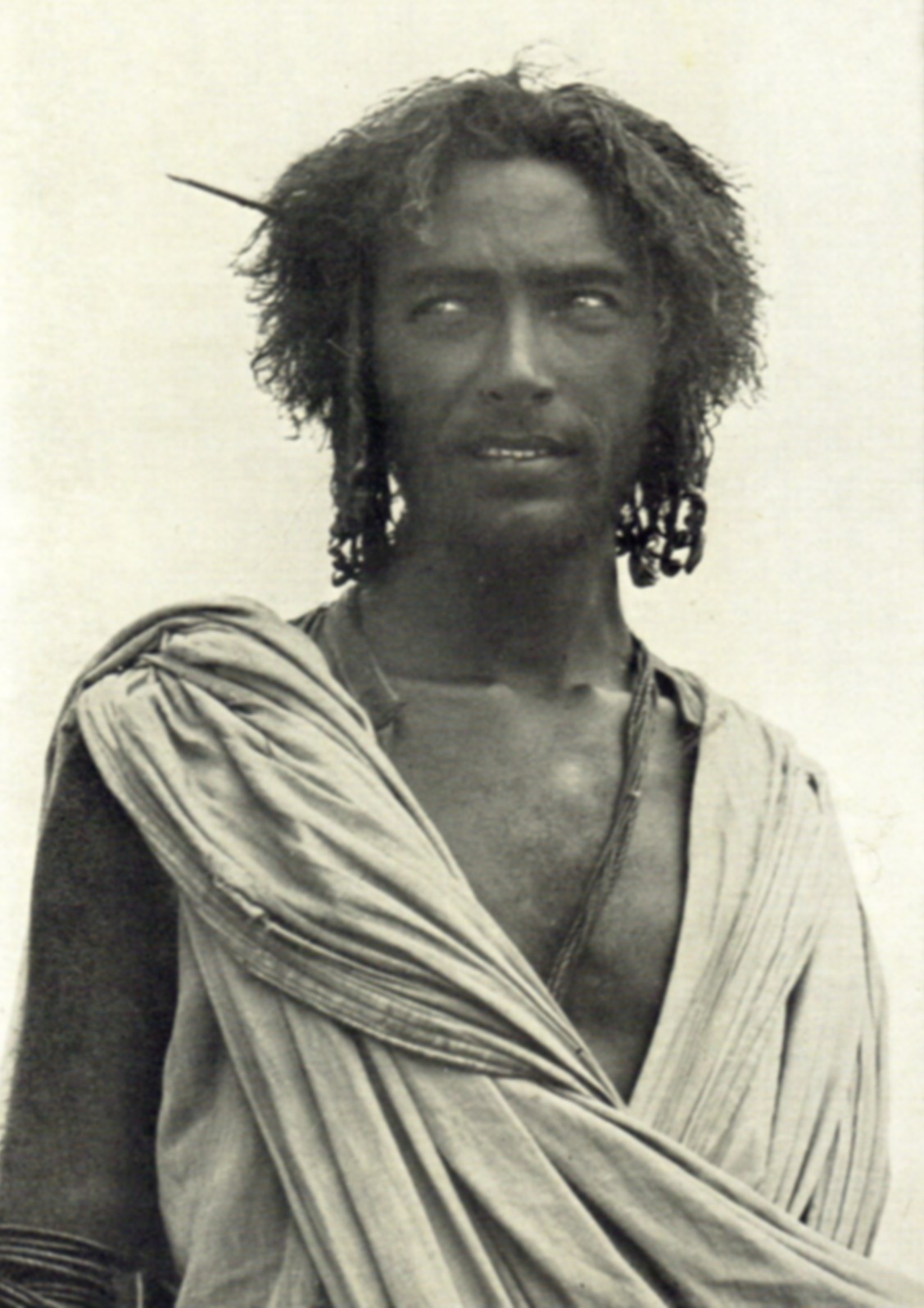 AfarQafár
🇪🇹 Ethiopia and 2 moreNomadic herders of the Horn of Africa's deserts and coasts
About 3.4 million, Afroasiatic, Cushitic
AfarQafár
🇪🇹 Ethiopia and 2 moreNomadic herders of the Horn of Africa's deserts and coasts
About 3.4 million, Afroasiatic, Cushitic
 Sabaeans
🇾🇪 Yemen and 2 moreAncient South Arabian people of the kingdom of Sheba in Yemen
Historical, Old South Arabian
Sabaeans
🇾🇪 Yemen and 2 moreAncient South Arabian people of the kingdom of Sheba in Yemen
Historical, Old South Arabian
Other Afro-Asiatic speakers
See them all Quraysh
🇸🇦 Saudi ArabiaMerchant Arab tribe of Mecca, central in early Islamic history
Afro-Asiatic
Quraysh
🇸🇦 Saudi ArabiaMerchant Arab tribe of Mecca, central in early Islamic history
Afro-Asiatic
 Bedouinبدو
🇸🇦 Saudi Arabia and 15 moreNomadic and semi-nomadic Arab tribes of deserts from Arabia to North Africa
About 22 million, Afro-Asiatic
Bedouinبدو
🇸🇦 Saudi Arabia and 15 moreNomadic and semi-nomadic Arab tribes of deserts from Arabia to North Africa
About 22 million, Afro-Asiatic
 Abbasidsالعباسيون
🇮🇶 Iraq and 3 moreArab dynasty that ruled the Abbasid Caliphate from 750 to 1258
Historical, Afro-Asiatic
Abbasidsالعباسيون
🇮🇶 Iraq and 3 moreArab dynasty that ruled the Abbasid Caliphate from 750 to 1258
Historical, Afro-Asiatic
 Tribe of Judahשֵׁבֶט יְהוּדָה (Shevet Yehudah)
🇮🇱 Israel and 2 moreA leading tribe of ancient Israel, centered in southern Judea
Historical, Afro-Asiatic
Tribe of Judahשֵׁבֶט יְהוּדָה (Shevet Yehudah)
🇮🇱 Israel and 2 moreA leading tribe of ancient Israel, centered in southern Judea
Historical, Afro-Asiatic