
Isleta Pueblo
They call themselves Shiewhibak
A Southern Tiwa pueblo in New Mexico's Middle Rio Grande Valley
Isleta Pueblo, known in Southern Tiwa as Shiewhibak, is a federally recognized tribe in New Mexico, United States. Most residents are Southern Tiwa people, and the pueblo lies 13 miles south of Albuquerque in the Middle Rio Grande Valley. The community is known for its matrilineal society, traditional farming, and the historic San Agustín Mission.
- Isleta Pueblo is a federally recognized Southern Tiwa community.
- The pueblo is located 13 miles south of Albuquerque, New Mexico.
- Traditional farming uses irrigation from the Rio Grande.
- The San Agustín Mission Church dates to 1613.
- Isleta Pueblo recently expanded its land by 90,151 acres.
Who are the Isleta Pueblo?
Isleta Pueblo is a community of Southern Tiwa people, recognized as a sovereign tribe by the United States. Their identity is rooted in their language, matrilineal kinship, and traditional practices. The pueblo has existed since at least the 14th century and maintains a distinct social and cultural life. Community ties are reinforced through shared ceremonies, governance, and the preservation of their ancestral lands. The people of Isleta Pueblo value both their heritage and their ongoing adaptation to modern life, balancing tradition with new opportunities.
Where do the Isleta Pueblo live?
Isleta Pueblo is located in the Middle Rio Grande Valley, about 13 miles south of Albuquerque, New Mexico. The pueblo sits on a knife-shaped lava flow across an ancient channel of the Rio Grande. Their land base has expanded in recent years, now including over 211,000 acres after a major land recovery effort. The landscape is a mix of river valley, farmland, and ranchland, supporting both traditional agriculture and modern enterprises. The area is also home to historic buildings, including the San Agustín Mission Church.
What language do the Isleta Pueblo speak?
The people of Isleta Pueblo traditionally speak Isletan Tiwa, a Southern Tiwa language in the Tanoan family. Efforts are underway to revitalize the language, including teaching Tiwa to children at the local elementary school. The language is central to cultural identity and is used in ceremonies and daily life. English is also widely spoken.
How do the Isleta Pueblo live?
Historically, Isleta Pueblo people practiced irrigated farming, growing maize, beans, and squash. Today, many still farm, but the economy also includes cattle ranching, crafts, and wage work. The tribe operates the Isleta Resort Casino, a golf course, and a recreational complex, providing jobs and revenue. Traditional crafts and ceremonies remain important. Houses are built in the Pueblo style, and the community manages its own land and resources.
How is Isleta Pueblo society organised?
Isleta Pueblo has a matrilineal kinship system, with descent and inheritance traced through the mother. Children belong to their mother's clan or corn group, which shapes their identity and social status. Marriages are endogamous, usually within the community. The society is organized into moieties, each associated with different ceremonial roles and seasons. Decision-making is democratic, with elected leaders and a tribal council, but traditional roles and elders still hold respect.


What do the Isleta Pueblo believe?
Religious life at Isleta Pueblo blends traditional beliefs with Catholicism. The kiva is a sacred space for rituals, and the kachina religion is central, involving masked dances and carved dolls representing spiritual beings. The San Agustín Mission Church, built in 1613, is a focal point for Catholic ceremonies. Art, music, and dance play key roles in both religious and social life, reflecting centuries of cultural continuity.
The history of the Isleta Pueblo
Isleta Pueblo was established around the 14th century. Spanish colonists arrived in the late 1500s, building the San Agustín Mission in 1613. The Pueblo Revolt of 1680 led to temporary displacement, but the people returned, some with Hopi spouses. In the 19th and 20th centuries, the community faced land loss and legal battles to affirm their rights. Leaders like Pablo Abeita advocated for land and political recognition. In recent decades, the Pueblo has regained significant land and strengthened self-government, preserving both tradition and autonomy.
Isleta Pueblo life today
Isleta Pueblo is home to about 2,484 people. The tribe is federally recognized and manages its own affairs, including schools and businesses. Recent land acquisitions have expanded their territory. The community continues to revitalize its language and traditions while participating in the broader economy. Challenges remain, but Isleta Pueblo maintains a strong sense of identity and self-determination.
Questions people ask about the Isleta Pueblo
Where is Isleta Pueblo located?
Isleta Pueblo is in the Middle Rio Grande Valley, about 13 miles south of Albuquerque, New Mexico, United States.
How many people live in Isleta Pueblo?
According to recent data, Isleta Pueblo has a population of about 2,484 people.
What language do the people of Isleta Pueblo speak?
The traditional language is Isletan Tiwa, a Southern Tiwa language in the Tanoan family. English is also spoken.
What is the main religion in Isleta Pueblo?
Isleta Pueblo practices a blend of traditional kachina religion and Catholicism, with ceremonies held in both the kiva and the historic San Agustín Mission Church.
What are some traditional ways of making a living in Isleta Pueblo?
Historically, the people farmed using irrigation, raising maize, beans, and squash. Today, they also ranch cattle and operate businesses like a casino and golf course.
Sources and further reading
- Pueblo of Isleta on WikipediaEncyclopedia
- Official websiteOfficial site
- More photos on Wikimedia CommonsPhotos
- Wikidata recordOpen data
This page was written with AI assistance from the sources above and checked automatically before publishing. It may contain mistakes, and it is no substitute for hearing from the Isleta Pueblo themselves. If something is wrong, tell us. Last refreshed 2026-10-02.
Neighbours in the United States
All peoples of the United States KiowaǤáuigú
🇺🇸 United StatesHorse-centered Plains nation of southwestern Oklahoma
About 12,000, Tanoan
KiowaǤáuigú
🇺🇸 United StatesHorse-centered Plains nation of southwestern Oklahoma
About 12,000, Tanoan
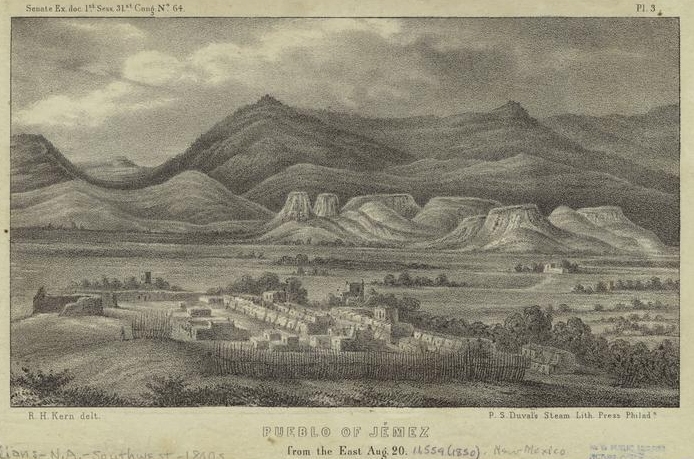 Jemez PuebloWalatowa
🇺🇸 United StatesPueblo people of northern New Mexico, known for running and Towa language
About 2,000, Tanoan
Jemez PuebloWalatowa
🇺🇸 United StatesPueblo people of northern New Mexico, known for running and Towa language
About 2,000, Tanoan
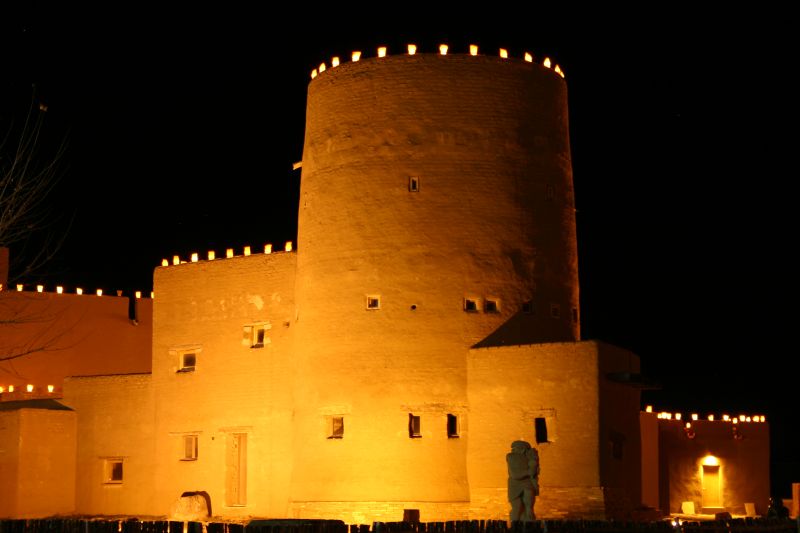 PojoaquePʼohsu̧wä̧geh Ówîngeh
🇺🇸 United StatesA Tewa-speaking Pueblo community in northern New Mexico
About 2,000, Tanoan
PojoaquePʼohsu̧wä̧geh Ówîngeh
🇺🇸 United StatesA Tewa-speaking Pueblo community in northern New Mexico
About 2,000, Tanoan
 TesuqueTeˀtsʼúgéh Ówîngeh
🇺🇸 United StatesA Tewa-speaking Pueblo community near Santa Fe, New Mexico
About 800, Tanoan
TesuqueTeˀtsʼúgéh Ówîngeh
🇺🇸 United StatesA Tewa-speaking Pueblo community near Santa Fe, New Mexico
About 800, Tanoan
