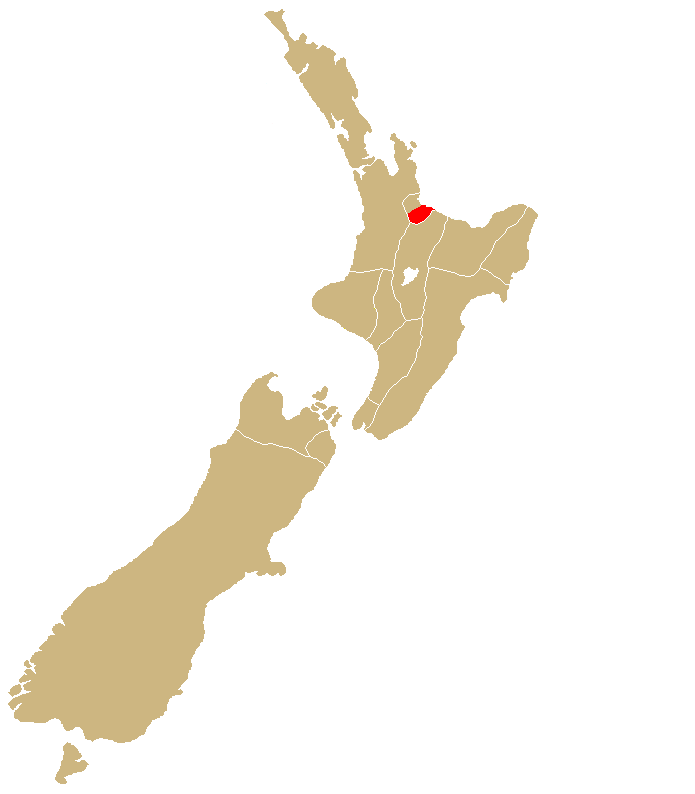
Ngāi Te Rangi
A Māori iwi of Tauranga and the Bay of Plenty, New Zealand
Ngāi Te Rangi is a Māori iwi (tribe) based in Tauranga, in the Bay of Plenty region of New Zealand. Their tribal area stretches from Mayor Island / Tūhua and Bowentown in the north to the Kaimai Range in the west, south of Te Puke and to Maketu in the east. As of 2013, the iwi numbered 12,924. They are known for their deep connection to Mauao (Mount Maunganui) and their role in the Tauranga Moana iwi group.
- Based in Tauranga, Bay of Plenty, New Zealand
- Rohe includes Mauao (Mount Maunganui), a sacred mountain
- Population was 12,924 in 2013
- Part of the Tauranga Moana iwi group
- Operates Moana Radio for the region
Who are the Ngāi Te Rangi?
Ngāi Te Rangi is a Māori iwi, or tribe, whose members trace their ancestry to the ancestor Rangihouhiri. The iwi is part of the Tauranga Moana group, alongside Ngāti Pūkenga and Ngāti Ranginui. Their identity is shaped by shared descent, history, and a strong connection to their tribal lands and sacred places, especially Mauao (Mount Maunganui). The iwi is organised into several hapū (sub-tribes), each with its own marae (meeting place) and wharenui (meeting house). These structures are central to community life and decision-making.
Where do the Ngāi Te Rangi live?
Ngāi Te Rangi's rohe, or tribal area, covers Tauranga and the Bay of Plenty on New Zealand's North Island. It extends from Mayor Island / Tūhua and Bowentown in the north, to the Kaimai Range in the west, south of Te Puke, and to Maketu in the east. The landscape includes coastal areas, islands, and fertile plains. Mauao (Mount Maunganui) is a sacred landmark for the iwi and the wider Tauranga Moana tribes.
What language do the Ngāi Te Rangi speak?
Ngāi Te Rangi people speak Māori, the Indigenous language of Aotearoa (New Zealand). Māori belongs to the Austronesian language family. The language is used in daily life, on marae, and in iwi media such as Moana Radio. Efforts to maintain and revitalise Māori language and culture are ongoing within the iwi and the wider Māori community.
How do the Ngāi Te Rangi live?
Traditionally, Ngāi Te Rangi made their living from fishing, gardening, and gathering resources from the land and sea. The coastal and island environment provided rich fishing grounds and fertile soils for growing kūmara (sweet potato) and other crops. Today, many iwi members work in a range of occupations, including farming, fisheries, and paid employment in towns and cities. The iwi also has interests in aquaculture and fisheries through its governance organisations.
How is Ngāi Te Rangi society organised?
Ngāi Te Rangi is organised into hapū, each linked to specific marae and wharenui. Family and kinship ties are central, with descent traced from common ancestors. Marriage alliances have historically played a role in peace-making and strengthening ties with neighbouring iwi. Decision-making often involves representatives from each marae. Governance is managed by trusts and committees, reflecting both traditional and contemporary structures.


What do the Ngāi Te Rangi believe?
Spiritual beliefs are closely tied to the land and ancestors. Mauao (Mount Maunganui) is considered sacred. Rituals, gatherings, and ceremonies are held at marae. Art, music, and oral history are important for passing on knowledge and values. The iwi maintains traditional practices while also participating in wider Māori and New Zealand society.
The history of the Ngāi Te Rangi
Ngāi Te Rangi trace their ancestry to Toroa, captain of the Mātaatua canoe, and to Rangihouhiri, whose leadership gave the iwi its name. Their history includes migration, conflict, and alliances with neighbouring tribes. The iwi gained control of Maketu after a series of battles and established themselves in the Bay of Plenty. In the 19th century, Ngāi Te Rangi suffered losses during the New Zealand Wars and are still seeking compensation for these events. Their history is marked by resilience and adaptation.
Ngāi Te Rangi life today
Ngāi Te Rangi has over 12,000 members. The iwi is active in governance, cultural revival, and economic development. They manage fisheries and aquaculture interests and operate Moana Radio. The iwi continues to seek redress for historical grievances and works to protect their lands and resources. Maintaining language, culture, and community ties remains a priority for Ngāi Te Rangi today.
Questions people ask about the Ngāi Te Rangi
Where do Ngāi Te Rangi live?
Ngāi Te Rangi are based in Tauranga and the Bay of Plenty region on the North Island of New Zealand. Their tribal area stretches from Mayor Island / Tūhua and Bowentown in the north to the Kaimai Range in the west, south of Te Puke and to Maketu in the east.
How many Ngāi Te Rangi are there?
According to the 2013 census, there were 12,924 people who identified as Ngāi Te Rangi.
What language do Ngāi Te Rangi speak?
Ngāi Te Rangi speak Māori, which is the Indigenous language of Aotearoa (New Zealand) and part of the Austronesian language family.
What is the significance of Mauao (Mount Maunganui) to Ngāi Te Rangi?
Mauao, or Mount Maunganui, is considered a sacred mountain by Ngāi Te Rangi and the other Tauranga Moana iwi. It is a key landmark in their rohe and central to their identity and spiritual beliefs.
Are Ngāi Te Rangi involved in any current issues or claims?
Ngāi Te Rangi, along with other Tauranga Moana iwi, are seeking compensation from the New Zealand Government for losses suffered during the New Zealand Wars. They are also active in managing fisheries, aquaculture, and cultural initiatives.
Sources and further reading
- Ngāi Te Rangi on WikipediaEncyclopedia
- Official websiteOfficial site
- More photos on Wikimedia CommonsPhotos
- Wikidata recordOpen data
This page was written with AI assistance from the sources above and checked automatically before publishing. It may contain mistakes, and it is no substitute for hearing from the Ngāi Te Rangi themselves. If something is wrong, tell us. Last refreshed 2026-10-02.
Neighbours in New Zealand
All peoples of New Zealand Ngāi Tahu
🇳🇿 New ZealandThe principal Māori iwi of New Zealand's South Island
About 85,000, Austronesian
Ngāi Tahu
🇳🇿 New ZealandThe principal Māori iwi of New Zealand's South Island
About 85,000, Austronesian
 Ngāpuhi
🇳🇿 New ZealandLargest Māori iwi of New Zealand's Northland region
About 184,000, Austronesian
Ngāpuhi
🇳🇿 New ZealandLargest Māori iwi of New Zealand's Northland region
About 184,000, Austronesian
 Ngāti Kahungunu
🇳🇿 New ZealandA major Māori iwi of New Zealand’s eastern North Island
About 82,000, Austronesian
Ngāti Kahungunu
🇳🇿 New ZealandA major Māori iwi of New Zealand’s eastern North Island
About 82,000, Austronesian
 Ngāti Porou
🇳🇿 New ZealandA large Māori iwi from the East Cape and Gisborne regions of New Zealand
About 102,000, Austronesian
Ngāti Porou
🇳🇿 New ZealandA large Māori iwi from the East Cape and Gisborne regions of New Zealand
About 102,000, Austronesian
Other Austronesian speakers
See them all MalaysOrang Melayu
🇲🇾 Malaysia and 4 moreAustronesian people of the Malay Peninsula, Sumatra, Borneo and nearby islands
About 30 million, Austronesian
MalaysOrang Melayu
🇲🇾 Malaysia and 4 moreAustronesian people of the Malay Peninsula, Sumatra, Borneo and nearby islands
About 30 million, Austronesian
 Minangkabaubangso Minangkabau
🇮🇩 Indonesia and 3 moreMatrilineal Muslim society from the highlands of West Sumatra
About 6.6 million, Austronesian
Minangkabaubangso Minangkabau
🇮🇩 Indonesia and 3 moreMatrilineal Muslim society from the highlands of West Sumatra
About 6.6 million, Austronesian
 Sundaneseᮅᮛᮀ ᮞᮥᮔ᮪ᮓ (Urang Sunda)
🇮🇩 Indonesia and 3 moreThe native people of western Java, Indonesia, known for their language and traditions
About 42 million, Austronesian
Sundaneseᮅᮛᮀ ᮞᮥᮔ᮪ᮓ (Urang Sunda)
🇮🇩 Indonesia and 3 moreThe native people of western Java, Indonesia, known for their language and traditions
About 42 million, Austronesian
 Balineseanak Bali
🇮🇩 IndonesiaHindu-majority people of Bali, known for art, dance, and water-temple farming
About 3.9 million, Austronesian
Balineseanak Bali
🇮🇩 IndonesiaHindu-majority people of Bali, known for art, dance, and water-temple farming
About 3.9 million, Austronesian