Clan Colquhoun
They call themselves Clann a' Chombaich
A Highland Scottish clan from the shores of Loch Lomond
Clan Colquhoun is a Highland Scottish clan whose lands lie on the shores of Loch Lomond in Dunbartonshire, Scotland. The clan is known for its long history, including conflicts with neighboring clans and its role as keepers of Dumbarton Castle. Today, the chief resides at Rossdhu House and the clan remains active.
Who are the Clan Colquhoun?
Clan Colquhoun is a Highland Scottish clan with deep roots in the region around Loch Lomond. The clan is held together by shared ancestry, a sense of kinship, and a long-standing connection to their ancestral lands. The chief, currently Sir Malcolm Colquhoun of Luss, leads the clan, and the seat remains at Rossdhu House. The clan includes several septs—families linked by blood or allegiance—such as Calhoun, Cowan, and Kilpatrick. Clan identity is marked by symbols like the hart's head crest, hazel sapling badge, and the motto 'Si je puis' ('If I can').
Where do the Clan Colquhoun live?
The traditional homeland of Clan Colquhoun is on the western shore of Loch Lomond in Dunbartonshire, part of the Scottish Highlands. The landscape is marked by lochs, forests, and hills, including sites like Rossdhu and the historic Dunglass Castle. The region’s strategic location made it significant both for defense and for its natural resources. The area is known for its scenic beauty, with woodlands and water shaping the daily life and history of the clan.
What language do the Clan Colquhoun speak?
Clan Colquhoun historically spoke Scottish Gaelic, known locally as Gàidhlig. Today, most members speak English, but the Gaelic name Clann a' Chombaich is still used in ceremonial and cultural contexts. While Gaelic is less commonly spoken now, it remains an important part of the clan’s heritage and identity.
How do the Clan Colquhoun live?
The sources do not detail the traditional livelihoods of Clan Colquhoun members. As a Highland clan, their activities would have been shaped by the land around Loch Lomond, likely including management of estates, forestry, and local governance. The clan chiefs historically held significant lands and castles, and today the estate includes ventures like the Loch Lomond Arms Hotel.
How is Clan Colquhoun society organised?
Clan Colquhoun is organized around a chief and a network of families, known as septs, who share allegiance or ancestry. Leadership passes through hereditary lines, with the chief holding the title of Baronet of Luss. The clan has a tradition of alliances and rivalries with neighboring clans, such as Clan Grant (ally) and Clan MacGregor (rival). Family ties, marriages, and inheritance have shaped the clan’s continuity and social structure.
What do the Clan Colquhoun believe?
The sources do not provide details on the religious beliefs or rituals of Clan Colquhoun. As a Scottish Highland clan, their traditions include symbols like the hart’s head crest, hazel sapling badge, and pipe music such as 'The Colquhoun’s March.' The clan motto and war cry reflect their identity and history. Ceremonial dress and gatherings remain important for expressing clan heritage.
The history of the Clan Colquhoun
Clan Colquhoun’s origins trace back to the 13th century, when Umphredus de Kilpatrick was granted lands by the Earl of Lennox. The clan played key roles as keepers of Dumbarton Castle and in local governance. They were involved in notable conflicts, including a major defeat by Clan MacGregor at Glen Fruin in 1603. The clan’s fortunes shifted over time, with titles and estates passing through marriage, inheritance, and at times, forfeiture. The chiefs were created baronets in the 17th century, and the seat moved to Rossdhu House in the 18th century.
Clan Colquhoun life today
Clan Colquhoun remains active, with Sir Malcolm Colquhoun of Luss as the current chief. The clan maintains its seat at Rossdhu House and is involved in local enterprises, such as the Loch Lomond Arms Hotel. The clan society connects members worldwide, and the chief chairs the Luss Estates. The clan continues to celebrate its heritage through gatherings and cultural activities.
Questions people ask about the Clan Colquhoun
Where do the Clan Colquhoun live?
The Clan Colquhoun live in the United Kingdom, in the shores of Loch Lomond, Dunbartonshire, Scottish Highlands.
What language do the Clan Colquhoun speak?
The Clan Colquhoun speak Scottish Gaelic, English, which belongs to the Indo-European (Celtic branch for Gaelic) family of languages.
Sources and further reading
- Clan Colquhoun on WikipediaEncyclopedia
- Official websiteOfficial site
- More photos on Wikimedia CommonsPhotos
- Wikidata recordOpen data
This page was written with AI assistance from the sources above and checked automatically before publishing. It may contain mistakes, and it is no substitute for hearing from the Clan Colquhoun themselves. If something is wrong, tell us. Last refreshed 2026-10-02.
Neighbours in the United Kingdom
All peoples of the United Kingdom Jewsיהודים
🇮🇱 Israel and 11 moreAn ethnoreligious group with ancient roots in Israel and a global presence today
About 15 million
Jewsיהודים
🇮🇱 Israel and 11 moreAn ethnoreligious group with ancient roots in Israel and a global presence today
About 15 million
 YorubaÌran Yorùbá
🇳🇬 Nigeria and 11 moreA major West African people rooted in Nigeria, Benin, and Togo
About 53 million, Volta-Niger (Niger–Congo)
YorubaÌran Yorùbá
🇳🇬 Nigeria and 11 moreA major West African people rooted in Nigeria, Benin, and Togo
About 53 million, Volta-Niger (Niger–Congo)
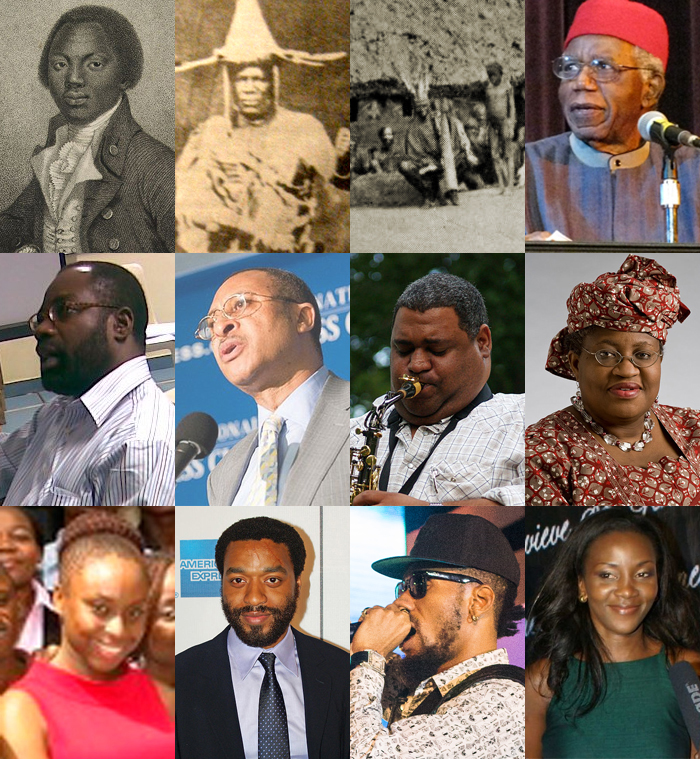 IgboŃdị́ Ìgbò
🇳🇬 Nigeria and 11 moreA major ethnic group of southeastern Nigeria with a rich history and diaspora
About 42 million, Niger-Congo
IgboŃdị́ Ìgbò
🇳🇬 Nigeria and 11 moreA major ethnic group of southeastern Nigeria with a rich history and diaspora
About 42 million, Niger-Congo
 Twelve Tribes of Israelשִׁבְטֵי־יִשְׂרָאֵל (Šiḇṭê Yiśrāʾēl)
🇮🇱 Israel and 5 moreAncient tribal confederation of the biblical Israelites in Canaan
Historical, Semitic
Twelve Tribes of Israelשִׁבְטֵי־יִשְׂרָאֵל (Šiḇṭê Yiśrāʾēl)
🇮🇱 Israel and 5 moreAncient tribal confederation of the biblical Israelites in Canaan
Historical, Semitic