
Amhara
Semitic-speaking people of Ethiopia's north and central highlands
The Amhara are a Semitic-speaking ethnic group native to the north and central highlands of Ethiopia. They are known for their long history as political leaders of the Ethiopian Empire, their Orthodox Christian faith, and their language, Amharic, which has served as Ethiopia's working language for centuries.
- Amharic is Ethiopia's working language and lingua franca.
- The Amhara homeland includes Lake Tana and the Simien Mountains.
- Most Amhara follow Ethiopian Orthodox Christianity.
- The Solomonic dynasty of emperors came from the Amhara.
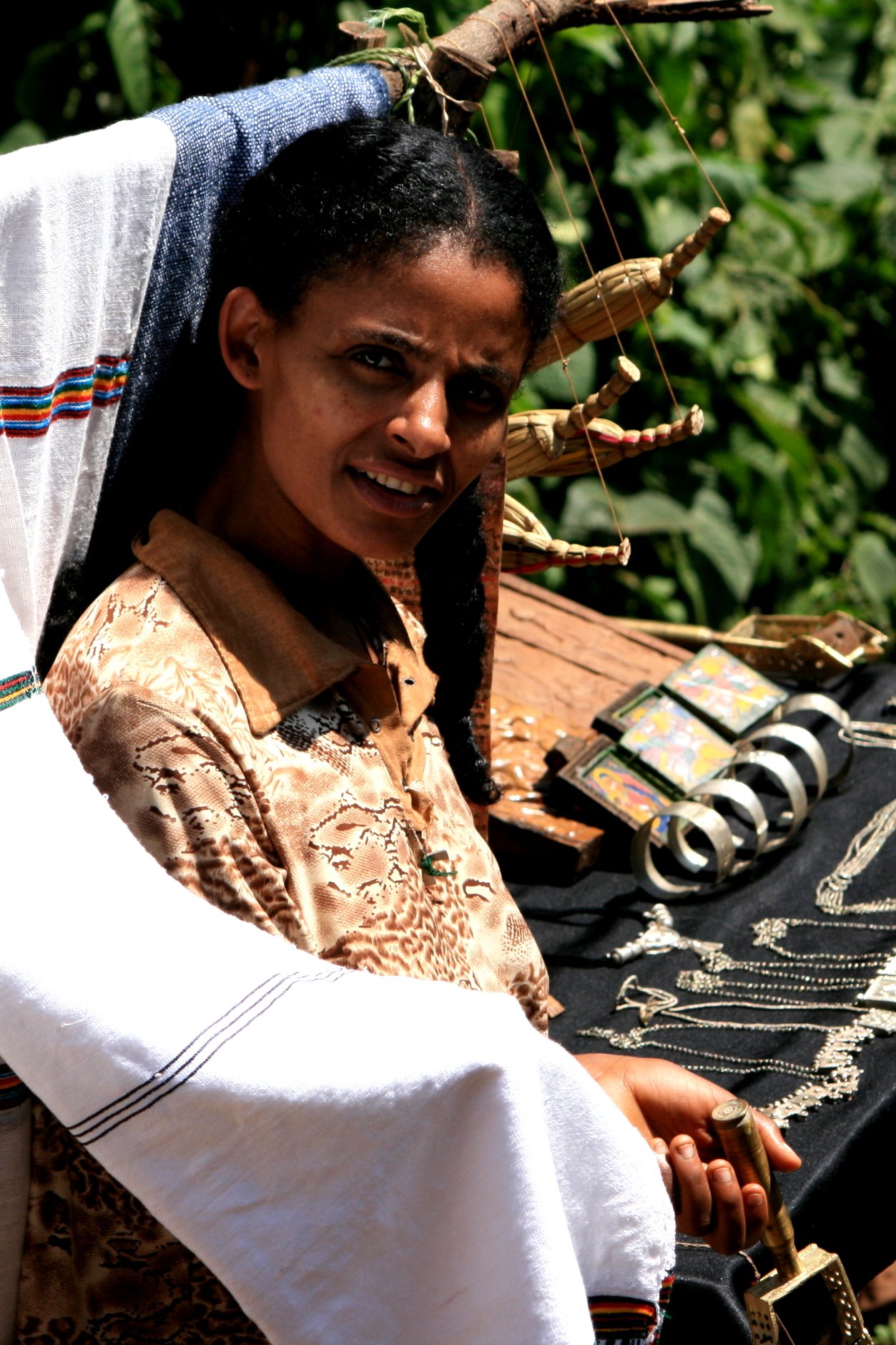
- Traditional dress includes the white gabi scarf.
Who are the Amhara?
The Amhara are a people native to Ethiopia's north and central highlands. Their identity is closely tied to the Amharic language and Orthodox Christian faith. Historically, they have played a central role in the formation and leadership of the Ethiopian Empire, with their culture and language shaping much of the country's history. The Amhara see themselves, along with related groups, as part of the broader Habesha community. Their traditions, social structures, and religious practices have developed over centuries in the highland regions, binding them together as a distinct people.
Where do the Amhara live?
The Amhara homeland covers the north and central highlands of Ethiopia, especially the Amhara Region. This area includes historic provinces such as Bete Amhara, Gojjam, Gondar, Simien, Lasta, Wegera, Angot, Dembiya, and Shewa. The landscape is marked by rugged mountains, fertile plateaus, and lakes, such as Lake Tana. The region's elevation and climate have shaped traditional ways of life, supporting settled agriculture and influencing local architecture and customs.
What language do the Amhara speak?
The Amhara speak Amharic, a South Semitic language. Amharic has been the working language of Ethiopia and the main language of government and education for centuries. It is written in the Ge'ez script. The spread of Amharic beyond the Amhara homeland is closely linked to the group's historical role in the Ethiopian Empire. Today, Amharic remains a vital language in Ethiopia and among Amhara communities abroad.
How do the Amhara live?
Traditionally, the Amhara are settled farmers, growing crops suited to the highland climate. They also engage in crafts and trade, with some working in towns and cities in various occupations. Houses are typically built from local materials, such as stone and thatch. The region's agriculture is shaped by the rainy season and the fertile highland soils. In addition to farming, some Amhara are involved in small-scale crafts and wage labor, especially in urban areas.
How is Amhara society organised?
Amhara society is organized around extended families and lineages. Descent is traced through both parents, and marriage often involves complex negotiations between families. Historically, social status was linked to land ownership and ties to the nobility. Decision-making in communities often involves elders and respected leaders. The Orthodox Christian faith plays a central role in social life, with festivals and rituals marking the calendar.


What do the Amhara believe?
Most Amhara follow Ethiopian Orthodox Christianity, which shapes their rituals, festivals, and daily life. Churches and monasteries are important centers of community and culture. Religious art, music, and dress reflect centuries-old traditions. Minority groups among the Amhara practice Islam or Judaism. Religious holidays, such as Timkat (Epiphany), are widely celebrated, and traditional clothing, like the white gabi scarf, is worn on special occasions.
The history of the Amhara
The Amhara have a long history as a central people in Ethiopia. Their homeland became a political and cultural center after the decline of the Aksumite civilization. The Solomonic dynasty, founded in the 13th century by Yekuno Amlak of Bete Amhara, established Amhara dominance in the empire. The Amhara language and culture spread through conquest, assimilation, and intermarriage. Over centuries, the Amhara played leading roles in the Ethiopian state, with their rulers seen as legitimate emperors. Their history is marked by interaction with neighboring groups and the shaping of modern Ethiopia.
Amhara life today
Today, the Amhara remain one of Ethiopia's largest ethnic groups, with millions living in the Amhara Region and cities across the country. Many also live abroad. Amharic continues as a major language. The group faces challenges related to land, political representation, and cultural preservation. Despite pressures, Amhara traditions and religious practices remain strong, and their influence on Ethiopian society continues.
Questions people ask about the Amhara
Where do the Amhara live?
The Amhara live mainly in the north and central highlands of Ethiopia, especially in the Amhara Region, and also in cities across the country and abroad.
How many Amhara are there?
According to the 2007 census, there were about 19.8 million Amhara in Ethiopia.
What language do the Amhara speak?
The Amhara speak Amharic, a Semitic language that is also the working language of Ethiopia.
What religion do most Amhara follow?
Most Amhara are Ethiopian Orthodox Christians, though there are minorities who practice Islam or Judaism.
What are the Amhara known for?
The Amhara are known for their historical role as leaders of the Ethiopian Empire, their Orthodox Christian faith, and their language, Amharic.
Sources and further reading
- Amhara people on WikipediaEncyclopedia
- Encyclopaedia BritannicaArticle
- More photos on Wikimedia CommonsPhotos
- Wikidata recordOpen data
This page was written with AI assistance from the sources above and checked automatically before publishing. It may contain mistakes, and it is no substitute for hearing from the Amhara themselves. If something is wrong, tell us. Last refreshed 2026-10-02.
Neighbours in Ethiopia
All peoples of Ethiopia FulaniFulɓe
🇳🇬 Nigeria and 21 moreCattle herders and farmers spread across West and Central Africa
About 39 million, Atlantic-Congo (Niger-Congo)
FulaniFulɓe
🇳🇬 Nigeria and 21 moreCattle herders and farmers spread across West and Central Africa
About 39 million, Atlantic-Congo (Niger-Congo)
 HausaHausawa
🇳🇬 Nigeria and 20 moreA major West African people of the Sahel and savanna, known for trade and Islamic heritage
About 86 million, Afro-Asiatic
HausaHausawa
🇳🇬 Nigeria and 20 moreA major West African people of the Sahel and savanna, known for trade and Islamic heritage
About 86 million, Afro-Asiatic
 Somalis
🇸🇴 Somalia and 6 morePastoral and trading people native to the Horn of Africa
About 28 million, Cushitic (Afroasiatic)
Somalis
🇸🇴 Somalia and 6 morePastoral and trading people native to the Horn of Africa
About 28 million, Cushitic (Afroasiatic)
 AfarQafár
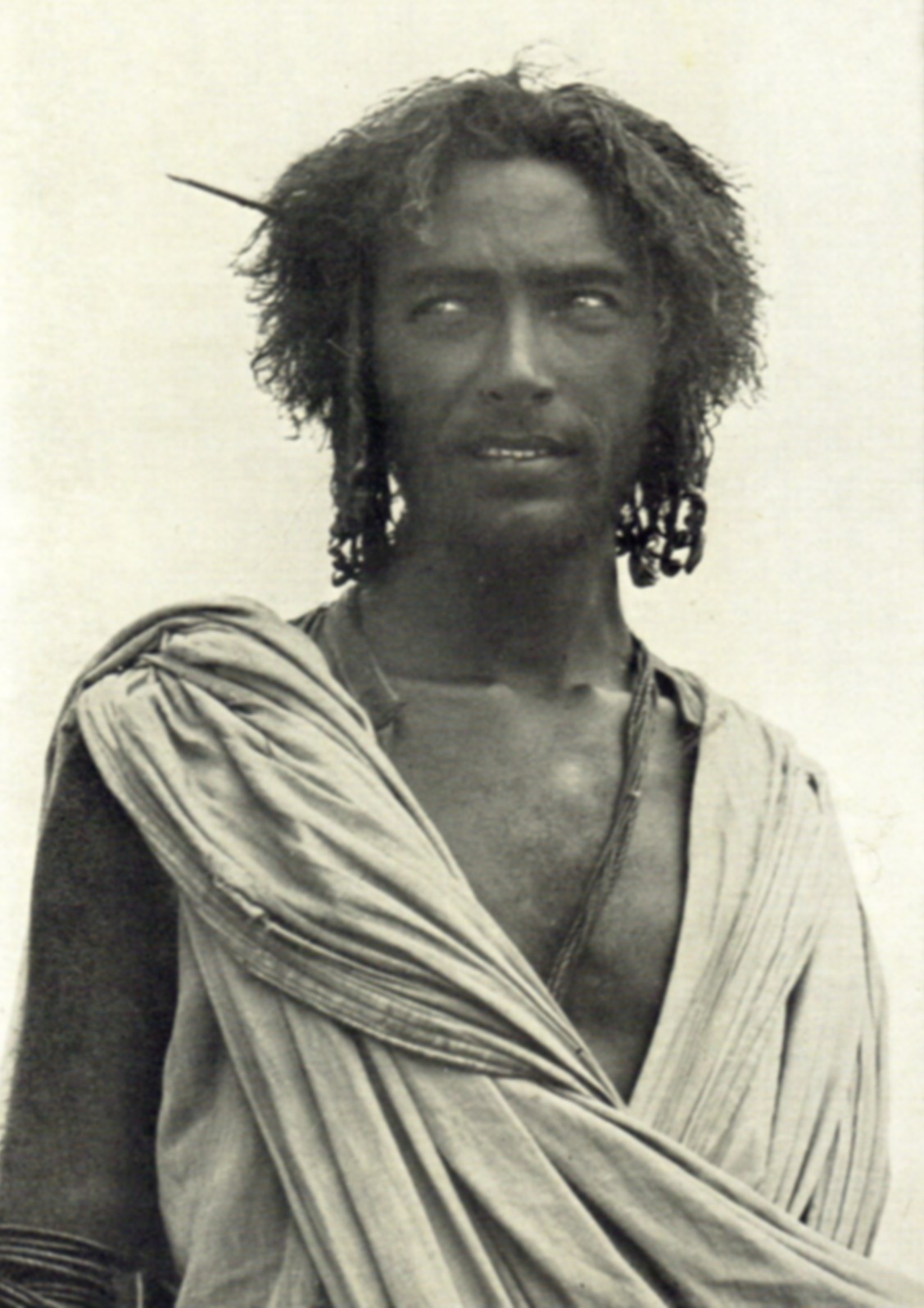
🇪🇹 Ethiopia and 2 moreNomadic herders of the Horn of Africa's deserts and coasts
About 3.4 million, Afroasiatic, Cushitic
AfarQafár
🇪🇹 Ethiopia and 2 moreNomadic herders of the Horn of Africa's deserts and coasts
About 3.4 million, Afroasiatic, Cushitic