
Ovambo
Largest ethnic group of Namibia, also in southern Angola
The Ovambo are a Bantu-speaking people native to northern Namibia and southern Angola, making up about half of Namibia's population and a minority in Angola. Numbering around 2.2 million, they are known for their matrilineal clans, traditional homesteads, and a blend of Lutheran and traditional beliefs.
- Largest ethnic group in Namibia, about half the population
- Live in matrilineal clans with hereditary chiefs
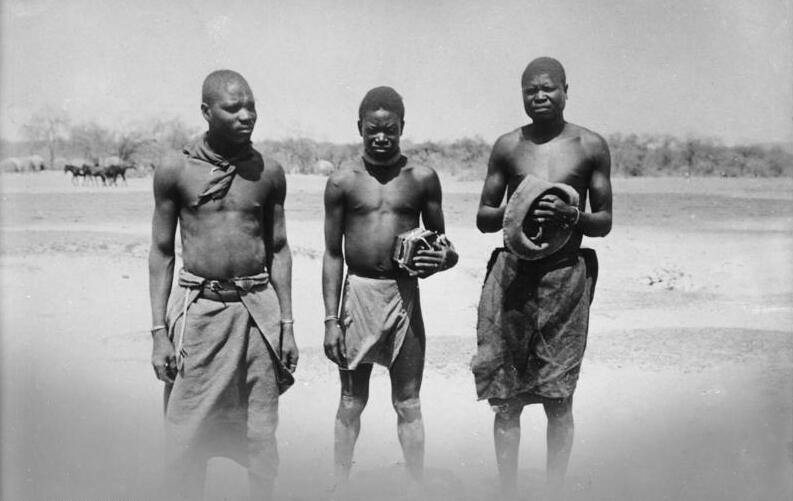
- Traditional homesteads are maze-like complexes of huts
- Blend Lutheran Christianity with older rituals
- Faced violent colonial campaigns in Angola in 1915
Who are the Ovambo?
The Ovambo are a Bantu-speaking people who form the largest ethnic group in Namibia and are also present in southern Angola. They are organized into several related tribes and clans, each with its own hereditary chief. What holds them together is a shared language (Oshiwambo), matrilineal descent, and a history of living in the flat, flood-prone plains of Ovamboland. Despite colonial pressures and missionary influence, the Ovambo have maintained many traditional practices, especially in family structure, rituals, and community organization.
Where do the Ovambo live?
The Ovambo live mainly in the flat, sandy plains of northern Namibia and the Cunene Province of Angola, a region often called Ovamboland. The land is marked by seasonal watercourses called oshanas, which flood during the rainy season and create temporary lakes and islands. The area supports tropical vegetation in the north and is well-suited to both farming and herding. The climate is marked by distinct wet and dry seasons, shaping how the Ovambo build their homes and organize their agriculture and livestock.
What language do the Ovambo speak?
The Ovambo speak Oshiwambo, a Bantu language with several dialects tied to different subgroups. In Namibia, English is also spoken, while in Angola, Portuguese is common. Oshiwambo remains widely used in daily life, in homes, and in cultural practices. The language links the various Ovambo clans and is a key part of their identity.
How do the Ovambo live?
Traditionally, the Ovambo are settled farmers and herders. They grow millet, sorghum, and beans, and keep cattle, goats, and sheep, mainly for milk rather than meat. In wetter years, fishing and gathering supplement their diet, while in drier times, herding becomes more important. Their homesteads are complexes of huts surrounded by fences, with each hut serving a specific purpose. Wage labor, especially as migrant workers in southern Namibia and South Africa, became common during the colonial period and continues today.
How is Ovambo society organised?
Ovambo society is organized into matrilineal clans, with descent and inheritance passing through the mother's line. Each tribe is led by a hereditary chief, and councils of headmen often assist in governance. Only those born into the royal family on the maternal side can become chiefs. Polygyny is accepted, with the first wife holding senior status. Family and clan ties are central, and traditional authority structures remain important in community life.


What do the Ovambo believe?
Most Ovambo today are Lutheran Christians, a result of 19th-century missionary work, but some traditional beliefs persist. Their traditional religion centers on a supreme being called Kalunga and rituals involving a sacred fire. Rituals include fire-making ceremonies, rain dances, and the use of herbs and smoke. Many Ovambo weddings and festivals blend Christian and traditional elements, and drumming and dance remain important in celebrations. Traditional dress for women, influenced by missionaries, includes a head scarf and long dress.
The history of the Ovambo
The Ovambo migrated from the northeast (now Zambia) to their present homeland around the 14th century, settling along the Angola-Namibia border and later moving further south. They remained relatively isolated from outside traders until the late 19th century. Under German colonial rule, their region was largely left alone, but after World War I, South Africa annexed Namibia and imposed new economic and political systems. In Angola, Portuguese colonial forces violently suppressed the Ovambo in 1915, with a 2026 study describing these actions as genocide. The Ovambo resisted colonial rule through armed rebellions and played a major role in Namibia's struggle for independence, achieved in 1990.
Ovambo life today
Today, the Ovambo number about 2.2 million, with most living in Namibia and a minority in Angola. They make up half of Namibia's population and continue to practice a mix of traditional and modern livelihoods. While Christianity is dominant, traditional beliefs and customs remain visible. The Ovambo have faced pressures from colonialism, apartheid, and labor migration, but their language, clan system, and cultural practices remain strong.
Questions people ask about the Ovambo
Where do the Ovambo live?
The Ovambo mainly live in the flat, sandy plains of northern Namibia and the Cunene Province of southern Angola, a region often called Ovamboland.
How many Ovambo people are there?
There are about 2.2 million Ovambo people, with most living in Namibia and a minority in Angola.
What language do the Ovambo speak?
The Ovambo speak Oshiwambo, a Bantu language with several dialects, and also use English and Portuguese depending on the country.
What is the Ovambo religion?
Most Ovambo are Lutheran Christians, but some traditional beliefs centered on a supreme being called Kalunga and sacred fire rituals are still practiced.
How is Ovambo society organized?
Ovambo society is matrilineal, with clans led by hereditary chiefs and descent traced through the mother's line.
Sources and further reading
- Ovambo people on WikipediaEncyclopedia
- Encyclopaedia BritannicaArticle
- More photos on Wikimedia CommonsPhotos
- Wikidata recordOpen data
This page was written with AI assistance from the sources above and checked automatically before publishing. It may contain mistakes, and it is no substitute for hearing from the Ovambo themselves. If something is wrong, tell us. Last refreshed 2026-10-02.
Neighbours in Namibia
All peoples of Namibia TswanaBatswana
🇧🇼 Botswana and 3 moreA Bantu-speaking people of Southern Africa, central to Botswana and South Africa
About 7.1 million, Bantu
TswanaBatswana
🇧🇼 Botswana and 3 moreA Bantu-speaking people of Southern Africa, central to Botswana and South Africa
About 7.1 million, Bantu
 SothoBasotho
🇿🇦 South Africa and 4 moreA Sotho-Tswana people of Lesotho and South Africa, known for their language and history.
About 7.3 million, Bantu
SothoBasotho
🇿🇦 South Africa and 4 moreA Sotho-Tswana people of Lesotho and South Africa, known for their language and history.
About 7.3 million, Bantu
 San
🇳🇦 Namibia and 5 moreIndigenous hunter-gatherers of southern Africa with ancient roots
About 160,000, Khoe, Kxʼa, and Tuu
San
🇳🇦 Namibia and 5 moreIndigenous hunter-gatherers of southern Africa with ancient roots
About 160,000, Khoe, Kxʼa, and Tuu
 Khoikhoi
🇿🇦 South Africa and 2 morePastoralist indigenous people of Southern Africa, known for herding and clan traditions
About 333,000, Khoe
Khoikhoi
🇿🇦 South Africa and 2 morePastoralist indigenous people of Southern Africa, known for herding and clan traditions
About 333,000, Khoe
Other Bantu speakers
See them all KikuyuAgĩkũyũ
🇰🇪 KenyaLargest ethnic group of Kenya's central highlands, known for farming and rich traditions
About 8.1 million, Bantu
KikuyuAgĩkũyũ
🇰🇪 KenyaLargest ethnic group of Kenya's central highlands, known for farming and rich traditions
About 8.1 million, Bantu
 Shona
🇿🇼 Zimbabwe and 4 moreThe largest Bantu-speaking group of Zimbabwe, known for stone sculpture and mbira music
About 16 million, Bantu
Shona
🇿🇼 Zimbabwe and 4 moreThe largest Bantu-speaking group of Zimbabwe, known for stone sculpture and mbira music
About 16 million, Bantu
 Baganda
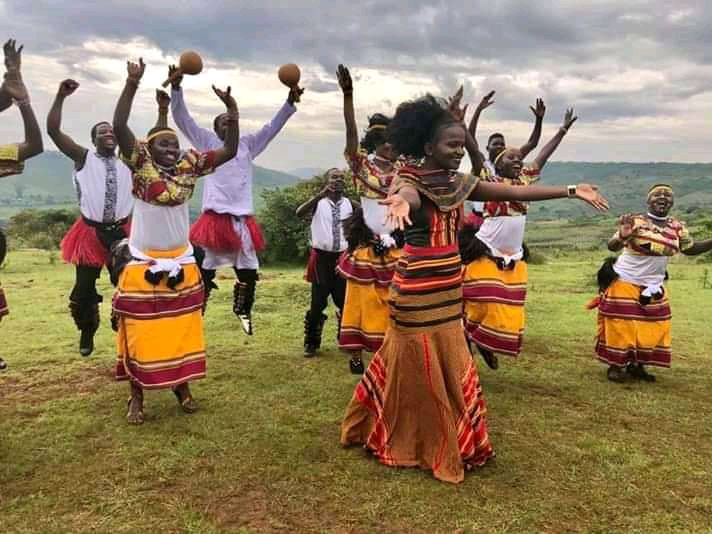
🇺🇬 UgandaLargest ethnic group of Uganda, organized by clans in the Buganda kingdom
About 7 million, Bantu
Baganda
🇺🇬 UgandaLargest ethnic group of Uganda, organized by clans in the Buganda kingdom
About 7 million, Bantu
 GogoWagogo
🇹🇿 TanzaniaBantu farmers and herders of Tanzania's Dodoma Region
About 1.3 million, Bantu
GogoWagogo
🇹🇿 TanzaniaBantu farmers and herders of Tanzania's Dodoma Region
About 1.3 million, Bantu