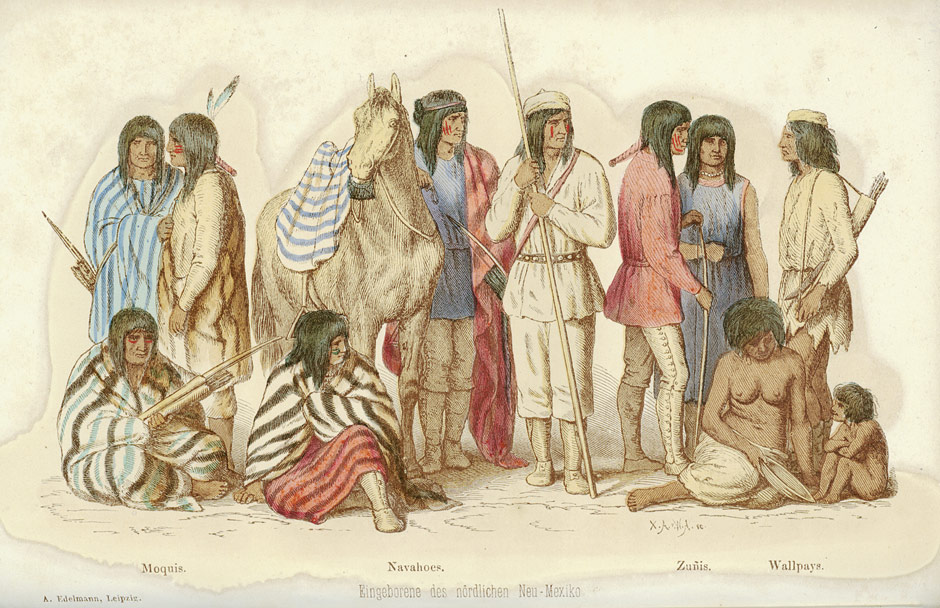
Navajo
They call themselves Diné
Largest Native nation in the US Southwest, known for weaving and resilience
The Navajo, who call themselves Diné, are the largest Indigenous group in the United States. Most live on the Navajo Nation, a vast reservation in Arizona, New Mexico, and Utah. With over 399,000 enrolled members (2021), they are known for their language, weaving, and a history marked by both adaptation and hardship.
- Largest reservation in the United States by area
- Over 399,000 enrolled tribal citizens (2021)
- Traditional weaving and beadwork are highly valued arts
- Speak Navajo, a Southern Athabaskan language
- Survived the Long Walk forced removal in the 1860s
Who are the Navajo?
The Navajo, or Diné, are an Indigenous people of the Southwestern United States. Their identity is rooted in shared language, history, and a strong sense of community. Most Navajo are enrolled in the Navajo Nation, which is the largest reservation in the US. Their society is held together by family ties, clan relationships, and a deep connection to their land and traditions. The Navajo are known for their resilience, artistic achievements, and the preservation of their language and culture despite historical challenges.
Where do the Navajo live?
The Navajo homeland spans the Four Corners region, where Arizona, New Mexico, Utah, and Colorado meet. The Navajo Nation reservation covers over 27,000 square miles, making it the largest in the United States. This land includes high desert, mesas, canyons, and mountains, with significant places such as Canyon de Chelly and Monument Valley. The landscape is central to Navajo identity and features in their stories, ceremonies, and daily life.
What language do the Navajo speak?
The Navajo speak Diné bizaad, a Southern Athabaskan language. It is closely related to Apache languages and has two main dialects. Many Navajo also speak English, and some use Plains Indian Sign Language or Navajo Sign Language. The language remains vital, with ongoing efforts to teach it to younger generations and use it in schools and public life.
How do the Navajo live?
Traditionally, the Navajo were hunters and gatherers, but they adopted farming from neighboring Pueblo peoples, growing corn, beans, and squash. After contact with the Spanish, they began herding sheep and goats, which became central to their economy and culture. Weaving wool into blankets and rugs is a highly valued art. Today, many Navajo work in crafts, trade, and wage labor, while some continue farming and herding on the reservation.
How is Navajo society organised?
Navajo society is organized around matrilineal clans, meaning descent is traced through the mother. Clan membership shapes marriage choices, social roles, and responsibilities. Extended families often live close together, supporting each other in daily life. Leadership has traditionally come from respected elders and headmen, with modern governance through the Navajo Nation government. Decision-making values consensus and respect for tradition.


What do the Navajo believe?
The Navajo hold a blend of traditional beliefs, Native American Church practices, and Christianity. Their traditional religion centers on harmony with nature, ceremonies for healing and balance, and respect for sacred places. Art, music, and dress are important, with weaving, beadwork, and colorful clothing expressing identity. Rituals and oral traditions pass down stories and values through generations.
The history of the Navajo
The Navajo migrated from northwestern Canada and Alaska about a thousand years ago. They settled in the Southwest, adopting farming and herding from neighbors. Spanish, Mexican, and later American expansion brought conflict and hardship. In the 1860s, thousands were forced on the Long Walk to Bosque Redondo, where many died from hunger and disease. After the 1868 treaty, survivors returned to a reservation. Over time, the Navajo expanded their land base but faced continued pressures from settlers, resource extraction, and government policies.
Navajo life today
Today, the Navajo Nation is the largest Native reservation in the US, with over 399,000 enrolled members. Most live in Arizona and New Mexico. The tribe has its own government and works to protect land, language, and culture. Challenges include economic hardship, land disputes, and maintaining traditions. There are ongoing efforts to revitalize the Navajo language and strengthen community life.
Questions people ask about the Navajo
Where do the Navajo live?
Most Navajo live on the Navajo Nation reservation in the Four Corners region of Arizona, New Mexico, and Utah. Some also live in Colorado and a small number in Canada.
How many Navajo are there?
There are 399,494 enrolled tribal citizens according to the Navajo Nation's 2021 census office.
What language do the Navajo speak?
The Navajo speak Diné bizaad (Navajo), a Southern Athabaskan language. Many also speak English, and some use Plains Indian Sign Language.
What are the Navajo known for?
The Navajo are known for their weaving, beadwork, and for surviving the Long Walk, a forced removal in the 1860s. They have a strong tradition of art and oral storytelling.
What religions do the Navajo follow?
The Navajo practice a mix of traditional Indigenous beliefs, the Native American Church, and Christianity.
Sources and further reading
- Navajo on WikipediaEncyclopedia
- Official websiteOfficial site
- Encyclopaedia BritannicaArticle
- More photos on Wikimedia CommonsPhotos
- Wikidata recordOpen data
This page was written with AI assistance from the sources above and checked automatically before publishing. It may contain mistakes, and it is no substitute for hearing from the Navajo themselves. If something is wrong, tell us. Last refreshed 2026-10-02.
Neighbours in the United States
All peoples of the United States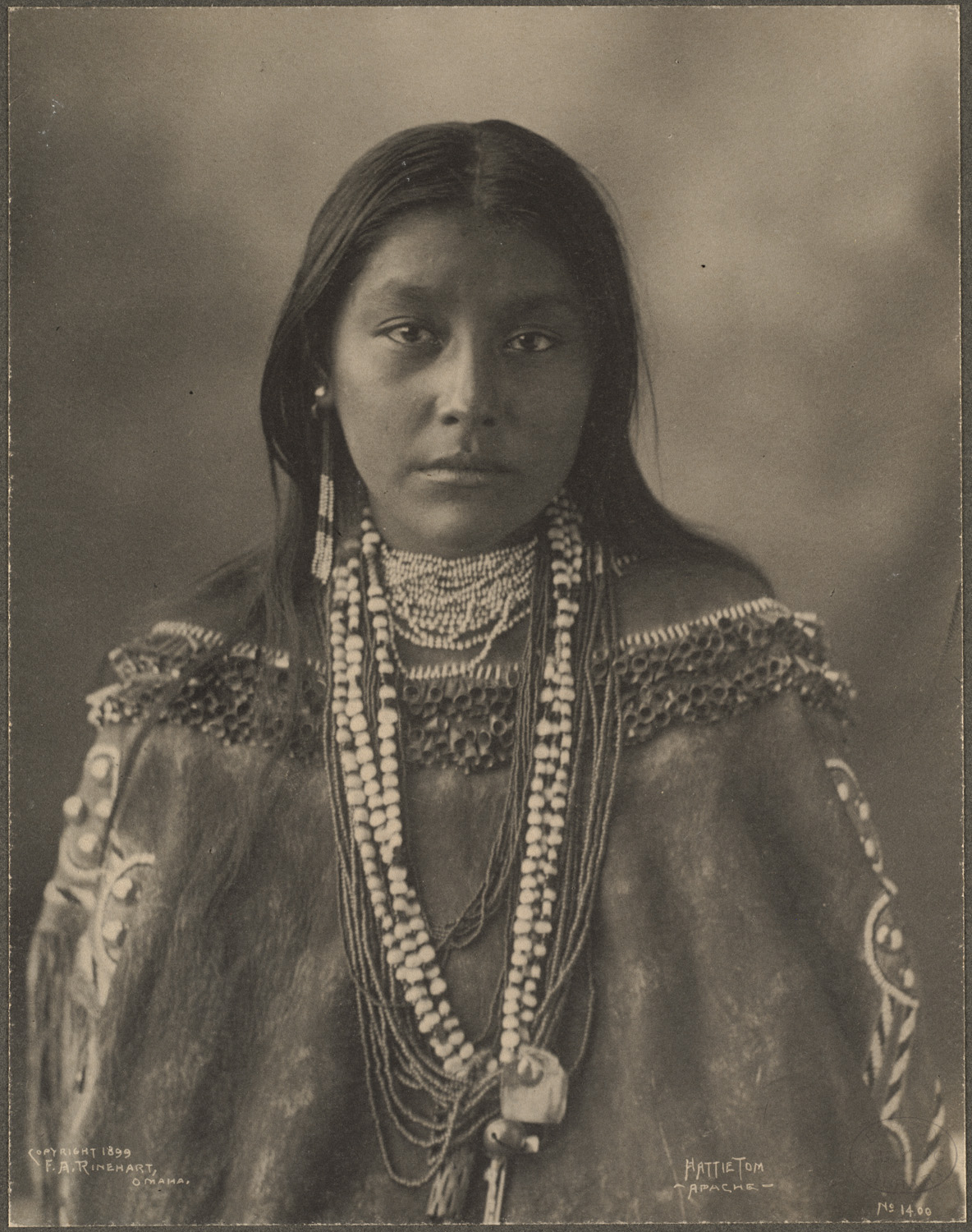 ChiricahuaNde
🇺🇸 United States and 1 moreApache people of the US Southwest and northern Mexico
About 4,000, Southern Athabaskan
ChiricahuaNde
🇺🇸 United States and 1 moreApache people of the US Southwest and northern Mexico
About 4,000, Southern Athabaskan
 Jicarilla ApacheJicarilla Dindéi
🇺🇸 United StatesSeminomadic Apache people of northern New Mexico and southern Colorado
About 3,000, Southern Athabaskan
Jicarilla ApacheJicarilla Dindéi
🇺🇸 United StatesSeminomadic Apache people of northern New Mexico and southern Colorado
About 3,000, Southern Athabaskan
 Western ApacheNdee (Indé)
🇺🇸 United States and 1 moreApache peoples of east-central Arizona, living on several reservations
About 14,000, Southern Athabaskan
Western ApacheNdee (Indé)
🇺🇸 United States and 1 moreApache peoples of east-central Arizona, living on several reservations
About 14,000, Southern Athabaskan
 Jewsיהודים
🇮🇱 Israel and 11 moreAn ethnoreligious group with ancient roots in Israel and a global presence today
About 15 million
Jewsיהודים
🇮🇱 Israel and 11 moreAn ethnoreligious group with ancient roots in Israel and a global presence today
About 15 million