
Squaxin Island Tribe
Descendants of South Puget Sound Coast Salish, based in western Washington
The Squaxin Island Tribe is a federally recognized Coast Salish people in Mason County, Washington. They descend from several groups who lived along the South Puget Sound inlets. Today, about 1,071 are enrolled, with 509 living on tribal lands. They are known for their fishing rights, cultural revival, and active tribal enterprises.
Who are the Squaxin Island Tribe?
The Squaxin Island Tribe is a community of Coast Salish people whose ancestors lived along the seven inlets of the South Puget Sound. They are united by shared history, family ties, and a deep connection to the saltwater environment. The tribe includes descendants of the Squaxin, Sahewamish, T'Peeksin, Squiaitl, Stechass, and Nusechatl. Their identity is shaped by fishing traditions, cultural practices, and the ongoing stewardship of their ancestral lands and waters. Today, the tribe is known for its efforts to preserve its heritage, assert treaty rights, and support community well-being.
Where do the Squaxin Island Tribe live?
The Squaxin Island Tribe's homeland covers the inlets and shores of the South Puget Sound in western Washington. Historically, their villages were spread along Carr, Henderson, Budd, Eld, Totten, Hammersley, and Case Inlets. The reservation, established in 1854, originally included all of Squaxin Island, but tribal members now live mainly on lands in and around Kamilche and other parcels nearby. The landscape features saltwater bays, forested uplands, and productive shellfish beds, which remain central to tribal life.
What language do the Squaxin Island Tribe speak?
The Squaxin Island Tribe traditionally spoke Lushootseed, a Salishan language once common throughout the Puget Sound region. Lushootseed was a dialect continuum, meaning neighboring groups could understand each other but had local variations. While English is now dominant, efforts to revitalize Lushootseed continue through cultural programs and education.
How do the Squaxin Island Tribe live?
Fishing, especially for salmon and shellfish, has long been central to Squaxin Island Tribe life. Historically, families lived in longhouses and harvested resources from the inlets, using canoes, weirs, and nets. Today, fishing remains important both culturally and economically, with many tribal members working in fisheries. The tribe also operates businesses such as a casino, golf course, and tobacco company. Basket weaving, canoe carving, and other crafts are practiced and taught through tribal programs.
How is Squaxin Island Tribe society organised?
Squaxin society was organized around extended families living in villages, connected by kinship and alliances. Leadership was often based on family ties and knowledge of traditions. Marriage and social ties linked different inlet communities. Today, the tribe is governed by an elected Tribal Council, which oversees decisions and community affairs. Family and community events, such as canoe journeys and cultural classes, help maintain social bonds.


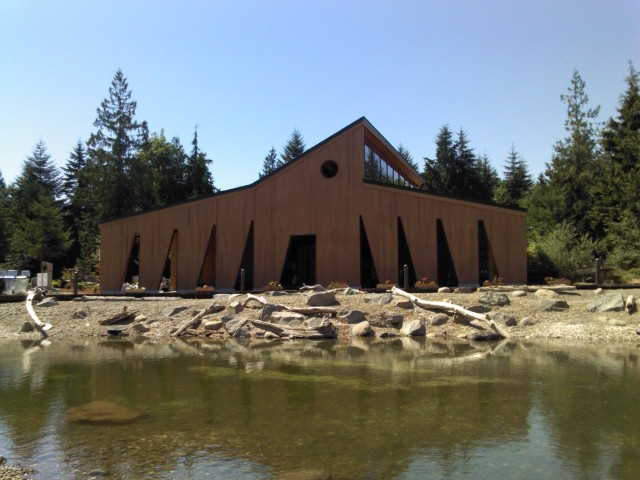

What do the Squaxin Island Tribe believe?
Traditional beliefs included shamanism and ceremonies tied to the land and water. Storytelling, song, and dance were important, as were crafts like basketry and canoe carving. In 1882, John Slocum, a Squaxin, founded the Indian Shaker Church, blending indigenous and Christian elements. Today, most Squaxins identify as Protestant, but the Shaker Church and traditional practices remain part of community life. Art, music, and cultural education are promoted through the tribe's museum and events.
The history of the Squaxin Island Tribe
The Squaxin Island Tribe descends from Coast Salish groups who lived along seven South Puget Sound inlets. After the 1854 Medicine Creek Treaty, they were confined to Squaxin Island, losing access to most ancestral lands. The island proved difficult to live on, and many families returned to the mainland. Over time, state laws and settler expansion restricted fishing rights and traditional livelihoods. In the 1960s and 70s, the tribe joined others in demanding treaty rights, leading to the landmark Boldt decision, which restored fishing rights. The tribe has since regained land and developed tribal enterprises.
Squaxin Island Tribe life today
The Squaxin Island Tribe has over 1,000 enrolled members, with more than 500 living on tribal lands. They continue to reclaim ancestral territory, including recent returns of shoreline and forest. The tribe co-manages fisheries, runs several businesses, and promotes cultural revival through education and events. Challenges remain, but the tribe is active in conservation, economic development, and maintaining its heritage.
Questions people ask about the Squaxin Island Tribe
Where do the Squaxin Island Tribe live?
The Squaxin Island Tribe live in the United States, in the South Puget Sound inlets, western Washington.
How many Squaxin Island Tribe people are there?
Our sources give the Squaxin Island Tribe population as 1,071 enrolled (Wikidata); 509 residents on tribal lands (2020 census). Counts of peoples vary with who is counted and when.
What language do the Squaxin Island Tribe speak?
The Squaxin Island Tribe speak Lushootseed, which belongs to the Salishan family of languages.
How do the Squaxin Island Tribe make a living?
The Squaxin Island Tribe are known for fishing and the sea, towns and wage work and craft and trade. Like most peoples, they combine several ways of making a living, and these have changed over time.
Sources and further reading
- Squaxin Island Tribe on WikipediaEncyclopedia
- Official websiteOfficial site
- More photos on Wikimedia CommonsPhotos
- Wikidata recordOpen data
This page was written with AI assistance from the sources above and checked automatically before publishing. It may contain mistakes, and it is no substitute for hearing from the Squaxin Island Tribe themselves. If something is wrong, tell us. Last refreshed 2026-10-02.
Neighbours in the United States
All peoples of the United States KalispelQl̓ispé
🇺🇸 United StatesIndigenous people of the Northwest Plateau, known for their camas-based traditions
About 400, Salishan
KalispelQl̓ispé
🇺🇸 United StatesIndigenous people of the Northwest Plateau, known for their camas-based traditions
About 400, Salishan
 Suquamishsuq̓ʷabš
🇺🇸 United StatesA Coast Salish tribe on the Kitsap Peninsula, Washington
About 1,000, Salishan
Suquamishsuq̓ʷabš
🇺🇸 United StatesA Coast Salish tribe on the Kitsap Peninsula, Washington
About 1,000, Salishan
 Muckleshootbəqəlšuɬ
🇺🇸 United StatesDescendants of Duwamish and Upper Puyallup peoples in Washington's river valleys
About 3,000, Salishan
Muckleshootbəqəlšuɬ
🇺🇸 United StatesDescendants of Duwamish and Upper Puyallup peoples in Washington's river valleys
About 3,000, Salishan
 Jewsיהודים
🇮🇱 Israel and 11 moreAn ethnoreligious group with ancient roots in Israel and a global presence today
About 15 million
Jewsיהודים
🇮🇱 Israel and 11 moreAn ethnoreligious group with ancient roots in Israel and a global presence today
About 15 million