
Ngāi Takoto
A Māori iwi of the far north of New Zealand's North Island
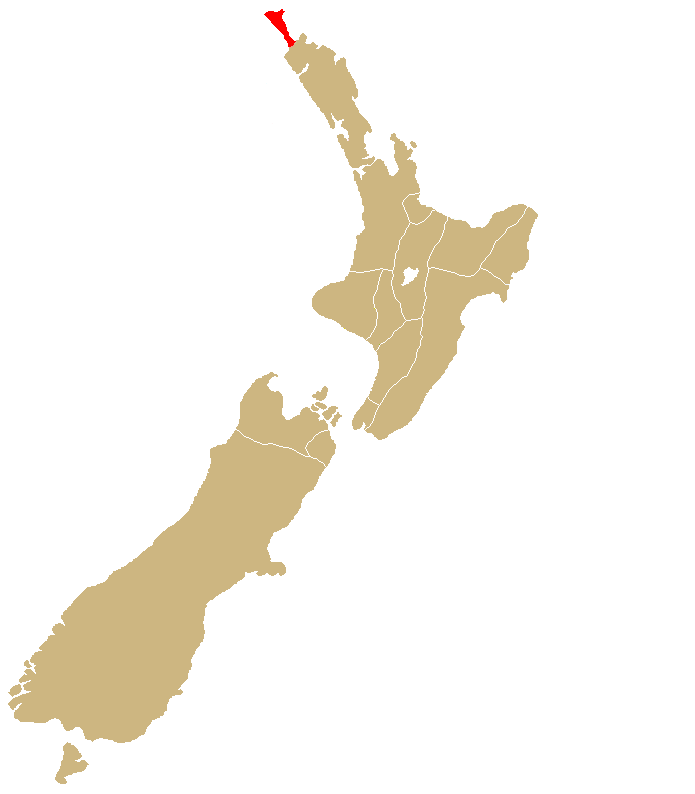
Ngāi Takoto is a Māori iwi (tribe) based in the Northland region of New Zealand, especially around Ninety Mile Beach and Cape Reinga. In 2013, 1,113 people identified with Ngāi Takoto. The iwi is known for its ancestral ties to the Kurahaupō canoe and for co-governing important coastal lands after a Treaty of Waitangi settlement.
- Ngāi Takoto is one of six Muriwhenua iwi in Northland, New Zealand.
- Their rohe includes Ninety Mile Beach and Cape Reinga.
- In 2012, they signed a Treaty of Waitangi settlement with the Crown.
- About a third of members can speak te reo Māori.
- They co-govern Ninety Mile Beach and help manage conservation.
Who are the Ngāi Takoto?
Ngāi Takoto is one of the six Muriwhenua iwi of the far north of New Zealand's North Island. The people trace their ancestry (whakapapa) to Tuwhakatere and their arrival to the Kurahaupō waka, one of the great voyaging canoes. The iwi is held together by shared descent, history, and a strong connection to their traditional lands and coastal areas. Their identity is shaped by their marae, ancestral stories, and collective responsibilities to the land and sea.
Where do the Ngāi Takoto live?
Ngāi Takoto's rohe (tribal area) covers the uppermost part of the North Island, stretching from Cape Reinga and North Cape, across Ninety Mile Beach, and including places like Rangaunu Harbour, Waimimiha River, and the Ohaku hills. The region is known for its long beaches, coastal dunes, and significant cultural sites. The iwi's connection to these lands is central to their identity and is reflected in their role as co-governors of important natural areas.
What language do the Ngāi Takoto speak?
Ngāi Takoto members speak te reo Māori, the Māori language. In 2013, about a third of iwi members could converse in te reo Māori about everyday things. The language is a key part of cultural life and identity, and efforts to maintain and revive it continue, supported by local marae and iwi media.
How do the Ngāi Takoto live?
Traditionally, Ngāi Takoto relied on fishing and the resources of the coastal environment. Today, many members work in wage jobs, with labouring being common for both men and women. The iwi also manages customary fisheries and is involved in conservation and land management. Modern homes are common, and most households have access to vehicles, phones, and the Internet.
How is Ngāi Takoto society organised?
Ngāi Takoto society is organised around marae, which are central meeting places for families and the wider iwi. Decision-making involves representatives from these marae. Family (whānau) and wider kin groups (hapū) play important roles in social life. The iwi has formal governance structures for managing resources, fisheries, and relationships with government.
What do the Ngāi Takoto believe?
The sources do not describe specific religious or spiritual beliefs for Ngāi Takoto. However, Māori culture often includes respect for ancestors, the land, and the sea, with rituals and gatherings held at marae. Art, music, and oral traditions are important for expressing identity and maintaining cultural knowledge.
The history of the Ngāi Takoto
Ngāi Takoto trace their origins to the Kurahaupō waka and the ancestor Tuwhakatere. After colonisation, the iwi lost almost all of their land. In 2012, Ngāi Takoto signed a Treaty of Waitangi settlement with the Crown, which included financial compensation and the return of culturally significant sites. The settlement also established co-governance arrangements for Ninety Mile Beach and involvement in conservation decisions.
Ngāi Takoto life today
Ngāi Takoto remains a small but active iwi, with most members living in Northland and Auckland. The iwi has formal governance bodies and is involved in managing land, fisheries, and social development. They co-govern important coastal areas and participate in conservation. The iwi supports cultural revival, language, and media, and continues to address the challenges of economic development and wellbeing.
Questions people ask about the Ngāi Takoto
Where do Ngāi Takoto live?
Ngāi Takoto are based in the far north of New Zealand's North Island, especially around Ninety Mile Beach, Cape Reinga, and the Northland region.
How many people belong to Ngāi Takoto?
According to the 2013 New Zealand census, 1,113 people identified with Ngāi Takoto.
What language do Ngāi Takoto speak?
Ngāi Takoto speak te reo Māori, the Māori language. About a third of members can hold a conversation in it.
What is Ngāi Takoto known for?
Ngāi Takoto is known for its ancestral ties to the Kurahaupō canoe, its role as one of the Muriwhenua iwi, and for co-governing Ninety Mile Beach after a Treaty of Waitangi settlement.
What are the main ways Ngāi Takoto make a living?
Traditionally, Ngāi Takoto relied on fishing and coastal resources. Today, many work in wage jobs, especially as labourers, and the iwi manages customary fisheries and land.
Sources and further reading
This page was written with AI assistance from the sources above and checked automatically before publishing. It may contain mistakes, and it is no substitute for hearing from the Ngāi Takoto themselves. If something is wrong, tell us. Last refreshed 2026-10-02.
Neighbours in New Zealand
All peoples of New Zealand Ngāi Tahu
🇳🇿 New ZealandThe principal Māori iwi of New Zealand's South Island
About 85,000, Austronesian
Ngāi Tahu
🇳🇿 New ZealandThe principal Māori iwi of New Zealand's South Island
About 85,000, Austronesian
 Ngāpuhi
🇳🇿 New ZealandLargest Māori iwi of New Zealand's Northland region
About 184,000, Austronesian
Ngāpuhi
🇳🇿 New ZealandLargest Māori iwi of New Zealand's Northland region
About 184,000, Austronesian
 Ngāti Kahungunu
🇳🇿 New ZealandA major Māori iwi of New Zealand’s eastern North Island
About 82,000, Austronesian
Ngāti Kahungunu
🇳🇿 New ZealandA major Māori iwi of New Zealand’s eastern North Island
About 82,000, Austronesian
 Ngāti Porou
🇳🇿 New ZealandA large Māori iwi from the East Cape and Gisborne regions of New Zealand
About 102,000, Austronesian
Ngāti Porou
🇳🇿 New ZealandA large Māori iwi from the East Cape and Gisborne regions of New Zealand
About 102,000, Austronesian
Other Austronesian speakers
See them all MalaysOrang Melayu
🇲🇾 Malaysia and 4 moreAustronesian people of the Malay Peninsula, Sumatra, Borneo and nearby islands
About 30 million, Austronesian
MalaysOrang Melayu
🇲🇾 Malaysia and 4 moreAustronesian people of the Malay Peninsula, Sumatra, Borneo and nearby islands
About 30 million, Austronesian
 Minangkabaubangso Minangkabau
🇮🇩 Indonesia and 3 moreMatrilineal Muslim society from the highlands of West Sumatra
About 6.6 million, Austronesian
Minangkabaubangso Minangkabau
🇮🇩 Indonesia and 3 moreMatrilineal Muslim society from the highlands of West Sumatra
About 6.6 million, Austronesian
 Sundaneseᮅᮛᮀ ᮞᮥᮔ᮪ᮓ (Urang Sunda)
🇮🇩 Indonesia and 3 moreThe native people of western Java, Indonesia, known for their language and traditions
About 42 million, Austronesian
Sundaneseᮅᮛᮀ ᮞᮥᮔ᮪ᮓ (Urang Sunda)
🇮🇩 Indonesia and 3 moreThe native people of western Java, Indonesia, known for their language and traditions
About 42 million, Austronesian
 Balineseanak Bali
🇮🇩 IndonesiaHindu-majority people of Bali, known for art, dance, and water-temple farming
About 3.9 million, Austronesian
Balineseanak Bali
🇮🇩 IndonesiaHindu-majority people of Bali, known for art, dance, and water-temple farming
About 3.9 million, Austronesian