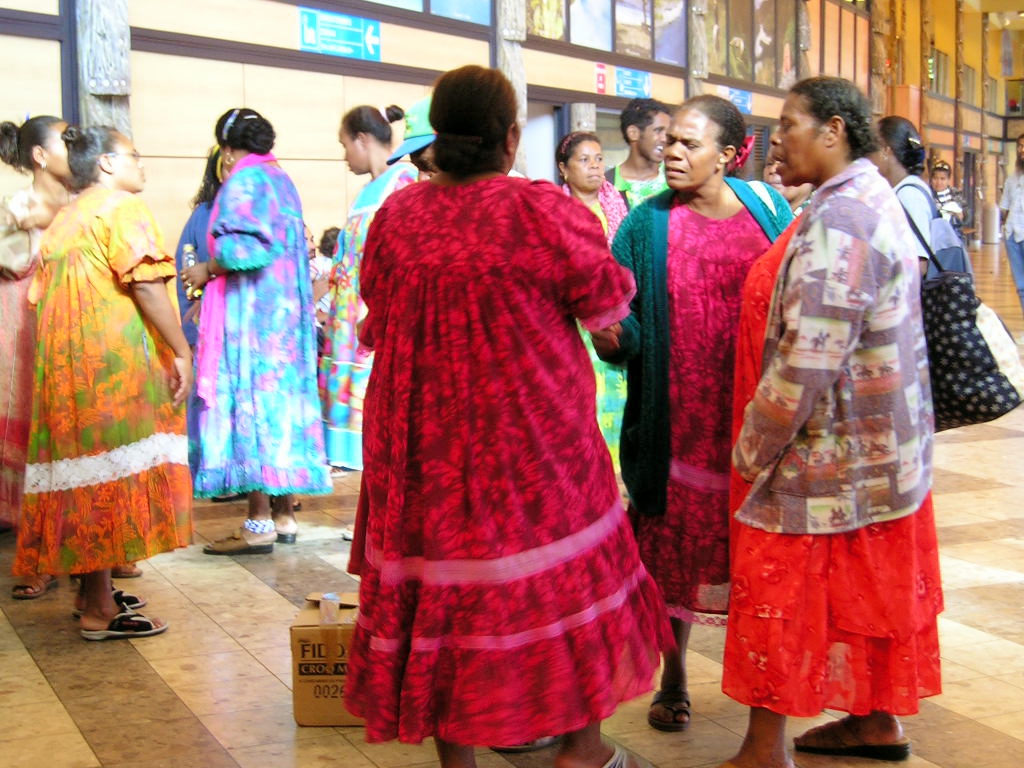
Kanak
Indigenous Melanesians of New Caledonia, known for their culture and independence movement
The Kanak are the indigenous Melanesian people of New Caledonia, an island group in the southwest Pacific. Numbering about 112,000 (2019 census), they form the largest indigenous group in the territory. Kanak communities are known for their diverse Austronesian languages, rich arts, and a long-standing movement for independence from French rule.
Who are the Kanak?
The Kanak are the original Melanesian inhabitants of New Caledonia, an island group in the southwest Pacific. They are bound together by a shared history, clan-based social structures, and a strong sense of identity as the indigenous people of their land. Kanak society values kinship, tradition, and the preservation of their languages and customs. Their identity has been shaped by both their long presence in the islands and their experiences under French colonial rule. The Kanak continue to maintain their cultural practices while also engaging in the political life of New Caledonia.
Where do the Kanak live?
Kanak communities are found throughout New Caledonia, especially on the main island of Grande Terre and surrounding smaller islands. The landscape includes mountains, forests, and coastal plains. Traditionally, Kanak villages are located inland or near the coast, with houses often built from local materials. The land is central to Kanak identity, providing food, resources, and a spiritual connection to ancestors. Colonial history forced many Kanak into mountainous reserves, but today they live across the territory, including in urban areas.
What language do the Kanak speak?
Kanak people speak a variety of Austronesian languages belonging to the New Caledonian branch of Oceanic languages, such as Ajië and Iaai. French is also widely spoken and is the official language of New Caledonia. Many Kanak languages are still used in daily life and cultural events, though some are at risk as younger generations increasingly use French. Efforts continue to preserve and revitalize these indigenous languages.
How do the Kanak live?
Traditionally, Kanak people practiced farming, growing crops like yams, taro, and sweet potatoes, and relied on fishing and gathering from the land and sea. Crafts, especially wood carving, are important for both daily use and ceremonial purposes. Today, many Kanak also work in towns and cities, earning wages in various sectors. Houses range from traditional thatched structures to modern homes, reflecting both heritage and adaptation.
How is Kanak society organised?
Kanak society is organized around clans and extended families, with each clan tracing descent from a common ancestor. Leadership is often hereditary, with chiefs playing key roles in decision-making and maintaining social order. Marriage and alliances between clans help strengthen community ties. Social gatherings, rituals, and ceremonies are important for reinforcing relationships and passing on traditions.


What do the Kanak believe?
Kanak beliefs blend Protestant Christianity, introduced by missionaries, with traditional ancestor worship. Ancestors are honored through rituals, dances, and offerings, especially during important events. Art and music are central, with wooden carvings like the flèche faîtière symbolizing clan identity and spiritual protection. Music and dance are performed at ceremonies and gatherings, expressing both joy and respect for heritage.
The history of the Kanak
The Kanak trace their roots to the Lapita culture, with evidence of settlement dating back at least 3,000 years. European contact began in the late 18th century, followed by French annexation in 1853. Colonial rule brought land dispossession, forced labor, and disease, reducing the Kanak population and confining many to reserves. Resistance to French rule has been a constant theme, with major revolts in the 19th and 20th centuries. The struggle for independence intensified after World War II, leading to political agreements like the Matignon and Nouméa Accords, which granted some autonomy but stopped short of full independence.
Kanak life today
Today, the Kanak make up about 41% of New Caledonia's population. They continue to seek greater recognition of their rights, land, and culture. Political movements for independence remain strong, though recent referendums have not resulted in full sovereignty. Kanak culture is visible in arts, music, and public life, and efforts to revive languages and traditions continue. Social and economic challenges persist, but the Kanak remain central to New Caledonia's identity and future.
Questions people ask about the Kanak
Where do the Kanak live?
The Kanak live in New Caledonia and France, in the islands and mountains of New Caledonia in the southwest Pacific.
How many Kanak people are there?
Our sources give the Kanak population as about 112,000 (2019 census). Counts of peoples vary with who is counted and when.
What language do the Kanak speak?
The Kanak speak Ajië, Iaai, French, and other New Caledonian languages, which belongs to the Austronesian (New Caledonian branch of Oceanic languages) family of languages.
How do the Kanak make a living?
The Kanak are known for settled farming, fishing and the sea, craft and trade and towns and wage work. Like most peoples, they combine several ways of making a living, and these have changed over time.
Sources and further reading
- Kanak people on WikipediaEncyclopedia
- Encyclopaedia BritannicaArticle
- More photos on Wikimedia CommonsPhotos
- Wikidata recordOpen data
This page was written with AI assistance from the sources above and checked automatically before publishing. It may contain mistakes, and it is no substitute for hearing from the Kanak themselves. If something is wrong, tell us. Last refreshed 2026-10-02.
