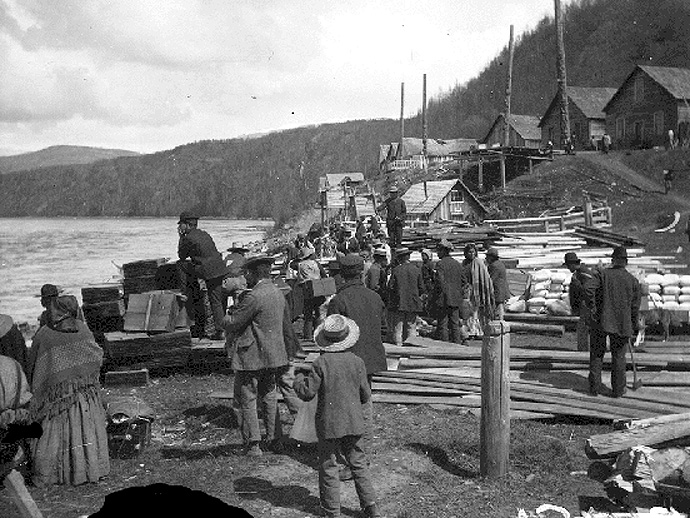
Gitxsan
Matrilineal Indigenous nation of the Skeena River region in British Columbia
The Gitxsan are an Indigenous people whose homeland covers much of the Skeena River basin in British Columbia, Canada. Numbering about 5,680 (2016 census), they are known for their matrilineal clans, deep connection to the land, and a culture rooted in the Pacific Northwest Coast traditions.
- Matrilineal clans: Frog, Eagle, Wolf, Fireweed
- Homeland covers 35,000 km² of the Skeena River basin
- Supreme Court affirmed their aboriginal title in 1997
- Gitxsanimaax is their traditional language
- 'Ksan museum showcases Gitxsan art and history
Who are the Gitxsan?
The Gitxsan are an Indigenous nation with a homeland along the upper Skeena River in British Columbia. Their society is organized around matrilineal clans—Frog, Eagle, Wolf, and Fireweed—each made up of independent Houses (Wilp) led by High Chiefs. The Gitxsan share cultural and historical ties with neighbouring Nisga'a and Wetʼsuwetʼen peoples. Their identity is rooted in their territory, kinship, and a long tradition of governance and art. The Gitxsan have maintained their distinct language, customs, and social structure for thousands of years.
Where do the Gitxsan live?
Gitxsan territory stretches across about 35,000 square kilometers of the upper Skeena River basin, from Legate Creek to the river’s headwaters and surrounding tributaries. This region, known as the Skeena Country, is characterized by rivers, forests, and mountains. The land supports salmon runs and rich biodiversity, which are central to Gitxsan life. Many Gitxsan continue to live in their traditional villages, while others reside in nearby towns or cities in British Columbia.
What language do the Gitxsan speak?
The Gitxsan speak Gitxsanimaax, a language belonging to the Tsimshianic family. English is also widely spoken. Gitxsanimaax remains a key part of cultural identity, though like many Indigenous languages, it faces challenges from declining numbers of fluent speakers. Efforts to revitalize and teach the language continue in Gitxsan communities.
How do the Gitxsan live?
Fishing, especially for salmon, has long been central to Gitxsan life, with traditional fishing sites managed by clans and Houses. Craftwork, including carving and art, is highly valued and visible in totem poles and ceremonial objects. Today, many Gitxsan also work in nearby towns or cities, combining traditional practices with wage labour. The community maintains a museum, 'Ksan, to display and teach about Gitxsan art and history.
How is Gitxsan society organised?
Gitxsan society is matrilineal, meaning descent and inheritance pass through the mother’s line. The four main clans—Frog, Eagle, Wolf, and Fireweed—are divided into Houses, each led by a High Chief. Marriage within the same clan is forbidden. Houses hold traditional territories and fishing sites, and governance is based on hereditary leadership and consensus. Social life is organized around feasts and ceremonies, which reinforce kinship and rights to land.
What do the Gitxsan believe?
The Gitxsan practice Indigenous spirituality, with beliefs and rituals closely tied to the land and salmon cycles. Ceremonial feasts, or potlatches, play a central role in social and spiritual life, marking important events and affirming rights. Art, including totem poles and carving, expresses clan histories and spiritual beliefs. The 'Ksan museum preserves and shares these traditions.
The history of the Gitxsan
Archaeological evidence shows the Gitxsan have lived in the Skeena River region for at least 10,000 years. Their culture developed as part of the broader Pacific Northwest Coast civilization, though their territory lies inland. The Gitxsan have long-standing relationships with neighbouring Nisga'a and Wetʼsuwetʼen peoples. In 1997, the Supreme Court of Canada affirmed Gitxsan aboriginal title rights in the Delgamuukw decision, though no treaty has yet been reached with federal or provincial governments.
Gitxsan life today
About 5,680 Gitxsan live in British Columbia, many in traditional territory and others in towns or cities. They continue to assert land rights and maintain their language and culture. The community faces pressures from resource development and ongoing treaty negotiations. Revitalization efforts focus on language, art, and governance, supported by institutions like the 'Ksan museum.
Questions people ask about the Gitxsan
Where do the Gitxsan live?
The Gitxsan live mainly in the upper Skeena River basin in British Columbia, Canada, with some members also residing in towns like Terrace, Smithers, and Vancouver.
How many Gitxsan are there?
There are about 5,680 Gitxsan people, according to the 2016 Canadian census.
What language do the Gitxsan speak?
The Gitxsan speak Gitxsanimaax, a Tsimshianic language, and also use English.
How is Gitxsan society organized?
Gitxsan society is matrilineal, organized into four main clans and independent Houses, each led by a High Chief. Marriage within the same clan is not allowed.
What is the significance of the Delgamuukw decision?
The 1997 Delgamuukw decision by the Supreme Court of Canada affirmed the aboriginal title rights of the Gitxsan and Wetʼsuwetʼen peoples, though a treaty has not yet been reached.
Sources and further reading
This page was written with AI assistance from the sources above and checked automatically before publishing. It may contain mistakes, and it is no substitute for hearing from the Gitxsan themselves. If something is wrong, tell us. Last refreshed 2026-10-02.
Neighbours in Canada
All peoples of Canada Jewsיהודים
🇮🇱 Israel and 11 moreAn ethnoreligious group with ancient roots in Israel and a global presence today
About 15 million
Jewsיהודים
🇮🇱 Israel and 11 moreAn ethnoreligious group with ancient roots in Israel and a global presence today
About 15 million
 AssyriansĀṯūrāyē / Suryoye / Suryāyē
🇮🇶 Iraq and 14 moreAn indigenous Christian people of northern Mesopotamia, speaking Neo-Aramaic.
About 1.2 million, Semitic
AssyriansĀṯūrāyē / Suryoye / Suryāyē
🇮🇶 Iraq and 14 moreAn indigenous Christian people of northern Mesopotamia, speaking Neo-Aramaic.
About 1.2 million, Semitic
 Inuitᐃᓄᐃᑦ
🇨🇦 Canada and 3 moreIndigenous Arctic people of Greenland, Canada, Alaska, and Chukotka
About 155,000, Eskaleut (Eskimo–Aleut)
Inuitᐃᓄᐃᑦ
🇨🇦 Canada and 3 moreIndigenous Arctic people of Greenland, Canada, Alaska, and Chukotka
About 155,000, Eskaleut (Eskimo–Aleut)
 ApacheIndé
🇺🇸 United States and 2 moreSouthern Athabaskan-speaking peoples of the US Southwest and northern Mexico
About 195,000, Athabaskan
ApacheIndé
🇺🇸 United States and 2 moreSouthern Athabaskan-speaking peoples of the US Southwest and northern Mexico
About 195,000, Athabaskan