Waitaha
An early Māori iwi of New Zealand's South Island, now part of Ngāi Tahu
Waitaha were an early Māori iwi (tribe) who lived in the South Island of New Zealand. From the 16th century, they were largely absorbed through marriage and conquest by Ngāti Māmoe and later Ngāi Tahu. Today, people of Waitaha descent are represented within Ngāi Tahu.
Who were the Waitaha?
Waitaha were one of the earliest Māori iwi to settle in the South Island of New Zealand. Their identity was shaped by shared ancestry, stories, and connections to the land. Waitaha was itself a grouping of several ancient iwi, including hapū (sub-tribes) such as Kāti Rākai. Over time, Waitaha became known for their ancestral links to the South Island and their role in the early history of Māori settlement in the region.
Where did the Waitaha live?
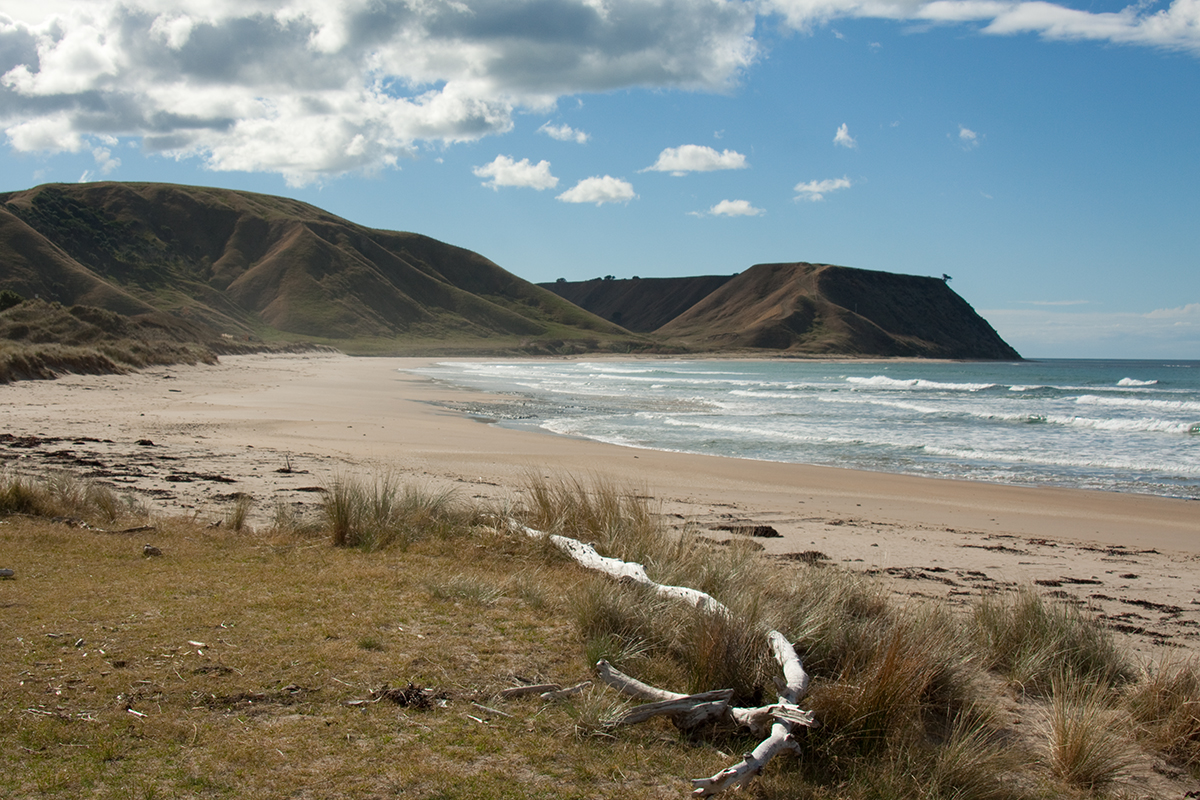
The Waitaha lived across the South Island, in places such as Banks Peninsula, the Southern Alps, and along major rivers and lakes. Their pā (fortified villages) were located near Lake Te Anau, Taerutu Lagoon, Mata-au, Oamaru, and Lake Wakatipu. The landscape includes mountains, rivers, and coastal areas, which were important for travel, settlement, and food gathering.
How was Waitaha society organised?
Waitaha society was organized into iwi and hapū, with kinship and descent traced through ancestors like Rākaihautū. Marriage, alliances, and leadership roles were important in maintaining unity and identity. Over generations, Waitaha intermarried with other groups, especially Ngāti Māmoe and later Ngāi Tahu, leading to the blending and absorption of their descendants into these iwi. Chiefs and notable ancestors are remembered in oral histories.
The history of the Waitaha
Waitaha trace their origins to ancestors who arrived from Eastern Polynesia aboard the Uruaokapuarangi waka, led by Rākaihautū. Traditional stories tell how Rākaihautū and his kin traveled through the South Island, naming places and creating lakes and waterways. From the 16th century, Waitaha were gradually absorbed by Ngāti Māmoe and later by Ngāi Tahu through marriage and conquest. By the 17th and 18th centuries, the distinct Waitaha iwi had largely merged into Ngāi Tahu, though their ancestral stories and names remain important in the region.
What became of the Waitaha?
Today, those of Waitaha descent are part of the Ngāi Tahu iwi. Their history is remembered through oral tradition, place names, and cultural organizations. Some groups and councils use the name Waitaha to acknowledge ancient links to the land, especially in Canterbury. The Waitaha identity is preserved within the broader Ngāi Tahu community.
Questions people ask about the Waitaha
Where did the Waitaha live?
The Waitaha lived in New Zealand, in the South Island of New Zealand.
Sources and further reading
This page was written with AI assistance from the sources above and checked automatically before publishing. It may contain mistakes, and it is no substitute for hearing from the Waitaha themselves. If something is wrong, tell us. Last refreshed 2026-10-02.
Neighbours in New Zealand
All peoples of New Zealand Tāmaki Māori
🇳🇿 New ZealandMāori tribes and sub-tribes with ancestral ties to Auckland (Tāmaki Makaurau)
Tāmaki Māori
🇳🇿 New ZealandMāori tribes and sub-tribes with ancestral ties to Auckland (Tāmaki Makaurau)
 Samoanstagata Sāmoa
🇼🇸 Samoa and 11 moreIndigenous Polynesians of the Samoan Islands, united by language and tradition
About 750,000, Polynesian
Samoanstagata Sāmoa
🇼🇸 Samoa and 11 moreIndigenous Polynesians of the Samoan Islands, united by language and tradition
About 750,000, Polynesian
 Cook Islands Māori
🇳🇿 New Zealand and 1 moreIndigenous Polynesian people of the Cook Islands, now mostly living in New Zealand and Australia
About 110,000, Austronesian, Eastern Polynesian
Cook Islands Māori
🇳🇿 New Zealand and 1 moreIndigenous Polynesian people of the Cook Islands, now mostly living in New Zealand and Australia
About 110,000, Austronesian, Eastern Polynesian
 Ngāi Tahu
🇳🇿 New ZealandThe principal Māori iwi of New Zealand's South Island
About 85,000, Austronesian
Ngāi Tahu
🇳🇿 New ZealandThe principal Māori iwi of New Zealand's South Island
About 85,000, Austronesian