Shekak
A Kurdish tribe of West Azerbaijan and surrounding regions
The Shekak are a Kurdish tribe mainly found in West Azerbaijan province, Iran, with communities in Turkey and historically in Azerbaijan. They are known for their warrior tradition, involvement in regional conflicts, and their role in the history of Kurdish resistance and relations with ruling dynasties.
- Mainly found in West Azerbaijan province, Iran
- Also present in Şırnak and Tunceli provinces, Turkey
- First mentioned in a Yazidi manuscript from 1207/1208 AD
- Known for their warrior tradition and tribal chieftains
- Simko Shikak led a major rebellion in the early 20th century
Who are the Shekak?
The Shekak are a Kurdish tribe with a long history in the region of West Azerbaijan, Iran, and neighboring areas. Their identity is shaped by shared ancestry, oral history, and a tradition of tribal leadership. The tribe includes several clans, such as the 'Awdoǐ or Evdoyî, and is known for its strong warrior reputation. The Shekak have played important roles in regional politics and conflicts, maintaining their cohesion through kinship ties and collective memory.
Where do the Shekak live?
The Shekak homeland centers on West Azerbaijan province in Iran, with extensions into Şırnak and Tunceli provinces in Turkey and historical presence in East Azerbaijan. Their territory includes villages and rural areas, stretching from Biyan in the north to Amkan in the west, Cûmê in the south, and Ezaz in the east. The landscape is varied, with mountains, rivers, and fertile valleys supporting village life.
What language do the Shekak speak?
The main language of the Shekak is Kurdish. Some segments of the tribe, particularly Turkic-speaking Shia groups, historically lived in East Azerbaijan province. The use of Kurdish remains central to their identity, and oral tradition plays a significant role in preserving their history and culture.
How is Shekak society organised?
Shekak society is organized around tribal and clan structures. Leadership has traditionally been held by chieftains, often from prominent families such as the 'Awdoǐ. Family ties, descent, and oral history are important in maintaining group cohesion. Decision-making often centers on the authority of the chieftain and elders, with respect for lineage and tribal customs guiding social relations and alliances.
What do the Shekak believe?
The Shekak have historical connections to the Yazidi faith, as mentioned in early manuscripts, but the sources do not detail current religious practices. Rituals, oral storytelling, and respect for ancestral leaders are important aspects of their cultural life. Art, music, and dress are not described in the sources.
The history of the Shekak
The Shekak are first recorded in a Yazidi manuscript from the early 13th century. They appear in Kurdish and Ottoman sources, including the Sharafnama and 16th-century tax registers, as a significant tribal group in Hakkâri and other regions. In the 17th century, the 'Awdoǐ clan migrated from Diyarbakır and settled west of Lake Urmia. The Shekak played notable roles in regional conflicts, including resistance against Qajar and later Iranian authorities. Simko Shikak led a major rebellion and was involved in violent events affecting Assyrian and Azerbaijani communities before his death in 1930.
Shekak life today
Today, the Shekak live mainly in Iran's West Azerbaijan province and in several villages in Turkey. Their numbers are not specified in the sources. The tribe continues to maintain its identity through clan ties and oral tradition. While their political influence has changed, the Shekak remain a recognized Kurdish tribal group in the region.
Questions people ask about the Shekak
Where do the Shekak live?
The Shekak mainly live in West Azerbaijan province, Iran, and also in villages in Şırnak and Tunceli provinces, Turkey.
How many Shekak are there?
The sources do not specify the current population of the Shekak tribe.
What language do the Shekak speak?
The Shekak primarily speak Kurdish. Some Turkic-speaking Shia groups were historically part of the tribe in East Azerbaijan.
What are the Shekak known for?
They are known for their warrior tradition, tribal leadership, and involvement in regional conflicts, including resistance against Iranian authorities.
What is the history of the Shekak tribe?
The Shekak have been recorded since the 13th century, played roles in Kurdish and Ottoman history, and were led by notable chieftains such as Simko Shikak.
Sources and further reading
This page was written with AI assistance from the sources above and checked automatically before publishing. It may contain mistakes, and it is no substitute for hearing from the Shekak themselves. If something is wrong, tell us. Last refreshed 2026-10-02.
Neighbours in Iran
All peoples of Iran Magi
🇮🇷 Iran and 1 morePriestly caste of Zoroastrianism with ancient roots in Iran
Magi
🇮🇷 Iran and 1 morePriestly caste of Zoroastrianism with ancient roots in Iran
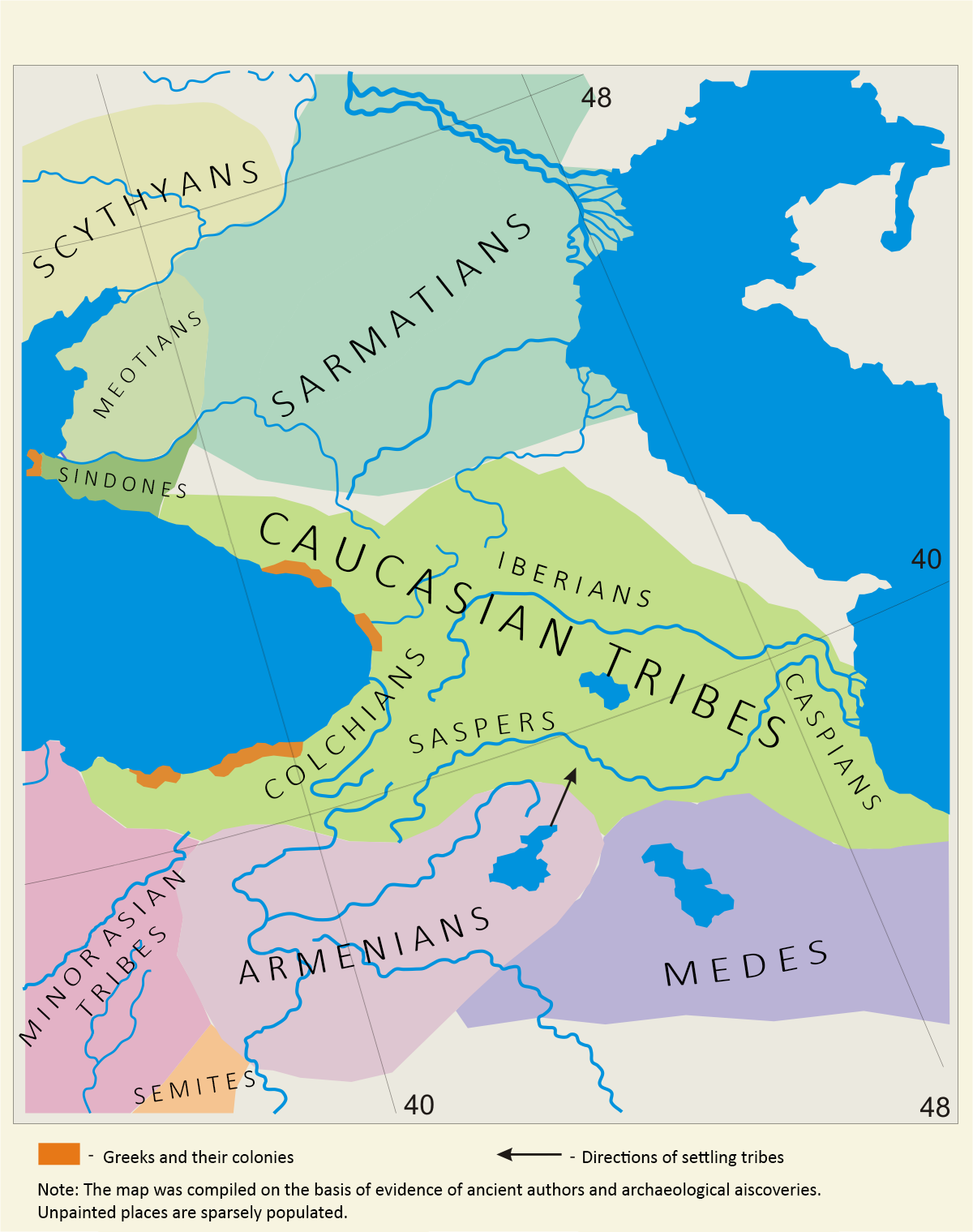 Caspians
🇦🇿 Azerbaijan and 1 moreAncient people of the southwestern Caspian Sea region
Historical
Caspians
🇦🇿 Azerbaijan and 1 moreAncient people of the southwestern Caspian Sea region
Historical
 Alchon Huns
🇮🇳 India and 3 moreNomadic conquerors of Central Asia and northern India in late antiquity
Historical
Alchon Huns
🇮🇳 India and 3 moreNomadic conquerors of Central Asia and northern India in late antiquity
Historical
 Al Qasimi
🇦🇪 United Arab Emirates and 3 moreArab tribe and dynasty ruling Sharjah and Ras Al Khaimah in the UAE
Al Qasimi
🇦🇪 United Arab Emirates and 3 moreArab tribe and dynasty ruling Sharjah and Ras Al Khaimah in the UAE