
Mari
They call themselves мари / Марий-влак
Finno-Ugric people of the Volga and Kama rivers, Russia
The Mari are a Finno-Ugric people native to the Volga and Kama river regions in Russia, mainly in the republic of Mari El. Numbering around 600,000, they are known for their distinct language, traditional nature-based religion, and a history of resilience through periods of Russification and cultural revival.
Who are the Mari?
The Mari are an indigenous Finno-Ugric people who have lived for centuries along the Volga and Kama rivers in Eastern Europe, especially in the Mari El republic of Russia. They are held together by a shared language, a strong sense of identity, and traditions rooted in their connection to the land and nature. The Mari have several subgroups, including Meadow Mari, Hill Mari, Eastern Mari, and Northwestern Mari, each with its own dialect and local customs. Despite historical pressures, their culture and beliefs remain central to community life.
Where do the Mari live?
The Mari homeland lies in the forested lowlands and river valleys of the Volga and Kama, with the heartland in the Mari El republic. The region is marked by mixed forests, rivers, and fertile fields, supporting both farming and fishing. The landscape is deeply woven into Mari spiritual beliefs, with sacred groves and natural sites playing a key role in rituals and community gatherings. Smaller Mari communities are also found in neighboring regions such as Bashkortostan, Perm Krai, and Tatarstan.
What language do the Mari speak?
The Mari language is part of the Uralic family and has several main dialects: Meadow Mari, Hill Mari, Eastern Mari, and Northwestern Mari. Meadow Mari is the most widely spoken. Both Meadow and Hill Mari have official status in Mari El and are taught in schools, though both are considered endangered. Russian is also widely used. The language is central to Mari identity, but assimilation and Russification have led to a decline in speakers, especially among diaspora groups.
How do the Mari live?
Traditionally, the Mari have relied on farming and fishing, making use of the fertile river valleys and forests. They grow crops, keep livestock, and fish in the rivers. Craftwork, such as wood carving and making musical instruments like the kusle (a many-stringed zither), is also important. In modern times, many Mari work in towns and cities, taking up wage labor and participating in local industries. Their homes and tools reflect a blend of traditional and contemporary influences.
How is Mari society organised?
Mari society is organized around family and local community ties. Clans and extended families play a role in social life, and traditional customs guide marriage and kinship. Decision-making has often involved elders and respected community members. While modern administration has influenced social structures, many Mari still observe rituals and festivals that reinforce group identity and cohesion. The preservation of language and tradition is a shared concern.


What do the Mari believe?
The Mari are known for their traditional religion, which centers on a deep respect for nature and a pantheon of gods led by the Great White God. Sacred groves and natural sites are places for rituals and offerings. Many Mari today practice a syncretic faith, blending ancient beliefs with Eastern Orthodox Christianity. Music, especially with instruments like the kusle and shyuvr (bagpipe), and poetry are important in cultural expression. Traditional dress and festivals remain part of community life.
The history of the Mari
The Mari have lived in the Volga-Kama region since at least the 10th century, with possible earlier mentions in historical texts. They came under the rule of various states, including Volga Bulgaria, the Golden Horde, and the Kazan Khanate. Russian conquest in the 16th century led to wars, forced Christianization, and migration eastward. Under Soviet rule, the Mari faced harsh Russification, loss of language rights, and repression of cultural leaders. Despite these pressures, they maintained their identity and revived cultural practices after the Soviet period.
Mari life today
Today, the Mari number around 600,000, with most living in Mari El and others in neighboring regions and countries. While there has been a revival of language and culture since the 1990s, recent policies in Mari El have renewed pressures toward assimilation and reduced the use of Mari in schools and public life. Many Mari continue to practice their traditional religion, and community organizations work to preserve their heritage amid ongoing challenges.
Questions people ask about the Mari
Where do the Mari live?
The Mari live in Russia, Kazakhstan, Ukraine, Belarus, Estonia and Latvia, in the Volga and Kama river regions, especially Mari El republic.
How many Mari people are there?
Our sources give the Mari population as about 600,000 (2024 estimate). Counts of peoples vary with who is counted and when.
What language do the Mari speak?
The Mari speak Mari (Hill Mari, Meadow Mari, Eastern Mari, Northwestern Mari), which belongs to the Uralic family of languages.
How do the Mari make a living?
The Mari are known for settled farming, fishing and the sea, towns and wage work and craft and trade. Like most peoples, they combine several ways of making a living, and these have changed over time.
Sources and further reading
- Mari people on WikipediaEncyclopedia
- Encyclopaedia BritannicaArticle
- More photos on Wikimedia CommonsPhotos
- Wikidata recordOpen data
This page was written with AI assistance from the sources above and checked automatically before publishing. It may contain mistakes, and it is no substitute for hearing from the Mari themselves. If something is wrong, tell us. Last refreshed 2026-10-02.
Neighbours in Russia
All peoples of Russia Sámisámit
🇳🇴 Norway and 3 moreIndigenous reindeer herders and fishers of northern Fennoscandia and Russia
About 80,000, Uralic
Sámisámit
🇳🇴 Norway and 3 moreIndigenous reindeer herders and fishers of northern Fennoscandia and Russia
About 80,000, Uralic
 UdmurtsУдмуртъёс
🇷🇺 Russia and 2 moreFinno-Ugric people of Udmurtia and the Volga-Ural region
About 396,000, Uralic
UdmurtsУдмуртъёс
🇷🇺 Russia and 2 moreFinno-Ugric people of Udmurtia and the Volga-Ural region
About 396,000, Uralic
 Karelianskarjalaižet
🇷🇺 Russia and 7 moreIndigenous Finnic people of Karelia, now in Russia and Finland
About 43,000, Uralic
Karelianskarjalaižet
🇷🇺 Russia and 7 moreIndigenous Finnic people of Karelia, now in Russia and Finland
About 43,000, Uralic
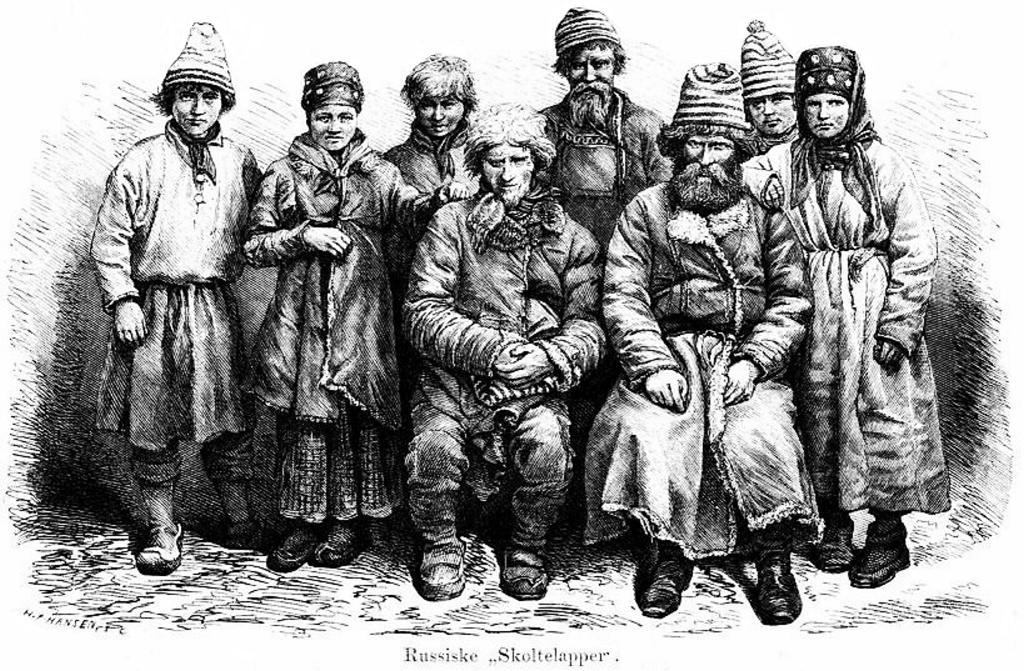 SkoltsSäʹmmla / Nuõrttsääʹm
🇫🇮 Finland and 2 moreIndigenous Sámi of the borderlands of Finland, Russia, and Norway
About 1,000, Uralic
SkoltsSäʹmmla / Nuõrttsääʹm
🇫🇮 Finland and 2 moreIndigenous Sámi of the borderlands of Finland, Russia, and Norway
About 1,000, Uralic