![Sia [Zia] buffalo dancer (The North American Indian; v.16) SUMMARY Description by Edward S. Curtis: The Buffalo dance of the Keres is almost exactly the same as that of the Tewa. The performers are two young men with hea](https://upload.wikimedia.org/wikipedia/commons/4/4b/Zia_dancer.jpg)
Zia
They call themselves Tsʾíiyʾamʾé
Pueblo people of New Mexico known for their sun symbol and pottery
The Zia are a Pueblo people centered at Zia Pueblo in New Mexico, United States. Numbering about 850, they are known for their pottery and for the sacred sun symbol, which appears on the New Mexico state flag. The Zia speak Eastern Keres and maintain traditions rooted in farming, ceremony, and art.
- The Zia sun symbol appears on the New Mexico state flag.
- Zia pottery is tempered with basalt and painted with sacred motifs.
- They practice dry farming and communal agriculture in the desert.
- The Zia speak Eastern Keres, a Keresan language.
- Their pueblo homes are built from adobe and accessed by ladders.
Who are the Zia?
The Zia are one of the Keres-speaking Pueblo peoples of New Mexico. Their community is centered at Zia Pueblo, also called Tsi'ya, on a reservation in the Jemez River Valley. The Zia are united by their language, Eastern Keres, and by shared traditions in farming, pottery, and religious ceremony. Their sun symbol is widely recognized and holds deep spiritual meaning. The Zia maintain a strong sense of identity through their art, architecture, and communal life.
Where do the Zia live?
The Zia live in the arid Jemez River Valley of north-central New Mexico. Their land is characterized by desert climate, limited rainfall, and proximity to rivers and streams. The landscape has shaped their ways of farming and building, with adobe homes adapted to the environment. The pueblo itself is built with traditional materials and techniques, reflecting centuries of adaptation to the high desert.
What language do the Zia speak?
The Zia speak Eastern Keres, a language of the Keresan family. This language connects them to other Keres-speaking Pueblo communities. English and Spanish are also spoken, but Eastern Keres remains important for ceremony and daily life. The language is passed down within families and is a key part of Zia identity.
How do the Zia live?
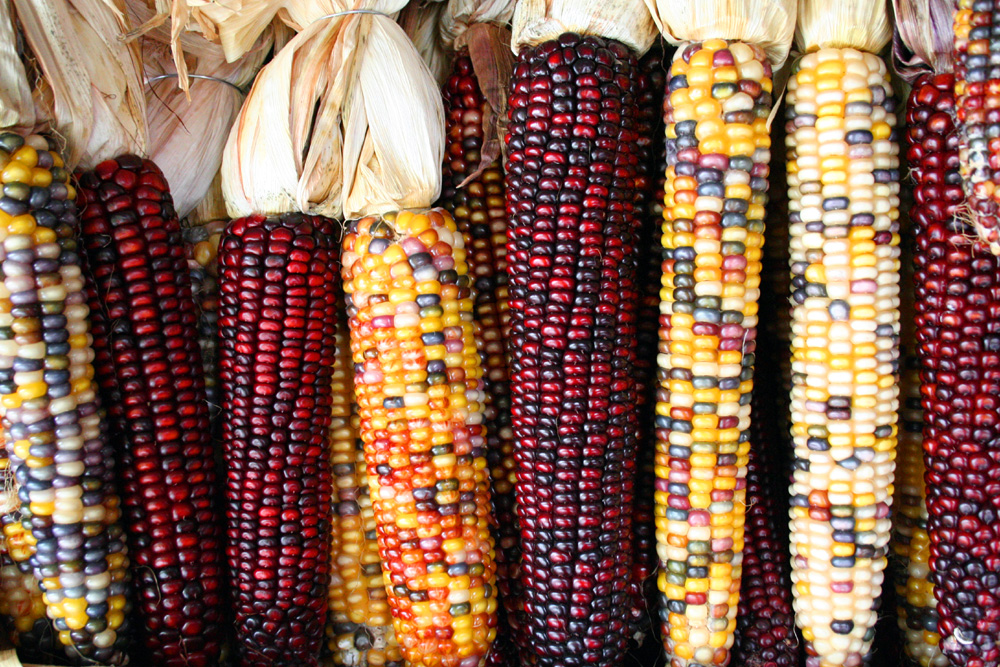
Farming is central to Zia life, with corn, beans, and squash—the 'three sisters'—as staple crops. The Zia use dry farming, crop rotation, and irrigation from streams to cope with scarce rainfall. Women grind corn for flour and bake tortillas, while men hunt small and large game when available. Adobe pueblo homes are built from local clay, sand, and organic materials, with multi-story structures accessed by ladders. Pottery, made mainly by women, is a vital craft and trade item, recognized for its unique basalt temper and painted designs.
How is Zia society organised?
Zia society is organized around communal farming and shared responsibilities. Families contribute to common fields and maintain individual gardens. Social life centers on the pueblo, with decisions made collectively and traditions maintained through ritual and daily practice. Marriage, family, and clan ties are important, and women play a central role in pottery and food preparation.
What do the Zia believe?
The Zia hold traditional Pueblo beliefs, centered on spirits called kachinas. Kachinas are honored in ceremonies and dances, where participants ask for rain and blessings for crops. The sun is sacred, symbolized by the Zia sun symbol with four groups of rays, representing directions, seasons, times of day, and stages of life. Pottery and art often feature religious and natural motifs. Music, dance, and ritual are woven into daily and ceremonial life.
The history of the Zia
The Zia trace their ancestry to the Ancestral Puebloans, migrating to the Jemez River Valley in the 13th century. Spanish explorers first encountered them in 1583, and colonial rule brought suppression of traditional ceremonies and forced labor. The Zia joined the Pueblo Revolt of 1680, temporarily expelling the Spanish. In 1689, Spanish forces attacked Zia Pueblo, causing heavy loss of life and captivity. By 1692, only about 120 Zia remained. Despite these hardships, the community rebuilt and preserved its traditions.
Zia life today
Today, the Zia number about 850 and continue to live at Zia Pueblo. Their sun symbol is widely used in New Mexico, though concerns about cultural appropriation have led to calls for respectful use. Pottery remains an important art and economic activity. The Zia maintain their language, ceremonies, and communal life, while facing modern pressures and working to preserve their heritage.
Questions people ask about the Zia
Where do the Zia live?
The Zia live at Zia Pueblo in the Jemez River Valley of New Mexico, United States.
How many Zia people are there?
There are about 850 Zia people, according to recent sources.
What language do the Zia speak?
The Zia speak Eastern Keres, a Keresan language, and also use English and Spanish.
What are the Zia known for?
The Zia are known for their pottery and their sacred sun symbol, which appears on the New Mexico state flag.
What is the Zia sun symbol?
The Zia sun symbol is a red circle with four groups of rays, representing sacred directions, seasons, times of day, and stages of life.
Sources and further reading
- Zia people (New Mexico) on WikipediaEncyclopedia
- Encyclopaedia BritannicaArticle
- More photos on Wikimedia CommonsPhotos
- Wikidata recordOpen data
This page was written with AI assistance from the sources above and checked automatically before publishing. It may contain mistakes, and it is no substitute for hearing from the Zia themselves. If something is wrong, tell us. Last refreshed 2026-10-02.
Neighbours in the United States
All peoples of the United States Kewa PuebloKewa
🇺🇸 United StatesA Keres-speaking Pueblo community in northern New Mexico
About 2,000, Keresan
Kewa PuebloKewa
🇺🇸 United StatesA Keres-speaking Pueblo community in northern New Mexico
About 2,000, Keresan
 San Felipe PuebloKatishtya
🇺🇸 United StatesA Keres-speaking Pueblo community along the Rio Grande in New Mexico
About 3,000, Keresan
San Felipe PuebloKatishtya
🇺🇸 United StatesA Keres-speaking Pueblo community along the Rio Grande in New Mexico
About 3,000, Keresan
 ZiaTsi'ya
🇺🇸 United StatesA Keres-speaking Pueblo community in Sandoval County, New Mexico
About 760, Keresan
ZiaTsi'ya
🇺🇸 United StatesA Keres-speaking Pueblo community in Sandoval County, New Mexico
About 760, Keresan
 Santa Ana PuebloTamaya
🇺🇸 United StatesKeres-speaking Pueblo community in the Rio Grande valley of New Mexico
About 673, Keresan
Santa Ana PuebloTamaya
🇺🇸 United StatesKeres-speaking Pueblo community in the Rio Grande valley of New Mexico
About 673, Keresan
