Beni Hassan
Bedouin Arab tribe of Western Sahara, Mauritania, Morocco, and Algeria
The Beni Hassan are a Bedouin Arab tribe living mainly in Western Sahara, Mauritania, Morocco, and Algeria. They speak Hassaniya Arabic and trace their roots to Arabian tribes that migrated to North Africa in the 11th century. The Beni Hassan are known for their historical dominance in the Sahara and for shaping the region's social structure.
- Descended from Arabian tribes who migrated in the 11th century
- Speak Hassaniya Arabic, now common in Mauritania and Western Sahara
- Historically dominated the Sanhaja Berber tribes after the Char Bouba War
- Established emirates that shaped Mauritania's social structure
- Their hierarchy led to oppression and discrimination of other groups
Who are the Beni Hassan?
The Beni Hassan are a Bedouin Arab tribe whose members live across Western Sahara, Mauritania, Morocco, and Algeria. Their identity is rooted in a shared ancestry that traces back to the Banu Maqil, an Arab group that migrated from South Arabia to North Africa in the 11th century. Over centuries, the Beni Hassan became known for their warrior traditions and their role in shaping the social and cultural landscape of the Sahara. Their language, Hassaniya Arabic, and their tribal hierarchy remain central to their sense of unity and distinction in the region.
Where do the Beni Hassan live?
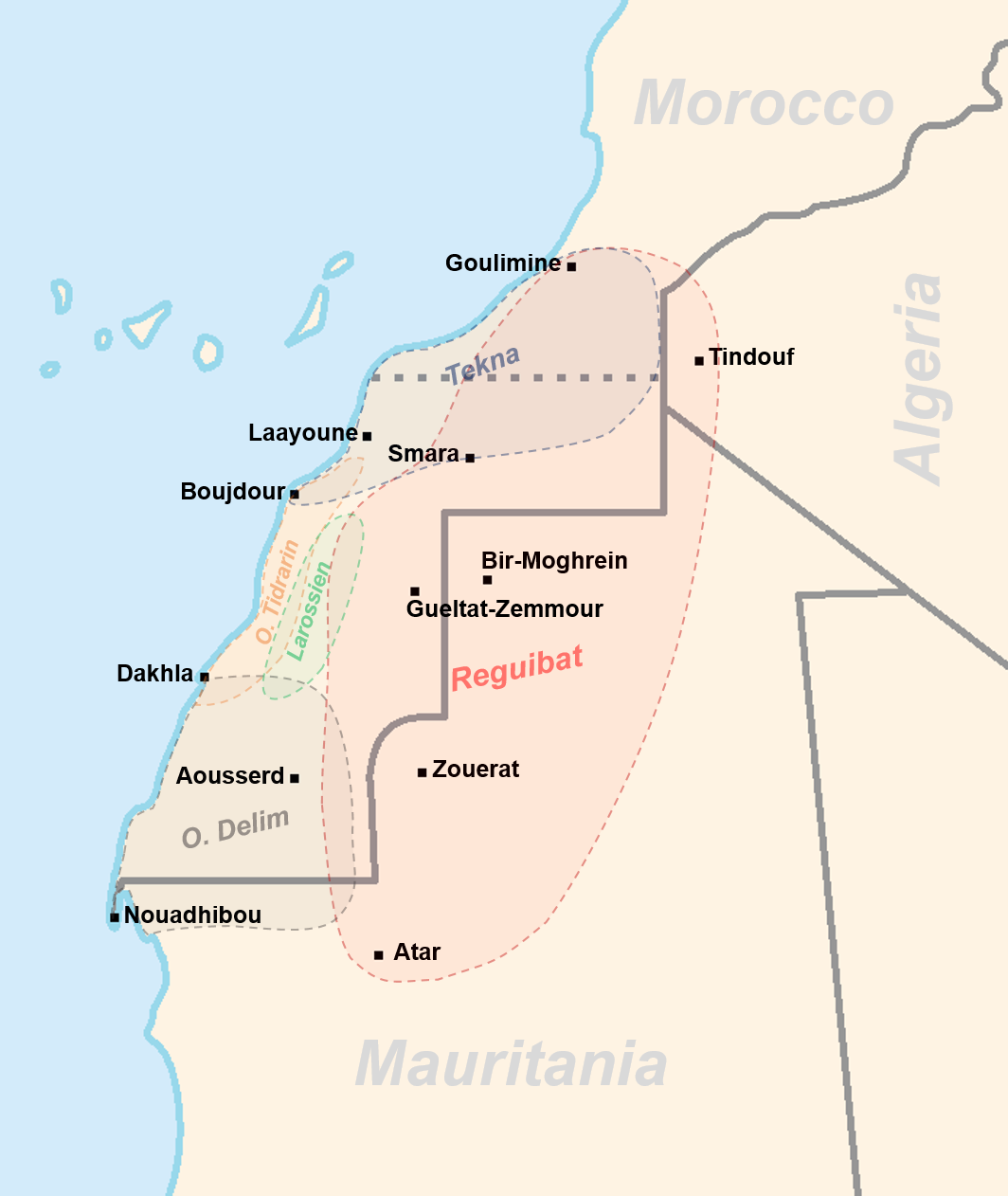
The Beni Hassan inhabit the arid and semi-arid lands of the southwest Sahara, stretching from Western Sahara and Mauritania into parts of Morocco and Algeria. This region is characterized by vast desert plains, oases, and river valleys such as the Senegal Valley. The landscape has influenced their nomadic and semi-nomadic way of life, with herding and movement between oases being central to their survival and culture.
What language do the Beni Hassan speak?
The Beni Hassan speak Hassaniya Arabic, a dialect that developed from the Arabic brought by their ancestors. Hassaniya Arabic is now widely spoken in Mauritania and Western Sahara. The spread of this language is closely linked to the tribe's historical dominance in the region, and it remains a key marker of identity for the Beni Hassan and related groups.
How do the Beni Hassan live?
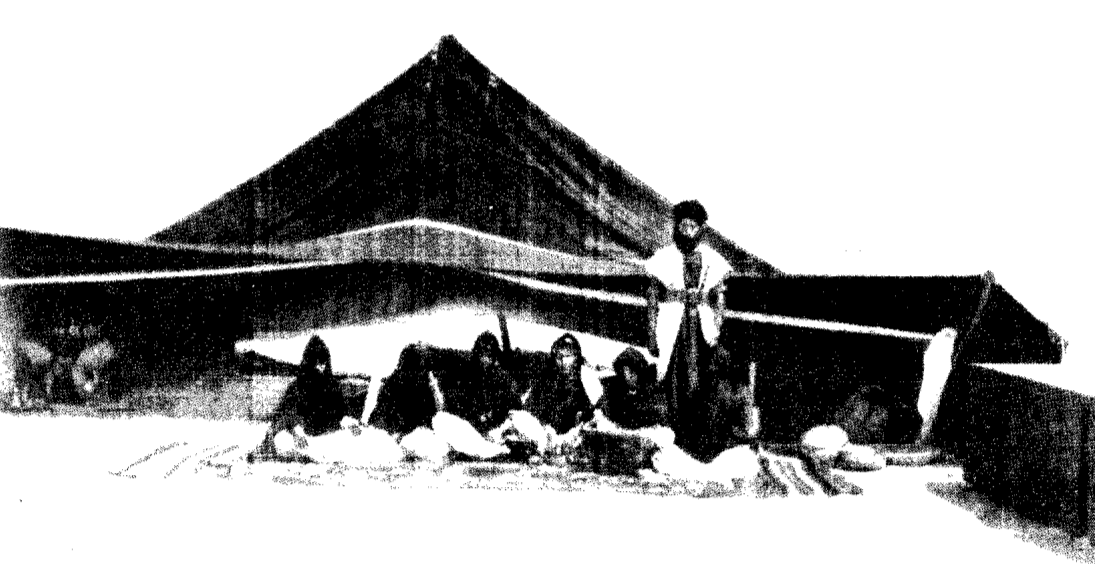
Traditionally, the Beni Hassan have made their living through herding livestock across the desert, farming in oases, and fishing along river valleys. Some have also engaged in wage labor and trade, especially as towns and cities have grown. Their nomadic heritage is reflected in their use of tents and portable tools, though many now live in settled communities. The harsh environment requires resourcefulness and adaptation to seasonal changes.
How is Beni Hassan society organised?
Beni Hassan society is organized into clans and lineages, with descent traced through male ancestors. Leadership and decision-making have historically been in the hands of warrior elites, who maintained authority over other groups in the region. Social hierarchy, shaped by centuries of conquest and settlement, remains important. Marriage often reinforces clan alliances, and tribal customs guide many aspects of daily life.

What do the Beni Hassan believe?
The Beni Hassan are Sunni Muslims, and Islamic beliefs and practices are central to their culture. Religious leaders (marabouts) have played significant roles, especially in education and spiritual guidance. Rituals, oral poetry, and music are part of their cultural expression. Traditional dress and art reflect both Arab and Saharan influences, with adaptations to the desert environment.
The history of the Beni Hassan
The Beni Hassan trace their origins to the Banu Maqil, who migrated from South Arabia to North Africa in the 11th century. In the 13th century, they conquered the Sanhaja Berber territories in the Sahara. Their dominance was solidified after the Char Bouba War in the 17th century, which led to the Arabization of the region and the subordination of Berber groups. The Beni Hassan established emirates and shaped the social hierarchy of Mauritania and Western Sahara. Their rule brought both cultural change and social divisions, including the oppression and enslavement of other groups. French colonization later reduced their political power, but their influence persists.
Beni Hassan life today
Today, the Beni Hassan and their descendants form a significant part of the population in Mauritania, Western Sahara, and neighboring regions. Their language and customs remain influential, though social hierarchies and past injustices continue to affect local societies. Many Beni Hassan now live in settled communities, but their Bedouin heritage is still valued. Pressures from modernization and political change shape their current situation.
Questions people ask about the Beni Hassan
Where do the Beni Hassan live?
The Beni Hassan live mainly in Western Sahara, Mauritania, Morocco, and Algeria, especially in the southwest Sahara region.
How many Beni Hassan are there?
The sources do not provide a specific population figure for the Beni Hassan.
What language do the Beni Hassan speak?
They speak Hassaniya Arabic, a dialect that developed from the Arabic brought by their ancestors.
What is the history of the Beni Hassan in the Sahara?
The Beni Hassan migrated from South Arabia in the 11th century, conquered Sanhaja Berber lands in the 13th century, and established dominance after the Char Bouba War in the 17th century.
What are the main ways the Beni Hassan make a living?
Traditionally, they have herded livestock, farmed in oases, fished, and engaged in wage labor and trade.
Sources and further reading
This page was written with AI assistance from the sources above and checked automatically before publishing. It may contain mistakes, and it is no substitute for hearing from the Beni Hassan themselves. If something is wrong, tell us. Last refreshed 2026-10-02.
Neighbours in Mauritania
All peoples of Mauritania BerbersImaziɣen
🇲🇦 Morocco and 8 moreIndigenous peoples of North Africa with deep roots in the Maghreb
About 25 million, Afroasiatic
BerbersImaziɣen
🇲🇦 Morocco and 8 moreIndigenous peoples of North Africa with deep roots in the Maghreb
About 25 million, Afroasiatic
 FulaniFulɓe
🇳🇬 Nigeria and 21 moreCattle herders and farmers spread across West and Central Africa
About 39 million, Atlantic-Congo (Niger-Congo)
FulaniFulɓe
🇳🇬 Nigeria and 21 moreCattle herders and farmers spread across West and Central Africa
About 39 million, Atlantic-Congo (Niger-Congo)
 Bedouinبدو
🇸🇦 Saudi Arabia and 15 moreNomadic and semi-nomadic Arab tribes of deserts from Arabia to North Africa
About 22 million, Afro-Asiatic
Wolof
🇸🇳 Senegal and 2 moreLargest ethnic group of Senegal, with deep roots in the Senegambia region
About 7.9 million, Niger–Congo, West Atlantic branch
Bedouinبدو
🇸🇦 Saudi Arabia and 15 moreNomadic and semi-nomadic Arab tribes of deserts from Arabia to North Africa
About 22 million, Afro-Asiatic
Wolof
🇸🇳 Senegal and 2 moreLargest ethnic group of Senegal, with deep roots in the Senegambia region
About 7.9 million, Niger–Congo, West Atlantic branch
