Ngāti Maniapoto
A large iwi of the Waikato-Waitomo region, part of the Tainui confederation
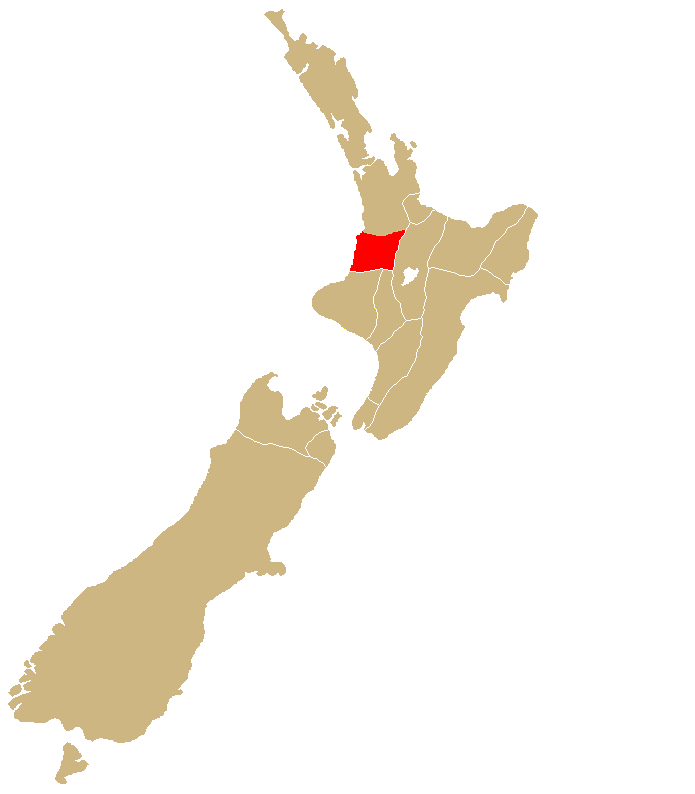
Ngāti Maniapoto is a Māori iwi (tribe) based in the Waikato-Waitomo region of New Zealand's North Island. With about 45,930 members (2018 census), they are one of the largest iwi and are known for their deep whakapapa (genealogy) ties to the Tainui waka and their significant marae and hapū.
Who are the Ngāti Maniapoto?
Ngāti Maniapoto is a Māori iwi, or tribe, whose members trace their ancestry to the ancestor Maniapoto and the Tainui waka. They are united by shared whakapapa (genealogy), history, and cultural practices, and are part of the wider Tainui confederation of tribes. The iwi is made up of many hapū (sub-tribes), each with their own marae (meeting grounds) and traditions. Their identity is closely linked to their ancestral lands in the Waikato-Waitomo region and their role in the history and society of Aotearoa New Zealand.
Where do the Ngāti Maniapoto live?
Ngāti Maniapoto's homeland lies in the Waikato-Waitomo region of New Zealand's North Island. This area includes river valleys, forests, and limestone caves, and is known for its rich natural resources and scenic landscapes. Key places include Te Kuiti in the King Country and the historic Kawhia Harbour, where their ancestors first settled after arriving on the Tainui waka. The region remains central to the iwi's identity and cultural life.
What language do the Ngāti Maniapoto speak?
Ngāti Maniapoto speak Māori, the Indigenous language of Aotearoa New Zealand. Māori is part of the Austronesian language family. While English is widely used, Māori remains important for cultural and ceremonial purposes, and efforts to maintain and revive the language continue within the iwi and across the country.
How is Ngāti Maniapoto society organised?
Ngāti Maniapoto is organized into many hapū, each linked by descent from common ancestors. These hapū maintain their own marae, which are central gathering places for ceremonies, meetings, and community life. Whakapapa, or genealogy, is a key part of identity, connecting members to their ancestors and land. Leadership is often based on descent and respected elders (kaumātua) play important roles in decision-making and maintaining traditions.
What do the Ngāti Maniapoto believe?
Traditional beliefs and practices remain significant for Ngāti Maniapoto, with marae serving as focal points for rituals, gatherings, and the transmission of knowledge. The iwi has a history of whare wānanga, or traditional study centers, where spiritual and cultural learning took place. Art, weaving, music, and oral history are important expressions of identity, and some members have become well-known artists, composers, and performers.
The history of the Ngāti Maniapoto
Ngāti Maniapoto trace their lineage to the ancestor Maniapoto, a descendant of the Tainui waka migrants who settled at Kawhia Harbour. Over generations, the iwi expanded into the southern Waikato region. The iwi played a significant role in New Zealand's history, including during the New Zealand Wars, when their lands and people were affected by colonial conflict. Their marae and hapū have long histories, and their leaders have been influential in Māori and national affairs.
Ngāti Maniapoto life today
Ngāti Maniapoto is one of the largest iwi in New Zealand, with nearly 46,000 members as of 2018. The iwi maintains a strong presence in its traditional homeland and continues to uphold its cultural heritage through marae, language, and community activities. Members are active in many fields, from education to the arts. The iwi faces ongoing challenges and opportunities related to land, rights, and cultural revival.
Questions people ask about the Ngāti Maniapoto
Where do the Ngāti Maniapoto live?
The Ngāti Maniapoto live in New Zealand, in the Waikato-Waitomo region, North Island.
How many Ngāti Maniapoto people are there?
Our sources give the Ngāti Maniapoto population as 45,930 (2018 New Zealand census). Counts of peoples vary with who is counted and when.
What language do the Ngāti Maniapoto speak?
The Ngāti Maniapoto speak Māori, which belongs to the Austronesian family of languages.
Sources and further reading
- Ngāti Maniapoto on WikipediaEncyclopedia
- More photos on Wikimedia CommonsPhotos
- Wikidata recordOpen data
This page was written with AI assistance from the sources above and checked automatically before publishing. It may contain mistakes, and it is no substitute for hearing from the Ngāti Maniapoto themselves. If something is wrong, tell us. Last refreshed 2026-10-02.
Neighbours in New Zealand
All peoples of New Zealand Ngāi Tahu
🇳🇿 New ZealandThe principal Māori iwi of New Zealand's South Island
About 85,000, Austronesian
Ngāi Tahu
🇳🇿 New ZealandThe principal Māori iwi of New Zealand's South Island
About 85,000, Austronesian
 Ngāpuhi
🇳🇿 New ZealandLargest Māori iwi of New Zealand's Northland region
About 184,000, Austronesian
Ngāpuhi
🇳🇿 New ZealandLargest Māori iwi of New Zealand's Northland region
About 184,000, Austronesian
 Ngāti Kahungunu
🇳🇿 New ZealandA major Māori iwi of New Zealand’s eastern North Island
About 82,000, Austronesian
Ngāti Kahungunu
🇳🇿 New ZealandA major Māori iwi of New Zealand’s eastern North Island
About 82,000, Austronesian
 Ngāti Porou
🇳🇿 New ZealandA large Māori iwi from the East Cape and Gisborne regions of New Zealand
About 102,000, Austronesian
Ngāti Porou
🇳🇿 New ZealandA large Māori iwi from the East Cape and Gisborne regions of New Zealand
About 102,000, Austronesian
Other Austronesian speakers
See them all MalaysOrang Melayu
🇲🇾 Malaysia and 4 moreAustronesian people of the Malay Peninsula, Sumatra, Borneo and nearby islands
About 30 million, Austronesian
MalaysOrang Melayu
🇲🇾 Malaysia and 4 moreAustronesian people of the Malay Peninsula, Sumatra, Borneo and nearby islands
About 30 million, Austronesian
 Minangkabaubangso Minangkabau
🇮🇩 Indonesia and 3 moreMatrilineal Muslim society from the highlands of West Sumatra
About 6.6 million, Austronesian
Minangkabaubangso Minangkabau
🇮🇩 Indonesia and 3 moreMatrilineal Muslim society from the highlands of West Sumatra
About 6.6 million, Austronesian
 Sundaneseᮅᮛᮀ ᮞᮥᮔ᮪ᮓ (Urang Sunda)
🇮🇩 Indonesia and 3 moreThe native people of western Java, Indonesia, known for their language and traditions
About 42 million, Austronesian
Sundaneseᮅᮛᮀ ᮞᮥᮔ᮪ᮓ (Urang Sunda)
🇮🇩 Indonesia and 3 moreThe native people of western Java, Indonesia, known for their language and traditions
About 42 million, Austronesian
 Balineseanak Bali
🇮🇩 IndonesiaHindu-majority people of Bali, known for art, dance, and water-temple farming
About 3.9 million, Austronesian
Balineseanak Bali
🇮🇩 IndonesiaHindu-majority people of Bali, known for art, dance, and water-temple farming
About 3.9 million, Austronesian