Aikanã
Indigenous people of Rondônia, western Amazonian lowlands
The Aikanã are an Indigenous people living in Rondônia, Brazil, mainly in the western Amazonian lowlands. Numbering about 350, they speak the Aikanã language and are known for their relocation to the Tubarão-Latundê Indigenous Territory by the Brazilian government.
- Live in Rondônia, Brazil, in the western Amazonian lowlands
- Population is about 350 (2014)
- Speak the unclassified Aikanã language
- Relocated by the government to Tubarão-Latundê Indigenous Territory
- Also known as Massacá, Tubarão, Columbiara, Mundé, Mondé, and Huari
Who are the Aikanã?
The Aikanã are an Indigenous people whose homeland lies in the western Amazonian lowlands of Rondônia, Brazil. They are bound together by their language, shared traditions, and ties to the land along the Guaporé River. The group is also known by several other names, reflecting their interactions with neighboring peoples and outsiders. Their identity is closely linked to their language and their experience of being moved from ancestral lands.
Where do the Aikanã live?
The Aikanã traditionally lived in the region of the Guaporé River in Rondônia, a part of the western Amazonian lowlands. This area is characterized by dense forests, rivers, and a humid tropical climate. In 1970, the Brazilian government relocated the Aikanã to the Tubarão-Latundê Indigenous Territory, which is noted for its poor soil. Today, they have three villages in this territory and some members also live in nearby cities such as Vilhena.
What language do the Aikanã speak?
The Aikanã speak the Aikanã language, which is not classified within any known language family. This language is unique to their community and is identified by the code 'tba.' The language is a key part of their cultural identity and is still spoken among the group.
What do the Aikanã believe?
The Aikanã practice animism, a belief system in which natural objects, places, and creatures all possess a spiritual essence. Their rituals and worldview are shaped by the environment of the Amazonian lowlands. Details about their specific ceremonies, art, music, or dress are not provided in the available sources.
The history of the Aikanã
The Aikanã have long lived in the Guaporé River region of Rondônia. In 1970, their lives changed significantly when the Brazilian government moved them onto the Tubarão-Latundê Indigenous Territory. This relocation placed them on land with poor soil, affecting their traditional way of life. The group is also known by several other names, reflecting a history of contact and classification by outsiders.
Aikanã life today
Today, the Aikanã number about 350 people. They live in three villages within the Tubarão-Latundê Indigenous Territory and in nearby cities like Vilhena. Their community continues to face the challenges of maintaining their language and culture after being relocated from their traditional lands.
Questions people ask about the Aikanã
Where do the Aikanã live?
The Aikanã live in the state of Rondônia, Brazil, mainly in the Tubarão-Latundê Indigenous Territory and in nearby cities such as Vilhena.
How many Aikanã people are there?
There are about 350 Aikanã people, according to a 2014 figure.
What language do the Aikanã speak?
They speak the Aikanã language, which is not classified within any known language family.
What happened to the Aikanã's traditional lands?
In 1970, the Brazilian government moved the Aikanã from their traditional lands along the Guaporé River to the Tubarão-Latundê Indigenous Territory, which has poor soil.
What are the main beliefs of the Aikanã?
The Aikanã practice animism, believing that natural objects and places have spiritual essence.
Sources and further reading
- Aikanã people on WikipediaEncyclopedia
- More photos on Wikimedia CommonsPhotos
- Wikidata recordOpen data
This page was written with AI assistance from the sources above and checked automatically before publishing. It may contain mistakes, and it is no substitute for hearing from the Aikanã themselves. If something is wrong, tell us. Last refreshed 2026-10-02.
Neighbours in Brazil
All peoples of Brazil Jewsיהודים
🇮🇱 Israel and 11 moreAn ethnoreligious group with ancient roots in Israel and a global presence today
About 15 million
Jewsיהודים
🇮🇱 Israel and 11 moreAn ethnoreligious group with ancient roots in Israel and a global presence today
About 15 million
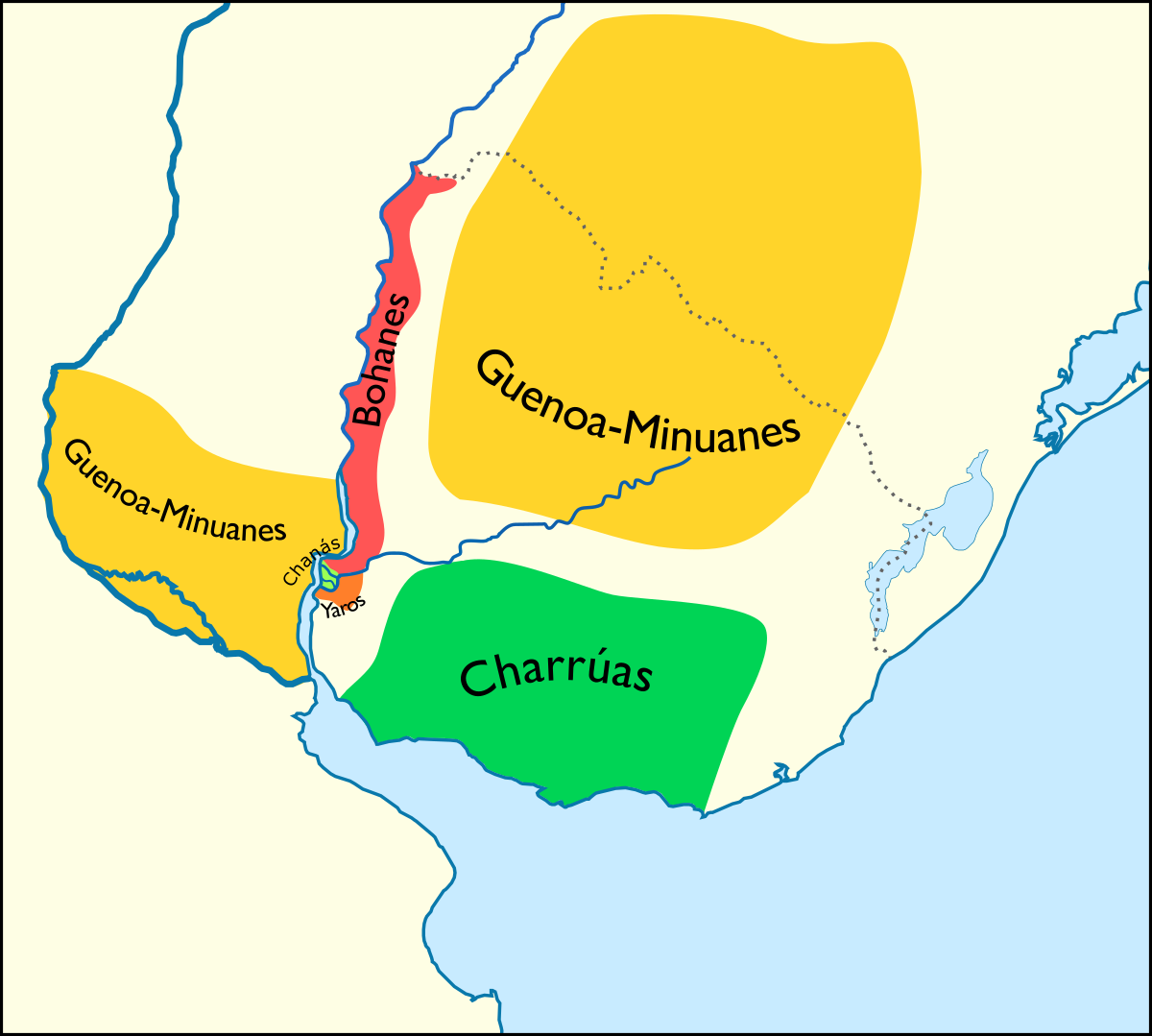 CharrúaCharrua
🇺🇾 Uruguay and 2 moreSemi-nomadic Indigenous people of Uruguay, Argentina, and Brazil
About 159,000
CharrúaCharrua
🇺🇾 Uruguay and 2 moreSemi-nomadic Indigenous people of Uruguay, Argentina, and Brazil
About 159,000
 Pataxó
🇧🇷 BrazilIndigenous people of Bahia, Brazil, reviving their language and culture
About 12,000
Pataxó
🇧🇷 BrazilIndigenous people of Bahia, Brazil, reviving their language and culture
About 12,000
 MuraBuxwaray
🇧🇷 BrazilIndigenous people of the central and eastern Amazon in Brazil
About 18,000
MuraBuxwaray
🇧🇷 BrazilIndigenous people of the central and eastern Amazon in Brazil
About 18,000