
Shona
The largest Bantu-speaking group of Zimbabwe, known for stone sculpture and mbira music
The Shona are a Bantu-speaking people native to Southern Africa, mainly Zimbabwe, where they form the majority. They number over 13 million in Zimbabwe alone, with communities in Mozambique, South Africa, and beyond. The Shona are known for their rich traditions in stone sculpture, mbira music, and a deep-rooted clan system.
Who are the Shona?
The Shona are a Bantu-speaking people who form the majority population in Zimbabwe and have significant communities in Mozambique and South Africa. They are united by the Shona language, which has several dialects, and a shared history of kingdoms and clan-based organization. Their society is structured around clans identified by totems, which play a central role in identity and marriage. The Shona are well known for their artistic traditions, especially stone sculpture, and for their music, particularly the mbira. Despite colonial disruptions, Shona culture remains vibrant and influential in the region.
Where do the Shona live?
The Shona homeland is centered on the Zimbabwe plateau, a region of highlands and savanna in southern Africa. This area includes much of present-day Zimbabwe and extends into parts of Mozambique and South Africa. The land is suited to agriculture and livestock, with rivers, hills, and rocky outcrops that have shaped Shona settlement patterns. The region is also rich in minerals, which supported early states and trade. Traditional Shona architecture, such as drystone walls and round huts, reflects adaptation to this landscape.
What language do the Shona speak?
The Shona speak chiShona, a Bantu language with several major dialects including Zezuru, Karanga, Korekore, Manyika, Kalanga, and Ndau. Shona is widely spoken in Zimbabwe and recognized as an official language. In Mozambique and South Africa, Shona communities may also use Portuguese or English. The language remains strong, with many children learning it at home and in school, and it is central to Shona identity and oral traditions.
How do the Shona live?
Traditionally, the Shona are subsistence farmers, growing crops such as sorghum, maize, beans, and groundnuts. Cattle and goats are important for food and as a reserve during droughts. In the past, Shona states gained wealth from mining and trading gold and copper. Today, many Shona also work in towns and cities or engage in crafts, especially stone sculpture and pottery. Their homes are often round huts arranged around a central yard, and drystone walling is a distinctive feature of their architecture.
How is Shona society organised?
Shona society is organized around clans, each identified by a totem (mutupo), usually an animal or body part. These totems help prevent incest and build group identity. Marriage customs emphasize marrying outside one's clan. Leadership is traditionally held by chiefs, sub-chiefs, and headmen, with succession often passing between brothers, which has sometimes led to disputes. Family and kinship ties are strong, and children can be adopted into a clan if needed. The clan system remains important in both rural and urban areas.


What do the Shona believe?
Most Shona today are Christian, but traditional beliefs centered on Mwari (God) and ancestral spirits remain strong. The Shona believe that ancestors (dzavadzimu) act as intermediaries with God and guide the living. The Bira ceremony, with music and dance, is held to summon spirits for advice and blessing. The mbira (thumb piano) and drums are central to ritual and social life. Stone sculpture, pottery, and beadwork are important arts, and traditional dress includes animal skins and later, woven cloth.
The history of the Shona
The Shona trace their origins to migrations from the Congo River basin around the end of the first millennium. They established powerful kingdoms, such as Great Zimbabwe, known for its monumental stone architecture. The Shona states traded gold and other goods with Swahili, Arab, and Asian merchants. Over time, internal conflicts and invasions by the Ndebele and Portuguese weakened the kingdoms. British colonization led to the annexation of Shona lands and disruption of traditional society. Despite these challenges, Shona culture and identity have persisted.
Shona life today
The Shona remain the largest ethnic group in Zimbabwe, with millions more in Mozambique and South Africa. Many live in rural areas, but urban migration is common. Shona language and traditions are widely practiced, though there are pressures from modernization and migration. Stone sculpture and music are internationally recognized. Clan identity and traditional religion continue alongside Christianity. The Shona face challenges related to land, employment, and cultural preservation, but their society remains resilient and influential.
Questions people ask about the Shona
Where do the Shona live?
The Shona live in Zimbabwe, Mozambique, South Africa, Zambia and Botswana, in the Zimbabwe plateau and adjacent regions of Mozambique and South Africa.
How many Shona people are there?
Our sources give the Shona population as about 13 million in Zimbabwe (2019), 2.3 million in Mozambique, 1–2 million in South Africa (2020). Counts of peoples vary with who is counted and when.
What language do the Shona speak?
The Shona speak Shona (chiShona) and related dialects, which belongs to the Bantu family of languages.
How do the Shona make a living?
The Shona are known for settled farming, herding, craft and trade and towns and wage work. Like most peoples, they combine several ways of making a living, and these have changed over time.
Sources and further reading
- Shona people on WikipediaEncyclopedia
- Encyclopaedia BritannicaArticle
- More photos on Wikimedia CommonsPhotos
- Wikidata recordOpen data
This page was written with AI assistance from the sources above and checked automatically before publishing. It may contain mistakes, and it is no substitute for hearing from the Shona themselves. If something is wrong, tell us. Last refreshed 2026-10-02.
Neighbours in Zimbabwe
All peoples of Zimbabwe TswanaBatswana
🇧🇼 Botswana and 3 moreA Bantu-speaking people of Southern Africa, central to Botswana and South Africa
About 7.1 million, Bantu
TswanaBatswana
🇧🇼 Botswana and 3 moreA Bantu-speaking people of Southern Africa, central to Botswana and South Africa
About 7.1 million, Bantu
 ZuluamaZulu
🇿🇦 South Africa and 8 moreLargest ethnic group in South Africa, known for beadwork and the Umhlanga ceremony
About 11 million, Bantu (Nguni subgroup)
ZuluamaZulu
🇿🇦 South Africa and 8 moreLargest ethnic group in South Africa, known for beadwork and the Umhlanga ceremony
About 11 million, Bantu (Nguni subgroup)
 San
🇳🇦 Namibia and 5 moreIndigenous hunter-gatherers of southern Africa with ancient roots
About 160,000, Khoe, Kxʼa, and Tuu
San
🇳🇦 Namibia and 5 moreIndigenous hunter-gatherers of southern Africa with ancient roots
About 160,000, Khoe, Kxʼa, and Tuu
 SwaziEmaswati
🇸🇿 Eswatini and 3 moreNguni-speaking people of Eswatini and South Africa, led by twin monarchs
About 2.5 million, Bantu (Nguni branch)
SwaziEmaswati
🇸🇿 Eswatini and 3 moreNguni-speaking people of Eswatini and South Africa, led by twin monarchs
About 2.5 million, Bantu (Nguni branch)
Other Bantu speakers
See them all KikuyuAgĩkũyũ
🇰🇪 KenyaLargest ethnic group of Kenya's central highlands, known for farming and rich traditions
About 8.1 million, Bantu
KikuyuAgĩkũyũ
🇰🇪 KenyaLargest ethnic group of Kenya's central highlands, known for farming and rich traditions
About 8.1 million, Bantu
 SothoBasotho
🇿🇦 South Africa and 4 moreA Sotho-Tswana people of Lesotho and South Africa, known for their language and history.
About 7.3 million, Bantu
SothoBasotho
🇿🇦 South Africa and 4 moreA Sotho-Tswana people of Lesotho and South Africa, known for their language and history.
About 7.3 million, Bantu
 Ovambo
🇳🇦 Namibia and 1 moreLargest ethnic group of Namibia, also in southern Angola
About 2.2 million, Bantu
Ovambo
🇳🇦 Namibia and 1 moreLargest ethnic group of Namibia, also in southern Angola
About 2.2 million, Bantu
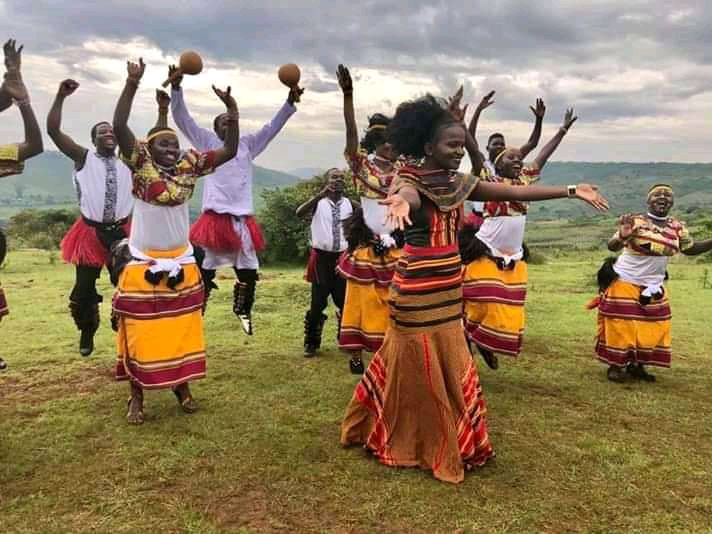 Baganda
🇺🇬 UgandaLargest ethnic group of Uganda, organized by clans in the Buganda kingdom
About 7 million, Bantu
Baganda
🇺🇬 UgandaLargest ethnic group of Uganda, organized by clans in the Buganda kingdom
About 7 million, Bantu