
Sotho
They call themselves Basotho
A Sotho-Tswana people of Lesotho and South Africa, known for their language and history.
The Sotho, or Basotho, are an indigenous Sotho-Tswana people mainly found in Lesotho and South Africa, with smaller communities in Botswana and Namibia. Numbering over 7 million, they are known for their shared language, Sesotho, and a history shaped by migration, colonialism, and the leadership of Moshoeshoe I.
Who are the Sotho?
The Sotho, or Basotho, are a Sotho-Tswana people indigenous to Southern Africa. Their identity is rooted in shared language, history, and clan ties. The Basotho nation formed from the unification of various Bantu-speaking clans, shaped by migration, conflict, and the leadership of Moshoeshoe I in the 19th century. Today, they are united by the Sesotho language and cultural practices, and maintain a strong sense of community whether in rural Lesotho, the Free State, or urban areas of South Africa.
Where do the Sotho live?
The Sotho homeland centers on the highlands of Lesotho and the Free State province of South Africa. These regions are marked by mountains, plateaus, and river valleys. The land supports farming and herding, though poverty and underdevelopment are widespread. Many Basotho also live in Gauteng and other provinces, as well as in smaller numbers in Botswana, Namibia, and Eswatini. The landscape has shaped their livelihoods and traditions, including distinctive architecture and dress suited to the climate.
What language do the Sotho speak?
Sesotho is the main language of the Sotho people. It is spoken as a first language by most people in Lesotho and by millions in South Africa, especially in the Free State and Gauteng. Sesotho is an official language in both Lesotho and South Africa. The language has a rich written tradition, with early missionary work helping to develop its orthography. Today, Sesotho is used in education, media, and literature, and remains central to Basotho identity.
How do the Sotho live?
Traditionally, the Sotho have relied on farming and herding livestock such as cattle, sheep, and goats. Many also practice crafts and small-scale trade. Due to limited land and economic pressures, wage labor—especially migrant work in South African mines and cities—has become common. Women often work in agriculture or as domestic workers, while men may seek employment far from home. Rural households may grow crops for subsistence and keep animals, but overgrazing and land shortages are challenges.
How is Sotho society organised?
Sotho society is organized around clans and extended families, each led by a chief. Descent is patrilineal, and marriage often involves negotiations between families. Chiefs and elders play a key role in decision-making and community affairs. The unification of clans under Moshoeshoe I created a sense of national identity, but local ties remain important. Social life is marked by communal work, ceremonies, and respect for elders and ancestors.


What do the Sotho believe?
Most Sotho people are Christian, a legacy of 19th-century missionary influence. However, Christianity is often blended with traditional beliefs centered on Modimo, a supreme being, and the veneration of ancestors, who are seen as intermediaries. Rituals, music, and oral literature are important in religious and cultural life. The Basotho are known for their distinctive dress, including the mokorotlo hat and blankets, which have symbolic and practical uses.
The history of the Sotho
The Sotho trace their origins to Bantu-speaking peoples who migrated into Southern Africa by the 5th century AD. Over centuries, they mixed with local San populations and formed decentralized chiefdoms. The 19th century brought upheaval from the Mfecane wars and Boer expansion. Under Moshoeshoe I, the Basotho unified and established the Kingdom of Lesotho. Colonialism divided their lands, with Lesotho becoming a British protectorate in 1868. Many Basotho remained in South Africa, where they faced land loss and labor migration.
Sotho life today
Today, the Sotho number over 7 million, with most living in Lesotho and South Africa. Many face poverty and unemployment, but Sesotho language and culture remain strong. Land shortages and economic pressures drive migration for work. Despite challenges, the Basotho maintain their traditions and community ties, and Sesotho is widely used in education and media. The legacy of colonial borders continues to shape their lives across several countries.
Questions people ask about the Sotho
Where do the Sotho live?
The Sotho live in South Africa, Lesotho, Botswana, Namibia and Eswatini, in the Lesotho highlands and Free State province of South Africa.
How many Sotho people are there?
Our sources give the Sotho population as about 7.2 million (2023 est.). Counts of peoples vary with who is counted and when.
What language do the Sotho speak?
The Sotho speak Sesotho, which belongs to the Bantu family of languages.
How do the Sotho make a living?
The Sotho are known for settled farming, towns and wage work, herding and craft and trade. Like most peoples, they combine several ways of making a living, and these have changed over time.
Sources and further reading
- Sotho people on WikipediaEncyclopedia
- Encyclopaedia BritannicaArticle
- More photos on Wikimedia CommonsPhotos
- Wikidata recordOpen data
This page was written with AI assistance from the sources above and checked automatically before publishing. It may contain mistakes, and it is no substitute for hearing from the Sotho themselves. If something is wrong, tell us. Last refreshed 2026-10-02.
Neighbours in South Africa
All peoples of South Africa Shona
🇿🇼 Zimbabwe and 4 moreThe largest Bantu-speaking group of Zimbabwe, known for stone sculpture and mbira music
About 16 million, Bantu
Shona
🇿🇼 Zimbabwe and 4 moreThe largest Bantu-speaking group of Zimbabwe, known for stone sculpture and mbira music
About 16 million, Bantu
 TswanaBatswana
🇧🇼 Botswana and 3 moreA Bantu-speaking people of Southern Africa, central to Botswana and South Africa
About 7.1 million, Bantu
TswanaBatswana
🇧🇼 Botswana and 3 moreA Bantu-speaking people of Southern Africa, central to Botswana and South Africa
About 7.1 million, Bantu
 Jewsיהודים
🇮🇱 Israel and 11 moreAn ethnoreligious group with ancient roots in Israel and a global presence today
About 15 million
Jewsיהודים
🇮🇱 Israel and 11 moreAn ethnoreligious group with ancient roots in Israel and a global presence today
About 15 million
 ZuluamaZulu
🇿🇦 South Africa and 8 moreLargest ethnic group in South Africa, known for beadwork and the Umhlanga ceremony
About 11 million, Bantu (Nguni subgroup)
ZuluamaZulu
🇿🇦 South Africa and 8 moreLargest ethnic group in South Africa, known for beadwork and the Umhlanga ceremony
About 11 million, Bantu (Nguni subgroup)
Other Bantu speakers
See them all KikuyuAgĩkũyũ
🇰🇪 KenyaLargest ethnic group of Kenya's central highlands, known for farming and rich traditions
About 8.1 million, Bantu
KikuyuAgĩkũyũ
🇰🇪 KenyaLargest ethnic group of Kenya's central highlands, known for farming and rich traditions
About 8.1 million, Bantu
 Ovambo
🇳🇦 Namibia and 1 moreLargest ethnic group of Namibia, also in southern Angola
About 2.2 million, Bantu
Ovambo
🇳🇦 Namibia and 1 moreLargest ethnic group of Namibia, also in southern Angola
About 2.2 million, Bantu
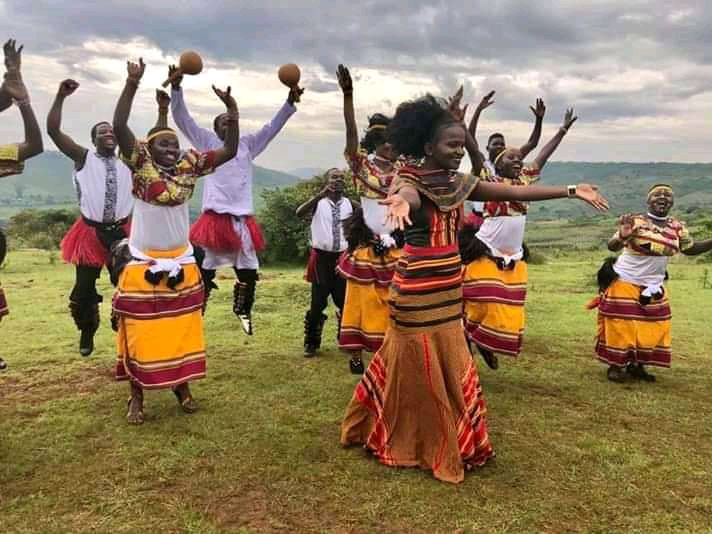 Baganda
🇺🇬 UgandaLargest ethnic group of Uganda, organized by clans in the Buganda kingdom
About 7 million, Bantu
Baganda
🇺🇬 UgandaLargest ethnic group of Uganda, organized by clans in the Buganda kingdom
About 7 million, Bantu
 GogoWagogo
🇹🇿 TanzaniaBantu farmers and herders of Tanzania's Dodoma Region
About 1.3 million, Bantu
GogoWagogo
🇹🇿 TanzaniaBantu farmers and herders of Tanzania's Dodoma Region
About 1.3 million, Bantu