
Ngāti Porou
A large Māori iwi from the East Cape and Gisborne regions of New Zealand
Ngāti Porou is a Māori iwi (tribe) based in the East Cape and Gisborne regions of New Zealand's North Island. With about 102,480 members (2023 census), it is one of the largest iwi. Ngāti Porou is known for its strong traditions, ancestral links, and the cultural importance of Mount Hikurangi.
- Ngāti Porou has 58 hapū and 48 marae
- Mount Hikurangi is a sacred symbol for the iwi
- Population is about 102,480 (2023 census)
- Traditional lands stretch along the East Cape and Gisborne region
- Te Rūnanga o Ngāti Porou is the tribal authority
Who are the Ngāti Porou?
Ngāti Porou is a Māori iwi, or tribe, whose traditional lands stretch along the East Cape and Gisborne regions of New Zealand’s North Island. The iwi is made up of 58 hapū (sub-tribes) and 48 marae (meeting grounds), which are central to social and cultural life. Ngāti Porou traces its ancestry to Porourangi and has strong genealogical ties to other Māori iwi through both descent and marriage. The iwi is bound together by shared ancestry, traditions, and a deep connection to their land and sacred sites, especially Mount Hikurangi.
Where do the Ngāti Porou live?
Ngāti Porou’s homeland covers the coastal and inland areas of the East Cape and Gisborne region, from Pōtikirua and Lottin Point in the north to Te Toka-a-Taiau in the south. The landscape includes rugged coastlines, fertile river valleys, and significant landmarks such as Mount Hikurangi and the Waiapu River. These places are central to the iwi’s identity and feature strongly in their traditions and stories.
What language do the Ngāti Porou speak?
Ngāti Porou people speak Māori, the Indigenous language of New Zealand. The language is a key part of their identity and is used in ceremonies, on marae, and in daily life. Efforts to maintain and revitalise Māori language continue within the iwi and across New Zealand.
How is Ngāti Porou society organised?
Ngāti Porou society is organised around hapū (sub-tribes) and marae, which serve as focal points for community gatherings, ceremonies, and decision-making. Whānau (extended families) are the foundation of social structure. Leadership is provided by rangatira (chiefs) and elders, who guide the iwi in cultural, political, and economic matters. Marriage alliances have historically played a key role in forming connections with other iwi. The iwi’s governance is now overseen by Te Rūnanga o Ngāti Porou, which manages tribal affairs and assets.


What do the Ngāti Porou believe?
Ngāti Porou traditions centre on ancestral stories, sacred places, and the spiritual significance of the land. Mount Hikurangi is especially important, seen as a symbol of endurance and strength, and is considered tapu (sacred). The iwi’s oral traditions tell of ancestors such as Māui and Porourangi, and their stories are reflected in rituals, art, and song. Christianity also became influential in the 19th century, shaping religious life for many members.
The history of the Ngāti Porou
Ngāti Porou traces its origins to Porourangi and other ancestors who arrived in the region on canoes such as Horouta. The iwi expanded through conquest and marriage alliances. In the early 1800s, Ngāti Porou suffered heavy losses during the Musket Wars, facing attacks from other iwi. Peace was eventually established, and Christianity spread among the people. Ngāti Porou chiefs signed the Treaty of Waitangi in 1840. The late 19th and early 20th centuries saw economic growth and population increase. Many members later moved to urban areas, but the iwi remains connected to its homeland.
Ngāti Porou life today
Ngāti Porou is one of the largest iwi in New Zealand, with over 100,000 members. Many live outside the traditional tribal area, especially in cities like Auckland and Wellington. The iwi has an active tribal authority, Te Rūnanga o Ngāti Porou, which manages assets and represents the iwi in legal and resource matters. Cultural revival and language maintenance are ongoing priorities.
Questions people ask about the Ngāti Porou
Where do Ngāti Porou live?
Ngāti Porou’s traditional lands are in the East Cape and Gisborne regions of New Zealand’s North Island. Many members now also live in cities such as Auckland and Wellington.
How many Ngāti Porou are there?
According to the 2023 census, there are about 102,480 people affiliated with Ngāti Porou, making it one of the largest Māori iwi.
What language do Ngāti Porou speak?
Ngāti Porou people speak Māori, the Indigenous language of New Zealand. The language is important in cultural and daily life.
What is the significance of Mount Hikurangi?
Mount Hikurangi is a sacred mountain for Ngāti Porou. It features in their traditions as a symbol of endurance and is considered tapu (sacred).
How is Ngāti Porou organised today?
Ngāti Porou is organised around hapū and marae, with tribal affairs managed by Te Rūnanga o Ngāti Porou, which oversees economic, cultural, and legal matters.
Sources and further reading
This page was written with AI assistance from the sources above and checked automatically before publishing. It may contain mistakes, and it is no substitute for hearing from the Ngāti Porou themselves. If something is wrong, tell us. Last refreshed 2026-10-02.
Neighbours in New Zealand
All peoples of New Zealand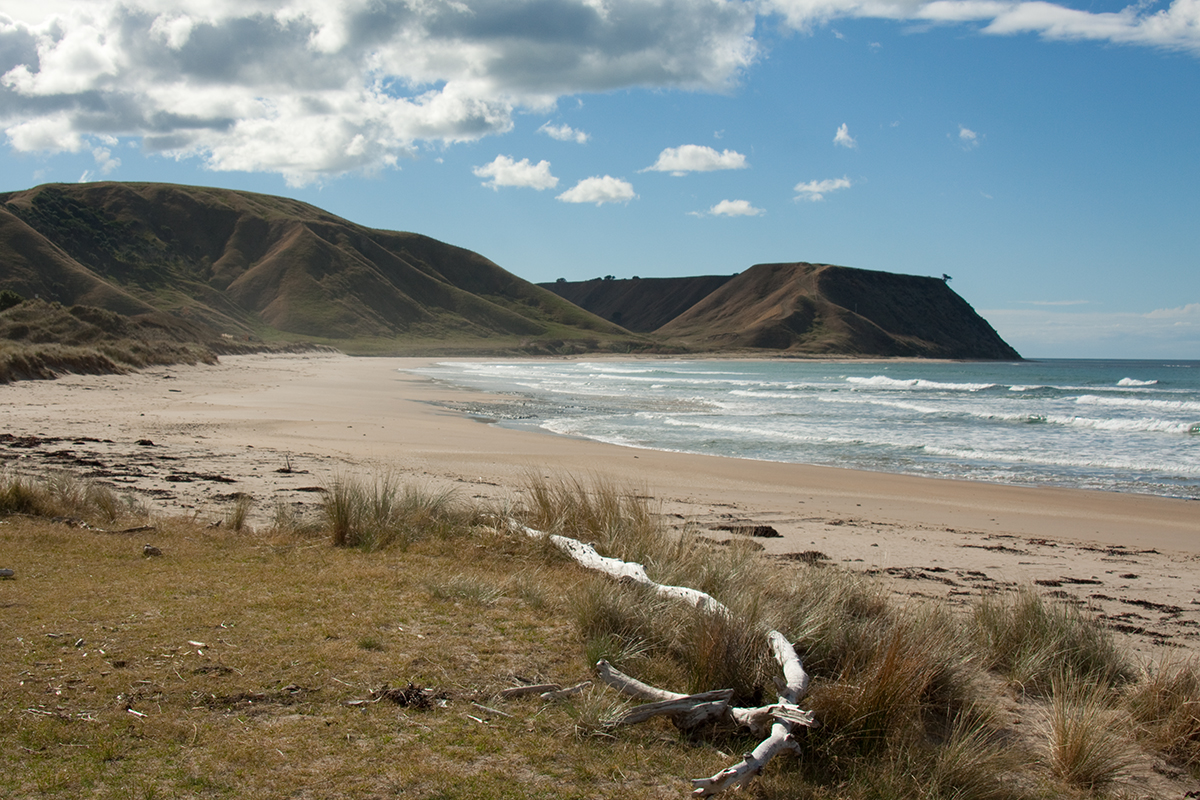 Ngāi Tahu
🇳🇿 New ZealandThe principal Māori iwi of New Zealand's South Island
About 85,000, Austronesian
Ngāi Tahu
🇳🇿 New ZealandThe principal Māori iwi of New Zealand's South Island
About 85,000, Austronesian
 Ngāpuhi
🇳🇿 New ZealandLargest Māori iwi of New Zealand's Northland region
About 184,000, Austronesian
Ngāpuhi
🇳🇿 New ZealandLargest Māori iwi of New Zealand's Northland region
About 184,000, Austronesian
 Ngāti Kahungunu
🇳🇿 New ZealandA major Māori iwi of New Zealand’s eastern North Island
About 82,000, Austronesian
Ngāti Kahungunu
🇳🇿 New ZealandA major Māori iwi of New Zealand’s eastern North Island
About 82,000, Austronesian
 Ngāti Toa
🇳🇿 New ZealandA Māori iwi based around Porirua and the northern South Island of New Zealand
About 10,000, Austronesian
Ngāti Toa
🇳🇿 New ZealandA Māori iwi based around Porirua and the northern South Island of New Zealand
About 10,000, Austronesian
Other Austronesian speakers
See them all MalaysOrang Melayu
🇲🇾 Malaysia and 4 moreAustronesian people of the Malay Peninsula, Sumatra, Borneo and nearby islands
About 30 million, Austronesian
MalaysOrang Melayu
🇲🇾 Malaysia and 4 moreAustronesian people of the Malay Peninsula, Sumatra, Borneo and nearby islands
About 30 million, Austronesian
 Minangkabaubangso Minangkabau
🇮🇩 Indonesia and 3 moreMatrilineal Muslim society from the highlands of West Sumatra
About 6.6 million, Austronesian
Minangkabaubangso Minangkabau
🇮🇩 Indonesia and 3 moreMatrilineal Muslim society from the highlands of West Sumatra
About 6.6 million, Austronesian
 Sundaneseᮅᮛᮀ ᮞᮥᮔ᮪ᮓ (Urang Sunda)
🇮🇩 Indonesia and 3 moreThe native people of western Java, Indonesia, known for their language and traditions
About 42 million, Austronesian
Sundaneseᮅᮛᮀ ᮞᮥᮔ᮪ᮓ (Urang Sunda)
🇮🇩 Indonesia and 3 moreThe native people of western Java, Indonesia, known for their language and traditions
About 42 million, Austronesian
 Balineseanak Bali
🇮🇩 IndonesiaHindu-majority people of Bali, known for art, dance, and water-temple farming
About 3.9 million, Austronesian
Balineseanak Bali
🇮🇩 IndonesiaHindu-majority people of Bali, known for art, dance, and water-temple farming
About 3.9 million, Austronesian