
Pequot
Native people of Connecticut, known for survival and revival after near-destruction
The Pequot are a Native American people from Connecticut, now mainly living in the Mashantucket and Eastern Pequot communities. Once dominant in southern New England, their population was devastated by war and colonization, but today they are federally and state recognized, with ongoing efforts to revive their language and culture.
- Survived near-destruction in the Pequot War of the 1630s
- Mashantucket Pequot Tribe operates Foxwoods Resort Casino
- Pequot language is being revived after extinction
- Federal and state recognition achieved after long struggle
- Pequot Museum preserves and shares their history
Who are the Pequot?
The Pequot are an Indigenous people whose homeland is in what is now Connecticut. Historically, they were a powerful group in southern New England, closely related to the Mohegan. Today, Pequot identity is maintained through the Mashantucket Pequot Tribe, the Eastern Pequot Tribal Nation, and other recognized groups. Despite centuries of violence, forced removal, and attempts to erase their culture, the Pequot have survived as a distinct community. Their sense of identity is rooted in shared history, kinship, and ongoing cultural revival.
Where do the Pequot live?
The Pequot homeland lies along the coast of Connecticut, between the Niantic River and the border of what is now Rhode Island. This region includes woodlands, rivers, and access to Long Island Sound, supporting fishing, farming, and trade. Today, most Pequots live on the Mashantucket and Eastern Pequot reservations, with some descendants in other parts of Connecticut, Long Island, and Wisconsin.
What language do the Pequot speak?
The Pequot historically spoke a dialect of the Mohegan-Pequot language, part of the Eastern Algonquian family. After the Pequot War, colonial authorities banned the language, leading to its extinction by the early 20th century. Today, English is the main language, but the Mashantucket Pequot are working to revive their ancestral language, reclaiming words and offering classes.
How do the Pequot live?
Traditionally, the Pequot lived by farming, fishing, and crafts, making use of the rich coastal and woodland resources. They grew corn, beans, and squash, fished in rivers and the Sound, and crafted tools and goods for trade. In recent decades, economic life has changed, especially for the Mashantucket Pequot, who operate the Foxwoods Resort Casino and a cultural museum, providing jobs and supporting community projects.
How is Pequot society organised?
Pequot society was organized around kinship and extended families. Leadership was held by sachems (chiefs), and decisions were made through councils. After the Pequot War, survivors joined other tribes or lived in small family groups. Today, tribal governance is formalized, with elected councils and legal recognition. Family ties and community events remain important in maintaining identity.


What do the Pequot believe?
The Pequot practiced traditional Native American religion, with ceremonies tied to the land and seasons. Over time, many adopted Christianity, especially in the 18th and 19th centuries. Today, both traditional and Christian beliefs are present. Art, music, and storytelling are part of cultural life, and the Mashantucket Pequot Museum helps preserve and share their heritage.
The history of the Pequot
The Pequot were once a dominant people in southern New England. In the early 1600s, disease and conflict with colonists and other tribes reduced their numbers. The Pequot War of 1634–1638 was devastating: many were killed, enslaved, or forced from their land. The Treaty of Hartford tried to erase their identity. Survivors lived on small reservations or joined other tribes. In the 20th century, numbers dwindled to a few dozen, but legal action and federal recognition in the 1980s led to a revival. The Foxwoods Casino brought economic resources, and the community began to grow again.
Pequot life today
Today, the Pequot live mainly in Connecticut, with about 1,000–2,000 people identifying as Pequot. The Mashantucket Pequot Tribe is federally recognized, and the Eastern Pequot Tribal Nation has state recognition. The community runs successful enterprises and a museum, and is actively working to revive its language and traditions. Land, recognition, and cultural survival remain ongoing concerns.
Questions people ask about the Pequot
Where do the Pequot live today?
Most Pequot live in Connecticut, mainly on the Mashantucket and Eastern Pequot reservations. Some descendants also live in Wisconsin and on Long Island.
How many Pequot are there?
Estimates from 2000 put the population at about 1,000–2,000, with 1,130 Eastern Pequot and 350 Mashantucket Pequot.
What language do the Pequot speak?
The Pequot historically spoke a dialect of the Mohegan-Pequot language, but today they mainly speak English. There are efforts to revive the original language.
What happened to the Pequot during the Pequot War?
The Pequot War (1634–1638) led to the deaths, enslavement, or dispersal of most Pequots. The Treaty of Hartford tried to erase their identity, but some survived and rebuilt their community.
What are the Pequot known for today?
The Mashantucket Pequot Tribe is known for operating the Foxwoods Resort Casino and for efforts to revive Pequot language and culture.
Sources and further reading
- Pequot on WikipediaEncyclopedia
- Encyclopaedia BritannicaArticle
- More photos on Wikimedia CommonsPhotos
- Wikidata recordOpen data
This page was written with AI assistance from the sources above and checked automatically before publishing. It may contain mistakes, and it is no substitute for hearing from the Pequot themselves. If something is wrong, tell us. Last refreshed 2026-10-02.
Neighbours in the United States
All peoples of the United States ShawneeŠaawanooaki
🇺🇸 United StatesAlgonquian-speaking people now based in Oklahoma, once of the Ohio Valley
About 8,000, Algonquian
ShawneeŠaawanooaki
🇺🇸 United StatesAlgonquian-speaking people now based in Oklahoma, once of the Ohio Valley
About 8,000, Algonquian
 ArapahoHinono'eino
🇺🇸 United StatesPlains Algonquian people now in Wyoming and Oklahoma
About 11,000, Algonquian
ArapahoHinono'eino
🇺🇸 United StatesPlains Algonquian people now in Wyoming and Oklahoma
About 11,000, Algonquian
 PotawatomiBodéwadmi
🇺🇸 United States and 1 moreKeepers of the fire in the Great Lakes and Plains, with many recognized bands today
About 43,000, Algonquian
PotawatomiBodéwadmi
🇺🇸 United States and 1 moreKeepers of the fire in the Great Lakes and Plains, with many recognized bands today
About 43,000, Algonquian
 Narragansett
🇺🇸 United StatesIndigenous people of Rhode Island, known for their ties to Narragansett Bay
About 3,000, Algonquian
Narragansett
🇺🇸 United StatesIndigenous people of Rhode Island, known for their ties to Narragansett Bay
About 3,000, Algonquian
Other Algonquian speakers
See them all MenomineeMamaceqtaw
🇺🇸 United StatesA Native nation rooted in Wisconsin, known for wild rice and forest stewardship
About 9,000, Algonquian
MenomineeMamaceqtaw
🇺🇸 United StatesA Native nation rooted in Wisconsin, known for wild rice and forest stewardship
About 9,000, Algonquian
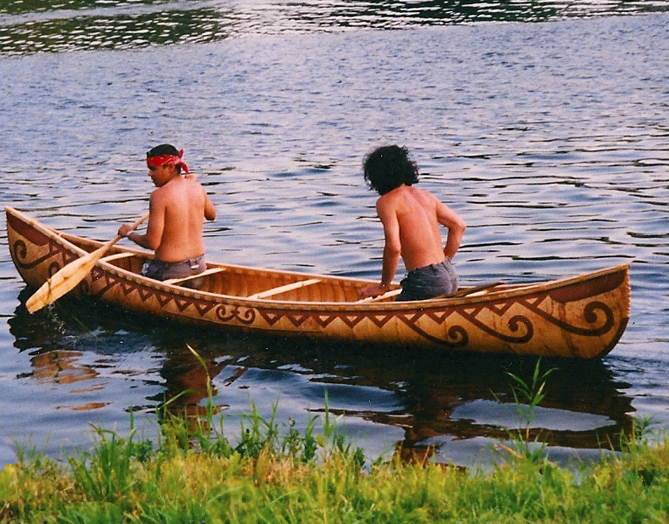 PassamaquoddyPeskotomuhkati
🇺🇸 United States and 1 moreNative people of Maine and New Brunswick, known for fishing and the Wabanaki Confederacy
About 4,000, Algonquian
PassamaquoddyPeskotomuhkati
🇺🇸 United States and 1 moreNative people of Maine and New Brunswick, known for fishing and the Wabanaki Confederacy
About 4,000, Algonquian
 Piegan BlackfeetPiikáni
🇺🇸 United States and 1 moreLargest group of the Blackfeet Confederacy in Montana and Alberta
About 105,000, Algonquian
Piegan BlackfeetPiikáni
🇺🇸 United States and 1 moreLargest group of the Blackfeet Confederacy in Montana and Alberta
About 105,000, Algonquian
 PenobscotPαnawάhpskewi
🇺🇸 United StatesWabanaki people of Maine, living along the Penobscot River
About 2,000, Algonquian
PenobscotPαnawάhpskewi
🇺🇸 United StatesWabanaki people of Maine, living along the Penobscot River
About 2,000, Algonquian