Bali Aga
They call themselves wong Bali Aga
Indigenous highland communities of Bali with distinct traditions and language
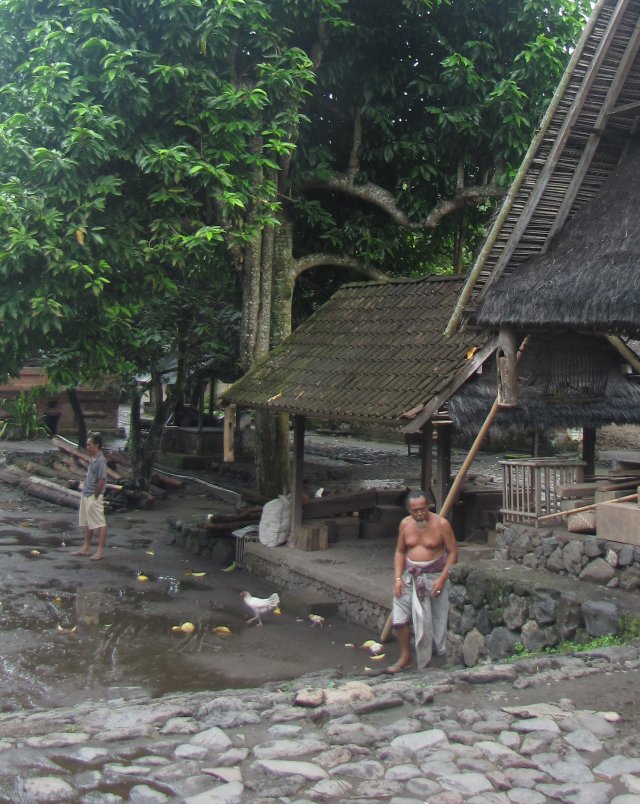
The Bali Aga, also called Bali Mula, are the indigenous people of Bali, Indonesia, mainly living in mountain villages in Bangli, Buleleng, and Karangasem regencies. They speak a distinct dialect of Balinese and maintain unique traditions, including a form of folk Hinduism and the sacred geringsing textile. Their villages and culture are increasingly affected by tourism and modernization.
- Bali Aga villages are mainly in the mountains of eastern and central Bali.
- They speak a distinct Bali Aga dialect of Balinese.
- The Tenganan village is famous for sacred geringsing double ikat textiles.
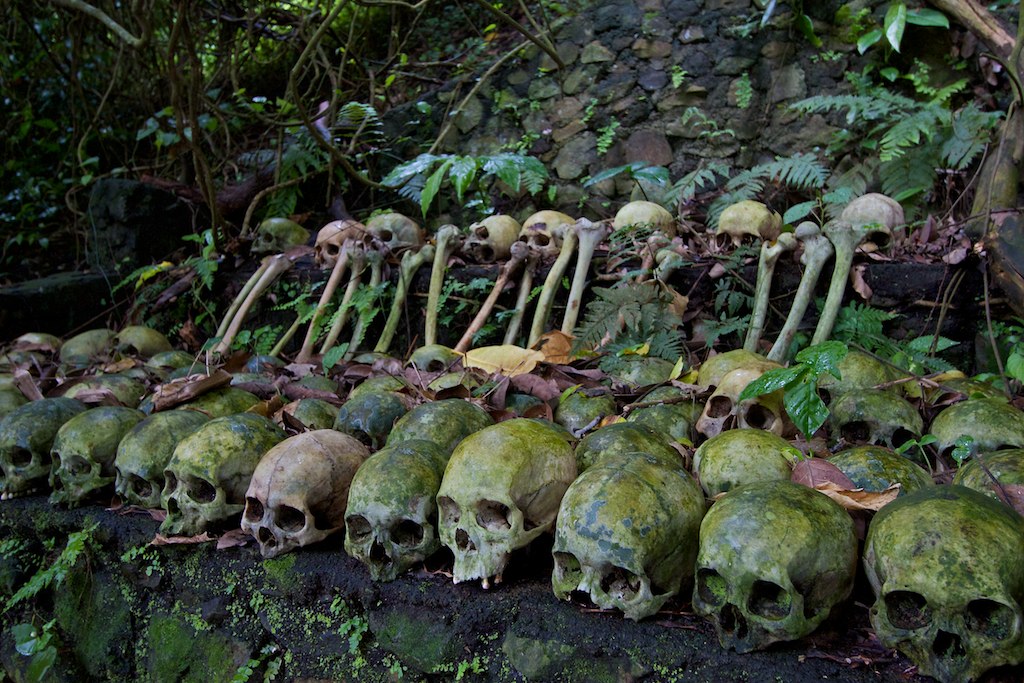
- In Trunyan, the dead are laid out near the Taru Menyan tree instead of being cremated.
- Bali Aga practice a unique form of folk Hinduism.
Who are the Bali Aga?
The Bali Aga, or Bali Mula, are the original inhabitants of Bali. They see themselves as distinct from the later Balinese who arrived with Hindu-Javanese migrations. Their identity is rooted in their highland villages, dialects, and customs that set them apart from lowland Balinese. The Bali Aga maintain a strong sense of community through shared rituals, architecture, and oral traditions. They value their ancestral ways and prefer the term Bali Mula, meaning 'Original Balinese', over Bali Aga, which some consider pejorative.
Where do the Bali Aga live?
Bali Aga villages are scattered across the mountainous regions of eastern and central Bali, especially in Bangli, Buleleng, and Karangasem regencies. Many villages are located near Mount Batur and Lake Batur, surrounded by forests and valleys. The terrain is rugged, which has helped preserve their traditions by limiting outside influence. Some villages, such as Tenganan and Trunyan, are well known for their unique customs and are visited by tourists, though access can be challenging due to geography.
What language do the Bali Aga speak?
The Bali Aga speak a distinct dialect of Balinese, known as Highland Balinese or Bali Aga Balinese. This dialect varies from village to village and is different from the standard Balinese spoken elsewhere on the island. Many Bali Aga are multilingual, also using Indonesian for wider communication and Kawi or Sanskrit in religious contexts. English is sometimes spoken in villages frequented by tourists.
How do the Bali Aga live?
Traditionally, the Bali Aga rely on farming, foraging for wild plants, and crafts. Farming is the mainstay, with rice, vegetables, and other crops grown on terraced fields. Foraging for edible plants from forests once played a larger role in their diet and economy, but this knowledge is declining. Craftwork, especially the sacred geringsing double ikat textiles from Tenganan, is highly valued and unique to their culture. Increasingly, some Bali Aga work in tourism or other wage-earning jobs.
How is Bali Aga society organised?
Bali Aga society is organized around village communities with strong customary laws and communal decision-making. Family and kinship ties are important, and some villages have strict rules, such as prohibiting divorce and polygamy in Tenganan. Social organization often includes councils of elders who guide rituals and resolve disputes. Traditions and customs are passed down orally, and each village may have its own variations in social rules and ceremonies.

What do the Bali Aga believe?
The Bali Aga practice a form of folk Hinduism distinct from mainstream Balinese Hinduism. Rituals often center on ancestor worship and local deities. In Trunyan, for example, the dead are placed on the ground near the Taru Menyan tree instead of being cremated, as is common elsewhere in Bali. Sacred textiles like geringsing are used in ceremonies and believed to have protective powers. Art, music, and architecture reflect ancient Austronesian influences blended with Hindu elements.
The history of the Bali Aga
The Bali Aga trace their origins to the village of Bedulu, predating the arrival of Hindu-Javanese settlers. Legends tell of ancient kings and supernatural events. Over centuries, their villages experienced outside influences, especially along the coast, due to trade with India and China. The Majapahit Empire attempted to assert control in the 14th century, leading to resistance from Bali Aga leaders. Despite external pressures, their highland location helped preserve many traditions, though recent decades have brought rapid change.
Bali Aga life today
Today, the Bali Aga number around 63,000, though this figure is uncertain. Their villages are increasingly exposed to tourism and modernization, which threaten traditional knowledge and practices. Some customs, such as foraging and ritual crafts, are declining. However, the Bali Aga continue to maintain their identity through language, ritual, and community life, even as they adapt to new economic and social realities.
Questions people ask about the Bali Aga
Where do the Bali Aga live?
The Bali Aga live mainly in mountain villages in eastern and central Bali, Indonesia, especially in Bangli, Buleleng, and Karangasem regencies.
How many Bali Aga are there?
There are about 63,000 Bali Aga people, though this figure is uncertain and may vary by source.
What language do the Bali Aga speak?
They speak a distinct dialect of Balinese called Bali Aga or Highland Balinese, and also use Indonesian, Kawi, and Sanskrit.
What are the Bali Aga known for?
They are known for their unique rituals, such as the Trunyan burial tradition, and for making geringsing double ikat textiles in Tenganan.
How is Bali Aga religion different from other Balinese?
Bali Aga practice a form of folk Hinduism with unique rituals, such as not cremating the dead in some villages, which differs from mainstream Balinese Hinduism.
Sources and further reading
This page was written with AI assistance from the sources above and checked automatically before publishing. It may contain mistakes, and it is no substitute for hearing from the Bali Aga themselves. If something is wrong, tell us. Last refreshed 2026-10-02.
Neighbours in Indonesia
All peoples of Indonesia MalaysOrang Melayu
🇲🇾 Malaysia and 4 moreAustronesian people of the Malay Peninsula, Sumatra, Borneo and nearby islands
About 30 million, Austronesian
MalaysOrang Melayu
🇲🇾 Malaysia and 4 moreAustronesian people of the Malay Peninsula, Sumatra, Borneo and nearby islands
About 30 million, Austronesian
 Minangkabaubangso Minangkabau
🇮🇩 Indonesia and 3 moreMatrilineal Muslim society from the highlands of West Sumatra
About 6.6 million, Austronesian
Minangkabaubangso Minangkabau
🇮🇩 Indonesia and 3 moreMatrilineal Muslim society from the highlands of West Sumatra
About 6.6 million, Austronesian
 Sundaneseᮅᮛᮀ ᮞᮥᮔ᮪ᮓ (Urang Sunda)
🇮🇩 Indonesia and 3 moreThe native people of western Java, Indonesia, known for their language and traditions
About 42 million, Austronesian
Sundaneseᮅᮛᮀ ᮞᮥᮔ᮪ᮓ (Urang Sunda)
🇮🇩 Indonesia and 3 moreThe native people of western Java, Indonesia, known for their language and traditions
About 42 million, Austronesian
 Balineseanak Bali
🇮🇩 IndonesiaHindu-majority people of Bali, known for art, dance, and water-temple farming
About 3.9 million, Austronesian
Balineseanak Bali
🇮🇩 IndonesiaHindu-majority people of Bali, known for art, dance, and water-temple farming
About 3.9 million, Austronesian
Other Austronesian speakers
See them all TorajaTo Raya
🇮🇩 IndonesiaHighland people of South Sulawesi known for elaborate funerals and tongkonan houses
About 1.1 million, Austronesian
TorajaTo Raya
🇮🇩 IndonesiaHighland people of South Sulawesi known for elaborate funerals and tongkonan houses
About 1.1 million, Austronesian
 Sama-BajauSama
🇵🇭 Philippines and 3 moreSeafaring Austronesian people of the southern Philippines, Borneo, and eastern Indonesia
About 1.3 million, Austronesian
Sama-BajauSama
🇵🇭 Philippines and 3 moreSeafaring Austronesian people of the southern Philippines, Borneo, and eastern Indonesia
About 1.3 million, Austronesian
 MadureseOrèng Mâdhurâ
🇮🇩 Indonesia and 2 moreCattle herders and satay makers from Madura Island and eastern Java
About 7.2 million, Austronesian
MadureseOrèng Mâdhurâ
🇮🇩 Indonesia and 2 moreCattle herders and satay makers from Madura Island and eastern Java
About 7.2 million, Austronesian
 IbanDayak Iban
🇲🇾 Malaysia and 2 moreDayak people of northwestern Borneo, known for longhouses and weaving
About 740,000, Austronesian
IbanDayak Iban
🇲🇾 Malaysia and 2 moreDayak people of northwestern Borneo, known for longhouses and weaving
About 740,000, Austronesian