
Benga
Coastal Bantu people of Equatorial Guinea and Gabon
The Benga are a Bantu-speaking people indigenous to coastal Equatorial Guinea and Gabon, numbering about 8,200. They are known for their fishing, seafaring, and merchant traditions, and live mainly along the Río Muni coast and on islands such as Corisco, Elobey Grande, and Elobey Chico.
- Live mainly on the coast and islands of Equatorial Guinea and Gabon
- Traditionally fishermen, sailors, and merchants
- Speak Benga, a Bantu language, as well as Spanish and French
- Part of the Ndowe or 'Beach People' group
- Known for the Djombe festival on Corisco Island
Who are the Benga?
The Benga are a Bantu ethnic group native to the coastal regions and islands of Equatorial Guinea and Gabon. They are part of the larger Ndowe group, sometimes called the 'Beach People' for their close relationship with the sea. The Benga are united by their language, shared history, and traditions centered on fishing, sailing, and coastal trade. Their communities are found in small enclaves along the mainland coast and on islands such as Corisco, Elobey Grande, and Elobey Chico. Despite changes over time, their identity is shaped by their connection to the sea and their role in the region’s trade networks.
Where do the Benga live?
The Benga live along the Río Muni coast in Equatorial Guinea and Gabon, as well as on nearby islands like Corisco, Elobey Grande, and Elobey Chico. Their homeland includes both mainland coastal stretches and small islands in the Gulf of Guinea. This region is characterized by mangroves, sandy beaches, and access to rich fishing grounds. The coastal environment has shaped their way of life, providing resources and routes for travel and trade.
What language do the Benga speak?
The Benga speak the Benga language, which belongs to the Bantu family. Many also speak Spanish or French, the official languages of Equatorial Guinea and Gabon. Benga remains important in daily life and cultural practices, though use of Spanish and French is common, especially in urban areas and for official matters.
How do the Benga live?
Traditionally, the Benga are fishermen, sailors, and merchants. The sea provides fish and shellfish, which are staples of their diet and trade. They build boats for fishing and transport, and some engage in crafts or small-scale trade. In recent times, wage labor in towns or cities has become more common, as many Benga seek new opportunities. Their houses are often built near the water, using local materials suited to the coastal climate.
How is Benga society organised?
Benga society is organized around family and community ties, with a strong emphasis on kinship and cooperation. Social life often centers on extended families and local groups. Marriage and descent are important for maintaining social bonds. Decision-making tends to involve elders and respected community members, reflecting traditional leadership structures. The Benga are also part of the broader Ndowe community, which includes several related coastal groups.


What do the Benga believe?
Most Benga today are Christians, mainly Roman Catholic or Protestant, though some continue to practice traditional beliefs. Religious festivals and rituals are important in community life. Traditional ceremonies, music, and dance remain part of their culture, especially during events such as the Djombe festival. Dress and art often reflect both local traditions and influences from wider regional cultures.
The history of the Benga
The Benga are one of 14 Ndowe tribes in Equatorial Guinea. Historically, they lived inland but moved to the coast to trade with Europeans. By 1770, they had settled on Corisco Island, which had been depopulated by the French slave trade. The Benga themselves practiced slavery and participated in the Atlantic slave trade until British intervention in the 19th century led to its end. American missionaries arrived in the mid-1800s, but most left during World War II. Afterward, many Benga left the islands seeking better opportunities.
Benga life today
Today, the Benga number about 8,200, with most living in Equatorial Guinea and a smaller population in Gabon. Many have moved to urban areas or left traditional islands. They face pressures from modernization and migration but maintain aspects of their language and culture. Christianity is widespread, but traditional practices persist, especially in festivals and community life.
Questions people ask about the Benga
Where do the Benga live?
The Benga live along the coastal regions of Equatorial Guinea and Gabon, especially on islands like Corisco, Elobey Grande, and Elobey Chico, as well as in coastal towns such as Mbini and Bata.
How many Benga people are there?
There are about 8,200 Benga people, with around 6,800 in Equatorial Guinea and 1,800 in Gabon.
What language do the Benga speak?
The Benga speak the Benga language, which is a Bantu language. Many also speak Spanish or French, depending on the country.
What are the main traditions of the Benga?
The Benga are known for fishing, seafaring, and coastal trade. They celebrate festivals such as Djombe and maintain traditional music, dance, and crafts.
What religion do the Benga follow?
Most Benga are Christians, mainly Roman Catholic or Protestant, but some continue to practice traditional beliefs.
Sources and further reading
This page was written with AI assistance from the sources above and checked automatically before publishing. It may contain mistakes, and it is no substitute for hearing from the Benga themselves. If something is wrong, tell us. Last refreshed 2026-10-02.
Neighbours in Equatorial Guinea
All peoples of Equatorial Guinea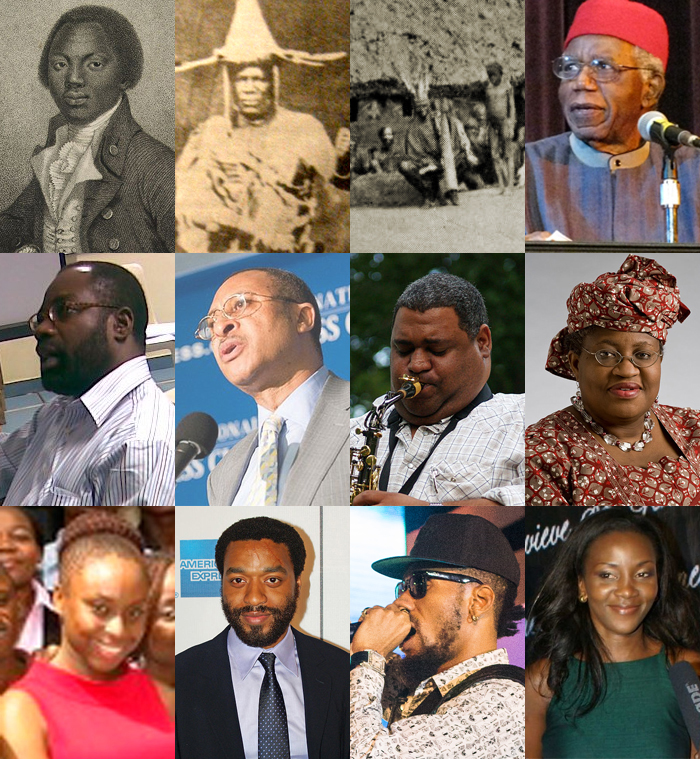 IgboŃdị́ Ìgbò
🇳🇬 Nigeria and 11 moreA major ethnic group of southeastern Nigeria with a rich history and diaspora
About 42 million, Niger-Congo
IgboŃdị́ Ìgbò
🇳🇬 Nigeria and 11 moreA major ethnic group of southeastern Nigeria with a rich history and diaspora
About 42 million, Niger-Congo
 HausaHausawa
🇳🇬 Nigeria and 20 moreA major West African people of the Sahel and savanna, known for trade and Islamic heritage
About 86 million, Afro-Asiatic
HausaHausawa
🇳🇬 Nigeria and 20 moreA major West African people of the Sahel and savanna, known for trade and Islamic heritage
About 86 million, Afro-Asiatic
Other Bantu speakers
See them all KikuyuAgĩkũyũ
🇰🇪 KenyaLargest ethnic group of Kenya's central highlands, known for farming and rich traditions
About 8.1 million, Bantu
KikuyuAgĩkũyũ
🇰🇪 KenyaLargest ethnic group of Kenya's central highlands, known for farming and rich traditions
About 8.1 million, Bantu
 Shona
🇿🇼 Zimbabwe and 4 moreThe largest Bantu-speaking group of Zimbabwe, known for stone sculpture and mbira music
About 16 million, Bantu
Shona
🇿🇼 Zimbabwe and 4 moreThe largest Bantu-speaking group of Zimbabwe, known for stone sculpture and mbira music
About 16 million, Bantu
 SothoBasotho
🇿🇦 South Africa and 4 moreA Sotho-Tswana people of Lesotho and South Africa, known for their language and history.
About 7.3 million, Bantu
SothoBasotho
🇿🇦 South Africa and 4 moreA Sotho-Tswana people of Lesotho and South Africa, known for their language and history.
About 7.3 million, Bantu
 TswanaBatswana
🇧🇼 Botswana and 3 moreA Bantu-speaking people of Southern Africa, central to Botswana and South Africa
About 7.1 million, Bantu
TswanaBatswana
🇧🇼 Botswana and 3 moreA Bantu-speaking people of Southern Africa, central to Botswana and South Africa
About 7.1 million, Bantu