
Karelians
They call themselves karjalaižet
Indigenous Finnic people of Karelia, now in Russia and Finland
The Karelians are a Baltic Finnic people indigenous to the Karelia region, now divided between Russia and Finland. They number about 43,000 (2020), with most living in Russia's Republic of Karelia and smaller communities in Finland and neighboring countries. Karelians are known for their distinct language and traditions shaped by both Eastern Orthodox and Lutheran faiths.
- Indigenous to Karelia, now split between Russia and Finland
- Speak Karelian, a Uralic language related to Finnish
- Traditionally Eastern Orthodox, with some Lutheran Karelians
- Many migrated to Tver and Novgorod after 17th-century wars
- Distinct folklore and music, including the jouhikko lyre
Who are the Karelians?
Karelians are an indigenous Baltic Finnic people whose homeland is the Karelia region, now divided between Russia and Finland. They are closely related to Finns and other Baltic Finnic groups, but have distinct traditions, language, and religious practices. Karelians in Russia are recognized as a separate ethnic group, while those in Finland are often considered part of the broader Finnish population. Their identity has been shaped by centuries of living at the crossroads of Swedish and Russian spheres, leading to differences in language, religion, and customs among Karelians on either side of the border.
Where do the Karelians live?
Karelia stretches from the western shore of Lake Ladoga and the Karelian Isthmus to the White Sea, covering forests, lakes, and river valleys. The region has long been a borderland between East and West, with its territory shifting between Sweden and Russia over centuries. Today, most Karelians live in the Republic of Karelia in Russia, with smaller numbers in Finland and scattered communities in neighboring countries. The land is known for its rich natural resources, including forests and waterways, which have shaped traditional livelihoods.
What language do the Karelians speak?
Karelians traditionally speak the Karelian language, which belongs to the Uralic family and is closely related to Finnish. There are several dialects, including Livvi-Karelian and Ludian. In Russia, Karelian is still spoken, though the number of speakers is declining due to assimilation and language shift to Russian. In Finland, most Karelians now speak Finnish, as Karelian was not officially recognized and many adopted Finnish after resettlement.
How do the Karelians live?
Traditionally, Karelians have made their living through a mix of farming, fishing, and foraging in the forests and lakes of Karelia. They grew crops suited to the northern climate, kept livestock, and relied on fishing and gathering wild foods. Wooden houses and tools, often decorated with local motifs, were common. Today, many Karelians live in towns or rural communities, with some still practicing traditional livelihoods, while others have moved to wage work or urban jobs.
How is Karelians society organised?
Karelian society has historically been organized around extended families and local communities. Clan ties and kinship played a strong role in social life, and marriage often connected neighboring villages. Decision-making was local, with elders and respected community members guiding important choices. Over time, religious and political changes, as well as migration, have influenced family structures and social organization.
What do the Karelians believe?
Most Karelians in Russia are Eastern Orthodox Christians, while those in Finland have often become Lutheran. Traditional beliefs and rituals, including folk songs, epic poetry, and seasonal festivals, remain important in Karelian culture. Music, such as the playing of the jouhikko (a bowed lyre), and distinctive dress are part of their heritage. Some Karelians continue to practice or remember older nature-based beliefs alongside Christianity.
The history of the Karelians
Karelians emerged as a distinct group in the Early Middle Ages, shaped by migrations and mixing of local populations. Their homeland was long contested by Sweden and Novgorod (later Russia), leading to repeated wars and shifting borders. The 1323 treaty split Karelia between Swedish and Russian spheres, dividing the people by religion and administration. Over centuries, Karelians faced forced conversions, migration, and resettlement, especially after wars in the 17th and 20th centuries. Many Orthodox Karelians migrated eastward to avoid Lutheran conversion, forming new communities in Tver and Novgorod. In the 20th century, border changes and evacuations after World War II led to further dispersal and assimilation.
Karelians life today
Today, Karelians are a minority in their homeland, with most living in Russia's Republic of Karelia and smaller groups in Finland and other countries. Their language and traditions face pressure from assimilation and declining use, especially among younger generations. In Russia, Karelians have some official recognition, but their numbers are shrinking. Cultural revival efforts continue, focusing on language, music, and folklore, but the community faces challenges in maintaining its distinct identity.
Questions people ask about the Karelians
Where do Karelians live today?
Most Karelians live in the Republic of Karelia in northwestern Russia, with smaller groups in Finland and scattered communities in Ukraine, Estonia, Belarus, Latvia, and Lithuania.
How many Karelians are there?
There are about 43,000 Karelians as of 2020, with the largest population in Russia and smaller numbers in Finland and neighboring countries.
What language do Karelians speak?
Karelians traditionally speak the Karelian language, which is closely related to Finnish. There are several dialects, but many now speak Russian or Finnish due to assimilation.
What religion do Karelians follow?
Most Karelians in Russia are Eastern Orthodox Christians, while those in Finland are often Lutheran. Some traditional beliefs and rituals are still remembered.
What are Karelians known for?
Karelians are known for their distinct language, folklore, music such as the jouhikko, and their history as an indigenous people of Karelia, shaped by both Eastern and Western influences.
Sources and further reading
- Karelians on WikipediaEncyclopedia
- Encyclopaedia BritannicaArticle
- More photos on Wikimedia CommonsPhotos
- Wikidata recordOpen data
This page was written with AI assistance from the sources above and checked automatically before publishing. It may contain mistakes, and it is no substitute for hearing from the Karelians themselves. If something is wrong, tell us. Last refreshed 2026-10-02.
Neighbours in Russia
All peoples of Russia Sámisámit
🇳🇴 Norway and 3 moreIndigenous reindeer herders and fishers of northern Fennoscandia and Russia
About 80,000, Uralic
Sámisámit
🇳🇴 Norway and 3 moreIndigenous reindeer herders and fishers of northern Fennoscandia and Russia
About 80,000, Uralic
 Mariмари / Марий-влак
🇷🇺 Russia and 5 moreFinno-Ugric people of the Volga and Kama rivers, Russia
About 600,000, Uralic
Mariмари / Марий-влак
🇷🇺 Russia and 5 moreFinno-Ugric people of the Volga and Kama rivers, Russia
About 600,000, Uralic
 UdmurtsУдмуртъёс
🇷🇺 Russia and 2 moreFinno-Ugric people of Udmurtia and the Volga-Ural region
About 396,000, Uralic
UdmurtsУдмуртъёс
🇷🇺 Russia and 2 moreFinno-Ugric people of Udmurtia and the Volga-Ural region
About 396,000, Uralic
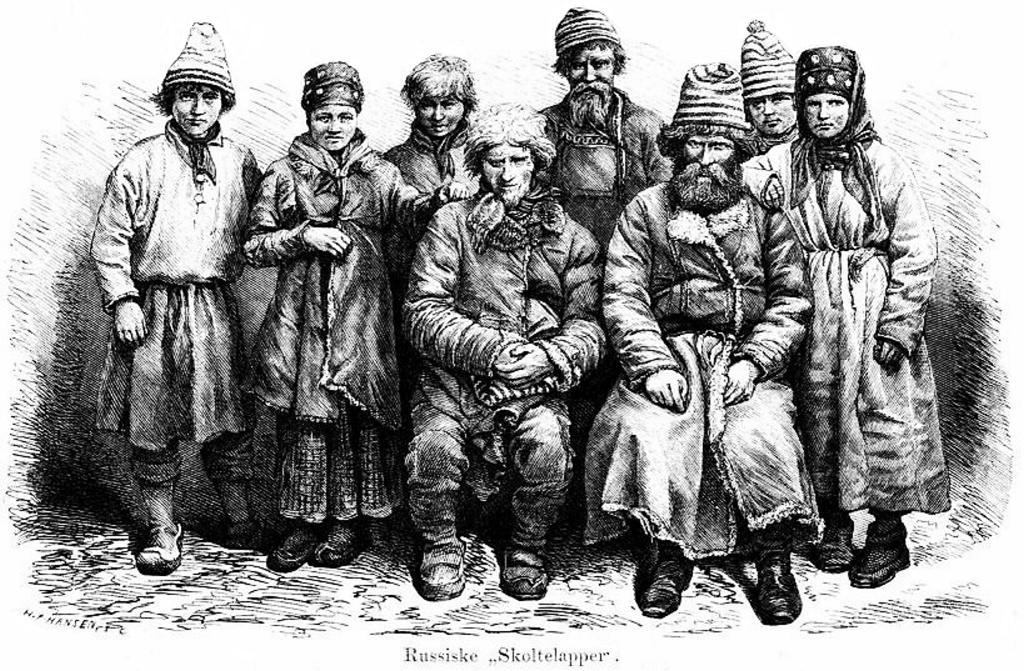 SkoltsSäʹmmla / Nuõrttsääʹm
🇫🇮 Finland and 2 moreIndigenous Sámi of the borderlands of Finland, Russia, and Norway
About 1,000, Uralic
SkoltsSäʹmmla / Nuõrttsääʹm
🇫🇮 Finland and 2 moreIndigenous Sámi of the borderlands of Finland, Russia, and Norway
About 1,000, Uralic