
Ngāpuhi
Largest Māori iwi of New Zealand's Northland region
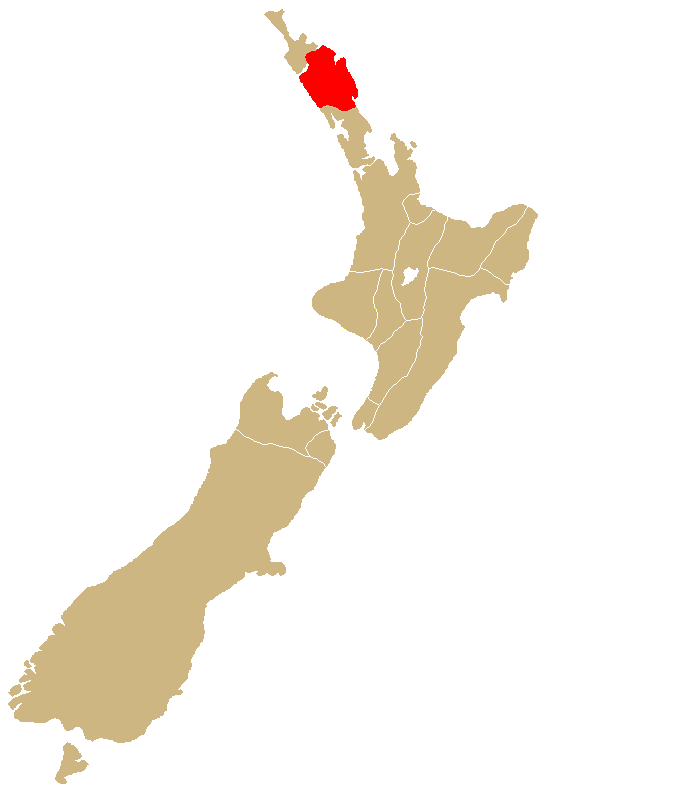
Ngāpuhi is the largest Māori iwi (tribe) in New Zealand, centred in the Northland region around Hokianga, the Bay of Islands, and Whangārei. With about 184,470 members as of the 2023 census, Ngāpuhi is known for its rich history, many subtribes, and a strong sense of shared identity.
- Ngāpuhi is the largest Māori iwi in New Zealand
- Centred in Northland, especially Hokianga and Bay of Islands
- Composed of about 150 hapū (subtribes) and 55 marae
- Key role in the signing of the Treaty of Waitangi
- Hosted the first Christian mission in New Zealand
Who are the Ngāpuhi?
Ngāpuhi is a Māori iwi (tribe) based in the Northland region of New Zealand. The iwi is made up of around 150 hapū (subtribes) and maintains 55 marae (traditional meeting places). Despite its size and the diversity of its subtribes, Ngāpuhi people share a strong sense of identity and common ancestry, tracing their roots back to the ancestor Rāhiri. The iwi’s unity is maintained through shared history, cultural practices, and the administration of Te Rūnanga ā Iwi o Ngāpuhi, which represents the iwi in dealings with the government and manages resources and initiatives for the community.
Where do the Ngāpuhi live?
Ngāpuhi’s homeland is the Northland Peninsula of New Zealand, especially the areas around Hokianga, the Bay of Islands, and Whangārei. This region is known for its harbours, rolling hills, and coastal landscapes. The land holds deep historical and spiritual significance for Ngāpuhi, with many important sites connected to their ancestors and stories. The area’s natural resources have supported the iwi for generations, shaping their way of life and their relationships with neighbouring tribes.
What language do the Ngāpuhi speak?
Ngāpuhi speak Māori, the Indigenous language of Aotearoa (New Zealand). Māori belongs to the Austronesian language family. While English is widely spoken, efforts continue to support the use and revitalisation of te reo Māori within Ngāpuhi communities, especially in marae settings and cultural events.
How do the Ngāpuhi live?
Traditionally, Ngāpuhi communities relied on farming and fishing, making use of the fertile land and abundant coastal resources of Northland. Today, many Ngāpuhi people also work in towns and cities, earning wages in a range of occupations. The iwi continues to manage resources and participate in economic development, including benefits from fisheries settlements. Marae remain important centres for social, cultural, and economic activities.
How is Ngāpuhi society organised?
Ngāpuhi society is organised around hapū (subtribes), each with its own leadership and marae. Descent is traced from common ancestors, especially Rāhiri, and intermarriage with other iwi has shaped the community over time. Decision-making often involves consultation among hapū leaders and elders. The Rūnanga (tribal council) acts on behalf of the iwi in official matters, ensuring that the voices of different hapū are heard and that resources are distributed fairly.


What do the Ngāpuhi believe?
Ngāpuhi have a rich tradition of oral history, ritual, and cultural practice. The iwi hosted the first Christian mission in New Zealand, and many Ngāpuhi have connections to Christian churches as well as Māori spiritual beliefs. Marae are central to cultural life, hosting ceremonies, meetings, and celebrations. Art, music, and storytelling continue to play important roles in expressing identity and passing on knowledge.
The history of the Ngāpuhi
Ngāpuhi trace their origins to ancestors who arrived in Aotearoa from Hawaiki, with the main founding ancestor being Rāhiri. Over centuries, Ngāpuhi expanded across the Northland peninsula, absorbing and intermarrying with neighbouring tribes. In the early 19th century, Ngāpuhi leaders such as Ruatara and Hongi Hika played key roles in New Zealand’s history, including hosting the first Christian mission and leading campaigns during the Musket Wars. Ngāpuhi chiefs were signatories to the 1835 Declaration of Independence and the 1840 Treaty of Waitangi. The iwi was central to the Flagstaff War against British forces, which had lasting effects on relations with the Crown.
Ngāpuhi life today
Ngāpuhi is the largest iwi in New Zealand, with over 184,000 members as of 2023. The iwi remains active in cultural, economic, and political life, with Te Rūnanga ā Iwi o Ngāpuhi representing its interests. Ngāpuhi continues to manage resources, support education, and advocate for the rights of its people. The iwi faces ongoing challenges related to land, treaty settlements, and the revitalisation of language and culture.
Questions people ask about the Ngāpuhi
Where do Ngāpuhi live?
Ngāpuhi are based in the Northland region of New Zealand, especially around Hokianga, the Bay of Islands, and Whangārei.
How many Ngāpuhi are there?
According to the 2023 New Zealand census, there are about 184,470 Ngāpuhi people.
What language do Ngāpuhi speak?
Ngāpuhi speak Māori, the Indigenous language of New Zealand, and many also speak English.
What is a hapū?
A hapū is a subtribe or extended family group within the iwi, each with its own leadership and marae.
What are Ngāpuhi known for?
Ngāpuhi are known for their large population, rich history, and central role in events like the Treaty of Waitangi and the Flagstaff War.
Sources and further reading
This page was written with AI assistance from the sources above and checked automatically before publishing. It may contain mistakes, and it is no substitute for hearing from the Ngāpuhi themselves. If something is wrong, tell us. Last refreshed 2026-10-02.
Neighbours in New Zealand
All peoples of New Zealand Ngāi Tahu
🇳🇿 New ZealandThe principal Māori iwi of New Zealand's South Island
About 85,000, Austronesian
Ngāi Tahu
🇳🇿 New ZealandThe principal Māori iwi of New Zealand's South Island
About 85,000, Austronesian
 Ngāti Kahungunu
🇳🇿 New ZealandA major Māori iwi of New Zealand’s eastern North Island
About 82,000, Austronesian
Ngāti Kahungunu
🇳🇿 New ZealandA major Māori iwi of New Zealand’s eastern North Island
About 82,000, Austronesian
 Ngāti Porou
🇳🇿 New ZealandA large Māori iwi from the East Cape and Gisborne regions of New Zealand
About 102,000, Austronesian
Ngāti Porou
🇳🇿 New ZealandA large Māori iwi from the East Cape and Gisborne regions of New Zealand
About 102,000, Austronesian
 Tainui
🇳🇿 New ZealandA Māori tribal confederation of the central North Island, New Zealand
Austronesian
Tainui
🇳🇿 New ZealandA Māori tribal confederation of the central North Island, New Zealand
Austronesian
Other Austronesian speakers
See them all MalaysOrang Melayu
🇲🇾 Malaysia and 4 moreAustronesian people of the Malay Peninsula, Sumatra, Borneo and nearby islands
About 30 million, Austronesian
MalaysOrang Melayu
🇲🇾 Malaysia and 4 moreAustronesian people of the Malay Peninsula, Sumatra, Borneo and nearby islands
About 30 million, Austronesian
 Minangkabaubangso Minangkabau
🇮🇩 Indonesia and 3 moreMatrilineal Muslim society from the highlands of West Sumatra
About 6.6 million, Austronesian
Minangkabaubangso Minangkabau
🇮🇩 Indonesia and 3 moreMatrilineal Muslim society from the highlands of West Sumatra
About 6.6 million, Austronesian
 Sundaneseᮅᮛᮀ ᮞᮥᮔ᮪ᮓ (Urang Sunda)
🇮🇩 Indonesia and 3 moreThe native people of western Java, Indonesia, known for their language and traditions
About 42 million, Austronesian
Sundaneseᮅᮛᮀ ᮞᮥᮔ᮪ᮓ (Urang Sunda)
🇮🇩 Indonesia and 3 moreThe native people of western Java, Indonesia, known for their language and traditions
About 42 million, Austronesian
 Balineseanak Bali
🇮🇩 IndonesiaHindu-majority people of Bali, known for art, dance, and water-temple farming
About 3.9 million, Austronesian
Balineseanak Bali
🇮🇩 IndonesiaHindu-majority people of Bali, known for art, dance, and water-temple farming
About 3.9 million, Austronesian