
Comanche
They call themselves Nʉmʉnʉʉ
Horse-centered Plains people of Oklahoma and the Southern Plains
The Comanche, or Nʉmʉnʉʉ, are a Native American people from the Southern Plains of the United States, now mainly in Oklahoma. Numbering about 17,000 enrolled members, they are known for their historic horse culture, bison hunting, and as skilled traders and warriors. Today, the Comanche Nation is federally recognized and headquartered in Lawton, Oklahoma.
- Comanche are renowned for their historic horse culture and bison hunting.
- Their homeland, Comanchería, spanned much of the Southern Plains.
- The Comanche Nation is headquartered in Lawton, Oklahoma.
- They number about 17,000 enrolled members today.
- Annual powwows and dances are central to Comanche cultural life.
Who are the Comanche?
The Comanche, who call themselves Nʉmʉnʉʉ ('the people'), are a Native American tribe with deep roots in the Southern Plains of the United States. Historically, they are known for their horse-centered nomadic lifestyle, bison hunting, and as formidable warriors and traders. Today, most Comanche belong to the federally recognized Comanche Nation, which is headquartered in Lawton, Oklahoma. Their sense of identity is shaped by shared language, history, and cultural practices, including annual gatherings and dances that bring together members from across the country.
Where do the Comanche live?
The traditional homeland of the Comanche, known as Comanchería, covered a vast area of the Southern Plains. This included present-day northwestern Texas, eastern New Mexico, southeastern Colorado, southwestern Kansas, and western Oklahoma. The land is characterized by open grasslands, rivers, and rolling plains, which supported large herds of bison and made it ideal for a nomadic, horse-based way of life. Today, most Comanche live in southwestern Oklahoma.
What language do the Comanche speak?
The Comanche language belongs to the Numic branch of the Uto-Aztecan family. It was originally a dialect of Shoshoni but developed into a distinct language as the Comanche moved south. At their peak, Comanche was widely spoken and served as a common language across the southern Great Plains. Today, English is also widely used, and language revitalization efforts are ongoing.
How do the Comanche live?
Traditionally, the Comanche were nomadic, relying on hunting—especially bison—and gathering wild foods. The introduction of horses transformed their way of life, allowing them to hunt more efficiently and travel great distances. They also traded extensively with neighboring tribes and settlers. In modern times, many Comanche work in various sectors, including tribal enterprises such as casinos, smoke shops, and cultural institutions.
How is Comanche society organised?
Comanche society was organized into bands, each made up of extended families led by a chief (paraivo). Bands were the main social and political units, and leadership was based on kinship and merit. Marriage outside one's own group was the norm, and families were patrilineal and patrilocal. Decision-making was collective, with chiefs guiding but not ruling absolutely. Today, the Comanche Nation has a formal government and holds annual councils.


What do the Comanche believe?
The Comanche have a rich spiritual tradition, including elements of animism and ceremonies connected to the land and animals. Many today also practice Christianity and participate in the Native American Church. Annual dances, powwows, and other gatherings are important for cultural expression, featuring music, dance, and regalia that reflect both tradition and adaptation.
The history of the Comanche
The Comanche emerged from the Shoshone people, moving onto the Southern Plains in the early 18th century. They became expert horse riders and dominated a vast territory known as Comanchería. Their power was built on bison hunting, trade, and warfare, including raids deep into Mexico. The arrival of settlers, disease, and the destruction of bison herds led to conflict and eventual defeat by the U.S. Army. By the mid-1870s, the Comanche were forced onto reservations in Indian Territory (now Oklahoma).
Comanche life today
Today, the Comanche Nation has about 17,000 enrolled members, with around 7,000 living in southwestern Oklahoma. The Nation runs its own government, businesses, and cultural programs. Annual events like the Comanche Homecoming Dance and powwows help maintain traditions. The community faces ongoing challenges but continues efforts in cultural preservation, language revitalization, and economic development.
Questions people ask about the Comanche
Where do the Comanche live today?
Most Comanche live in southwestern Oklahoma, with the Comanche Nation headquartered in Lawton. Their traditional homeland covered parts of Texas, Oklahoma, New Mexico, Colorado, and Kansas.
How many Comanche are there?
There are about 17,000 enrolled members of the Comanche Nation, with over 28,000 people self-identifying as Comanche in the 2020 US census.
What language do the Comanche speak?
The Comanche speak the Comanche language, which is part of the Numic branch of the Uto-Aztecan family. English is also widely spoken.
What are the main Comanche traditions?
Comanche traditions include annual dances, powwows, and ceremonies that celebrate their history, music, and regalia. Horse culture and bison hunting were central in the past.
What is the Comanche Nation's official status?
The Comanche Nation is a federally recognized tribe in the United States, with its own government and jurisdictional area in Oklahoma.
Sources and further reading
- Comanche on WikipediaEncyclopedia
- Official websiteOfficial site
- Encyclopaedia BritannicaArticle
- More photos on Wikimedia CommonsPhotos
- Wikidata recordOpen data
This page was written with AI assistance from the sources above and checked automatically before publishing. It may contain mistakes, and it is no substitute for hearing from the Comanche themselves. If something is wrong, tell us. Last refreshed 2026-10-02.
Neighbours in the United States
All peoples of the United States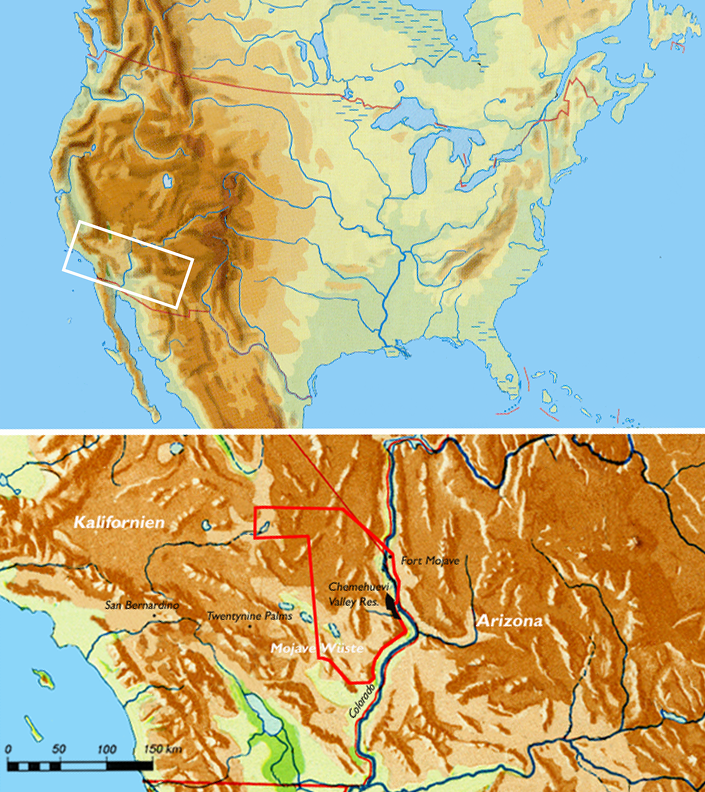 ChemehueviNüwüvi
🇺🇸 United StatesSouthernmost branch of the Southern Paiute in the Great Basin deserts
About 1,000, Uto-Aztecan (Numic branch)
ChemehueviNüwüvi
🇺🇸 United StatesSouthernmost branch of the Southern Paiute in the Great Basin deserts
About 1,000, Uto-Aztecan (Numic branch)
 Jewsיהודים
🇮🇱 Israel and 11 moreAn ethnoreligious group with ancient roots in Israel and a global presence today
About 15 million
Jewsיהודים
🇮🇱 Israel and 11 moreAn ethnoreligious group with ancient roots in Israel and a global presence today
About 15 million
 Uyghursئۇيغۇرلار / Уйғурлар / Uyghurlar
🇨🇳 China and 12 moreA Turkic people of Xinjiang, China, with deep roots in Central Asia
About 12 million, Turkic (Karluk branch)
Uyghursئۇيغۇرلار / Уйғурлар / Uyghurlar
🇨🇳 China and 12 moreA Turkic people of Xinjiang, China, with deep roots in Central Asia
About 12 million, Turkic (Karluk branch)
 Palestiniansفلسطينيون
🇵🇸 Palestine and 8 moreAn Arab people native to Palestine, with a large diaspora worldwide
About 14 million, Semitic
Palestiniansفلسطينيون
🇵🇸 Palestine and 8 moreAn Arab people native to Palestine, with a large diaspora worldwide
About 14 million, Semitic