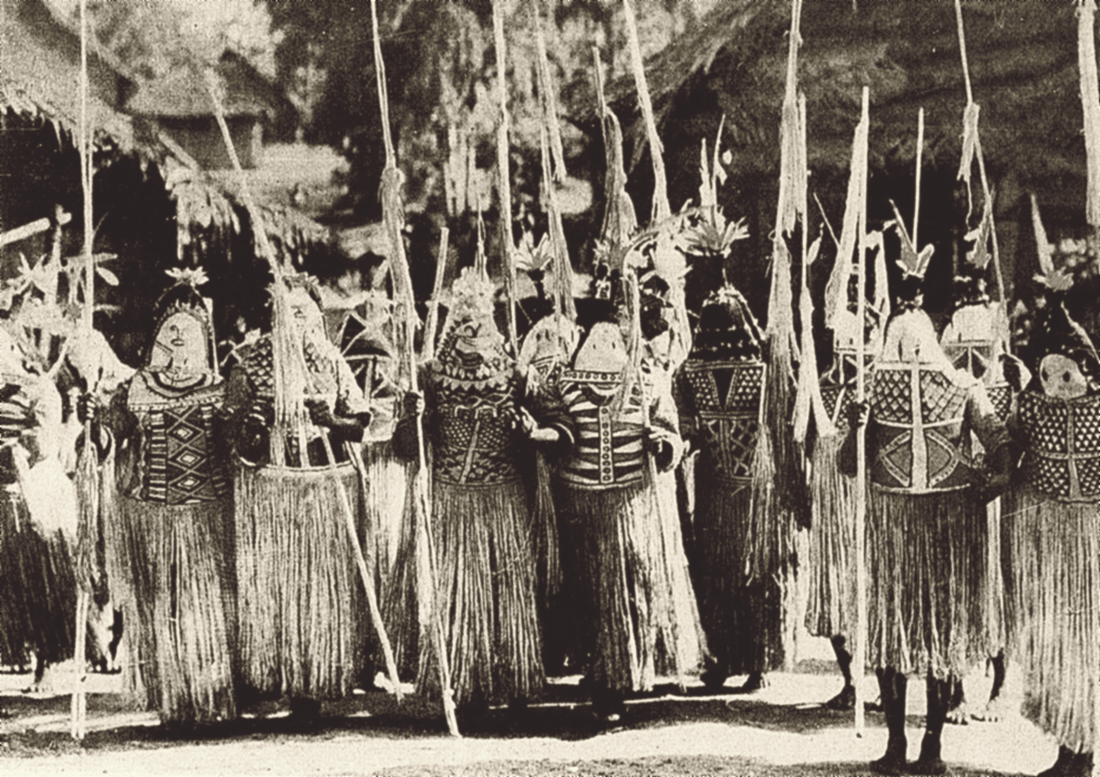
Kotiria
Indigenous people of the Vaupés River in Brazil and Colombia
The Kotiria, also known as Wanano, are an Indigenous group living along the Vaupés River in northwestern Amazonia, spanning Brazil and Colombia. They number several thousand and speak the Kotiria (Wanano) language, which remains widely used. The Kotiria are known for their multilingualism and strong cultural traditions.
Who are the Kotiria?
The Kotiria are an Indigenous people living along the Vaupés River, which runs through northwestern Brazil and Colombia. They are also known as Wanano. The Kotiria are closely connected by their language, shared customs, and strong ties to the river and forest. Multilingualism is common, as they interact with neighboring Indigenous groups. Their society is shaped by traditions, ceremonies, and a deep knowledge of their environment.
Where do the Kotiria live?
The Kotiria homeland is the Vaupés River region in the northwest Amazon. This area is marked by dense rainforest, winding rivers, and a humid tropical climate. The river is central to their daily life, providing food, transport, and a link to other communities. Villages are often located along the riverbanks, surrounded by the forest that supplies materials for building and tools.
What language do the Kotiria speak?
The Kotiria speak the Kotiria (Wanano) language, which belongs to the Tucanoan family. Most Kotiria still use their language as their first language, and it is considered healthy and widely spoken. Multilingualism is common, as many also speak neighboring Indigenous languages. The language is well documented and remains a strong marker of Kotiria identity.
How do the Kotiria live?
The Kotiria make their living mainly through fishing and farming. The river provides fish, a staple of their diet, while gardens near their villages yield crops suited to the tropical climate. They use local materials to build houses and craft tools. Daily life is closely tied to the river and forest, which offer both food and resources for making items needed in their homes.
How is Kotiria society organised?
Kotiria society is organized around families and close-knit communities. Marriage and kinship are important, and there are customs regarding who can marry whom, often discussed in anthropological studies. Decision-making is typically collective, with elders and respected members guiding the group. The Kotiria are known for their ceremonies, which involve dance and communal activities, strengthening social bonds.

What do the Kotiria believe?
The Kotiria have rich ceremonial traditions, including dances and burial practices observed by early ethnographers. While the sources do not detail their religious beliefs, it is noted that missionaries encouraged the abandonment of traditional beliefs in favor of Christianity. Despite this, many cultural practices and rituals remain important in Kotiria life.
The history of the Kotiria
The Kotiria region was first entered by Jesuit missionaries in the late 1700s, who established missions and encouraged Indigenous peoples to adopt Christianity and Portuguese. Boarding schools were later set up in larger settlements, and children were sent there, leading to cultural changes. The Kotiria were first documented by Alfred Wallace in 1852 and later studied by ethnologists and anthropologists, who recorded their ceremonies and multilingualism. Research continues to explore their society and culture.
Kotiria life today
Today, the Kotiria number several thousand, with communities in both Brazil and Colombia. Their language remains strong, and many continue traditional ways of life. However, they have faced pressures from missionary activity, boarding schools, and cultural change. Despite these challenges, the Kotiria maintain their identity and continue to pass on their language and customs.
Questions people ask about the Kotiria
Where do the Kotiria live?
The Kotiria live in Brazil and Colombia, in the Vaupés River region, northwestern Amazonia.
How many Kotiria people are there?
Our sources give the Kotiria population as about 3,312 in Colombia (2018), 725 in Brazil (2005). Counts of peoples vary with who is counted and when.
What language do the Kotiria speak?
The Kotiria speak Kotiria (Wanano), which belongs to the Tucanoan family of languages.
How do the Kotiria make a living?
The Kotiria are known for fishing and the sea and settled farming. Like most peoples, they combine several ways of making a living, and these have changed over time.
Sources and further reading
This page was written with AI assistance from the sources above and checked automatically before publishing. It may contain mistakes, and it is no substitute for hearing from the Kotiria themselves. If something is wrong, tell us. Last refreshed 2026-10-02.
Neighbours in Brazil
All peoples of Brazil Tucanoye’pâ-masa
🇨🇴 Colombia and 2 moreMultilingual Indigenous people of the Vaupés River in the northwest Amazon
About 6,000, Tucanoan
Tucanoye’pâ-masa
🇨🇴 Colombia and 2 moreMultilingual Indigenous people of the Vaupés River in the northwest Amazon
About 6,000, Tucanoan
 Cubeo
🇨🇴 Colombia and 2 moreIndigenous people of the Vaupés region in Colombia's northwest Amazon
About 4,000, Tucanoan
Cubeo
🇨🇴 Colombia and 2 moreIndigenous people of the Vaupés region in Colombia's northwest Amazon
About 4,000, Tucanoan
 Jewsיהודים
🇮🇱 Israel and 11 moreAn ethnoreligious group with ancient roots in Israel and a global presence today
About 15 million
Jewsיהודים
🇮🇱 Israel and 11 moreAn ethnoreligious group with ancient roots in Israel and a global presence today
About 15 million
 YorubaÌran Yorùbá
🇳🇬 Nigeria and 11 moreA major West African people rooted in Nigeria, Benin, and Togo
About 53 million, Volta-Niger (Niger–Congo)
YorubaÌran Yorùbá
🇳🇬 Nigeria and 11 moreA major West African people rooted in Nigeria, Benin, and Togo
About 53 million, Volta-Niger (Niger–Congo)