Chemehuevi
They call themselves Nüwüvi
Southernmost branch of the Southern Paiute in the Great Basin deserts
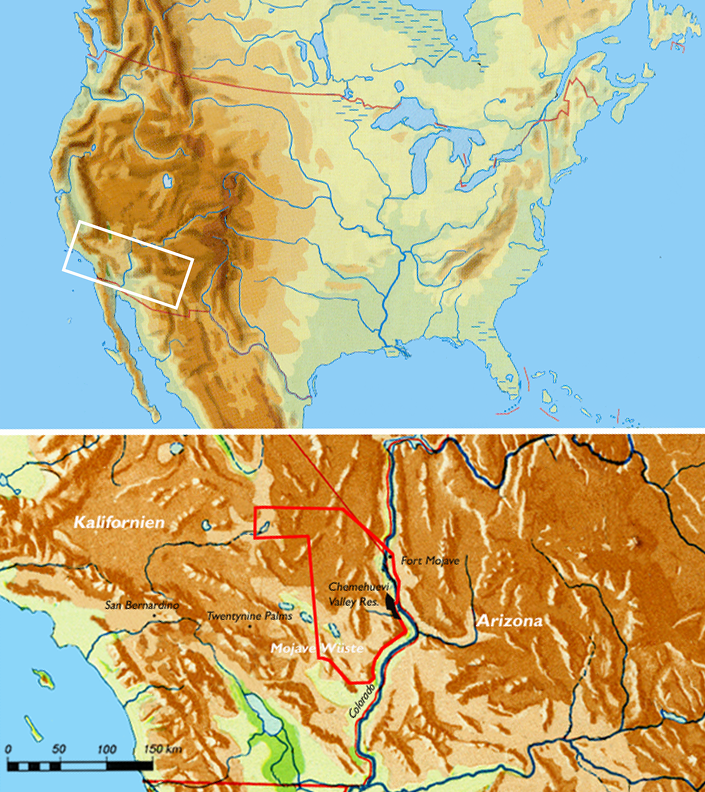
The Chemehuevi are an Indigenous people of the Great Basin, mainly in California and Arizona. They are the southernmost branch of the Southern Paiute and are enrolled in several federally recognized tribes. Their traditional lands span the Mojave Desert and Colorado River region. Today, their population is in the thousands.
- Southernmost branch of the Southern Paiute
- Traditional lands span the Mojave Desert and Colorado River
- Known for intricate willow basketry
- Language is critically endangered but being revitalized
- Enrolled in several federally recognized tribes
Who are the Chemehuevi?
The Chemehuevi are an Indigenous people of the Great Basin, recognized as the southernmost branch of the Southern Paiute. They have a distinct identity rooted in their language, territory, and traditions. Today, Chemehuevi people are enrolled in several federally recognized tribes in California and Arizona. Their community is held together by shared ancestry, language, and cultural practices, including basket weaving and oral traditions. The Chemehuevi value both independence and strong family ties, with a history of adapting to new circumstances while maintaining core traditions.
Where do the Chemehuevi live?
The Chemehuevi homeland covers the eastern Mojave Desert and the Colorado River valley, stretching from the Colorado River on the east to the Tehachapi Mountains on the west, and from the Las Vegas area and Death Valley in the north to the San Bernardino and San Gabriel Mountains in the south. This region is arid, with sparse resources, shaping the Chemehuevi’s nomadic lifestyle. The landscape includes desert valleys, mountain ranges, and river corridors, which have long influenced their movement and settlement patterns.
What language do the Chemehuevi speak?
The Chemehuevi language is part of the Colorado River Numic branch of the Uto-Aztecan family. It was first transcribed in the early 20th century and studied in detail in the 1970s. By the early 21st century, only a few fluent speakers remained, making the language critically endangered. Efforts to revitalize the language include teaching it to children and compiling a Chemehuevi dictionary.
How do the Chemehuevi live?
Traditionally, the Chemehuevi lived as nomadic foragers, moving in small groups to gather wild plants and hunt game in the desert. They are known for their intricate basketry, using willow, devil’s claw, and yucca. Today, some Chemehuevi continue to practice traditional crafts, while many work in wage labor or tribal enterprises. Their housing and tools have adapted over time, but traditional skills remain important to cultural identity.
How is Chemehuevi society organised?
Chemehuevi society was organized into small, mobile bands, often based on extended families. Decisions were made collectively, with respect for elders and experienced members. Marriage often connected different bands, and alliances were formed with neighboring groups. Today, community life is shaped by both traditional values and the structures of federally recognized tribes.


What do the Chemehuevi believe?
The Chemehuevi have a rich spiritual life, blending traditional beliefs with practices from the Native American Church, Sun Dance, and Christianity. Rituals, songs, and stories play a central role in community life. Basket weaving is both a craft and an expression of cultural identity. Dress and art reflect both traditional and contemporary influences.
The history of the Chemehuevi
The Chemehuevi have lived in the deserts of the Great Basin for centuries, adapting to a harsh environment. After European contact, they faced population decline and displacement. Their territory was reduced, and many joined or were incorporated into reservations with other tribes. Ethnographers like Carobeth Laird documented their culture and language, preserving knowledge for future generations. Despite pressures, the Chemehuevi have maintained a distinct identity.
Chemehuevi life today
Today, the Chemehuevi population is in the thousands, with members enrolled in several federally recognized tribes in California and Arizona. They continue to face challenges related to language loss and cultural preservation, but there are active efforts to teach the language and maintain traditions. Tribal governments manage land and resources, and community members work in a range of occupations.
Questions people ask about the Chemehuevi
Where do the Chemehuevi live?
The Chemehuevi live mainly in California and Arizona, especially in the Mojave Desert and along the Colorado River. They are enrolled in several federally recognized tribes in these states.
How many Chemehuevi are there?
In 2010, there were 1,201 Chemehuevi alone or in combination. By 2016, their population was reported to be in the thousands.
What language do the Chemehuevi speak?
The Chemehuevi traditionally speak the Chemehuevi language, a Colorado River Numic language in the Uto-Aztecan family. English is also widely spoken.
What are the Chemehuevi known for?
The Chemehuevi are known for their intricate basket weaving, nomadic desert lifestyle, and as the southernmost branch of the Southern Paiute.
Are the Chemehuevi a federally recognized tribe?
Yes, Chemehuevi people are enrolled in several federally recognized tribes in California and Arizona, including the Chemehuevi Indian Tribe of the Chemehuevi Reservation and the Colorado River Indian Tribes.
Sources and further reading
This page was written with AI assistance from the sources above and checked automatically before publishing. It may contain mistakes, and it is no substitute for hearing from the Chemehuevi themselves. If something is wrong, tell us. Last refreshed 2026-10-02.
Neighbours in the United States
All peoples of the United States ComancheNʉmʉnʉʉ
🇺🇸 United StatesHorse-centered Plains people of Oklahoma and the Southern Plains
About 17,000, Uto-Aztecan (Numic branch)
ComancheNʉmʉnʉʉ
🇺🇸 United StatesHorse-centered Plains people of Oklahoma and the Southern Plains
About 17,000, Uto-Aztecan (Numic branch)
 Jewsיהודים
🇮🇱 Israel and 11 moreAn ethnoreligious group with ancient roots in Israel and a global presence today
About 15 million
Jewsיהודים
🇮🇱 Israel and 11 moreAn ethnoreligious group with ancient roots in Israel and a global presence today
About 15 million
 Uyghursئۇيغۇرلار / Уйғурлар / Uyghurlar
🇨🇳 China and 12 moreA Turkic people of Xinjiang, China, with deep roots in Central Asia
About 12 million, Turkic (Karluk branch)
Uyghursئۇيغۇرلار / Уйғурлар / Uyghurlar
🇨🇳 China and 12 moreA Turkic people of Xinjiang, China, with deep roots in Central Asia
About 12 million, Turkic (Karluk branch)
 Palestiniansفلسطينيون
🇵🇸 Palestine and 8 moreAn Arab people native to Palestine, with a large diaspora worldwide
About 14 million, Semitic
Palestiniansفلسطينيون
🇵🇸 Palestine and 8 moreAn Arab people native to Palestine, with a large diaspora worldwide
About 14 million, Semitic