
Pocomtuc
Farmers and fishers of the Connecticut River Valley in western Massachusetts
The Pocomtuc were a Native American tribe who lived in western Massachusetts, mainly around the Deerfield and Connecticut Rivers. They are known for their maize farming, fishing, and for being deeply affected by disease and war after European contact. Today, the tribe no longer exists as a distinct community.
- Lived along the Deerfield and Connecticut Rivers in western Massachusetts
- Spoke an extinct Eastern Algonquian R-dialect
- Practiced maize farming, fishing, and hunting
- Devastated by smallpox and wars after European contact
- Many survivors merged with Abenaki in Quebec
Who were the Pocomtuc?
The Pocomtuc were an Indigenous people of the Connecticut River Valley, mainly in what is now western Massachusetts. They shared language and customs with other Algonquian-speaking tribes in the region. Their identity was shaped by their villages, family ties, and shared agricultural and fishing practices. The Pocomtuc were closely connected to the land, especially the fertile floodplains of the river, which supported their way of life. Community and kinship held them together, as did alliances and rivalries with neighboring tribes.
Where did the Pocomtuc live?
The Pocomtuc homeland centered on the confluence of the Deerfield and Connecticut Rivers in present-day Franklin County, Massachusetts. Their territory extended into Hampden and Hampshire Counties, as well as parts of northern Connecticut and southern Vermont. The area is marked by fertile meadows and river valleys, ideal for maize cultivation and fishing. Their main village, Pocumtuck, was near today's Deerfield, Massachusetts, and several other villages were scattered across the region.
What language did the Pocomtuc speak?
The Pocomtuc spoke an Eastern Algonquian language, specifically an R-dialect related to the Wappinger and Mahican languages. Their language is now extinct, with no known fluent speakers today. It was part of a broader family of languages spoken by many tribes in the northeastern United States.
How did the Pocomtuc live?
The Pocomtuc practiced semi-sedentary agriculture, growing maize, beans, and squash in the rich soils of the river valley. They also hunted local game and fished in the Connecticut River, which was a vital source of food and a transportation route. Archaeological evidence shows they cleared meadows for crops and used storage pits for food. Their diet and tools reflected a mix of farming, foraging, and fishing, similar to neighboring New England tribes.
How was Pocomtuc society organised?
Pocomtuc society was organized around villages and extended families. Kinship and clan ties were important, and leadership likely rested with village chiefs and councils of elders. Marriage and alliances with neighboring tribes played a role in their social structure. Decision-making was communal, with input from respected elders and leaders. The tribe formed alliances and sometimes rivalries with other regional groups.
What did the Pocomtuc believe?
The Pocomtuc followed an Indigenous religion, with spiritual beliefs tied to the land, rivers, and cycles of nature. Rituals and ceremonies likely marked important events, such as harvests and seasonal changes. Art, music, and dress would have reflected their connection to their environment and their community, though specific details are not recorded in the sources.
The history of the Pocomtuc
After European contact, the Pocomtuc suffered devastating losses from smallpox epidemics, to which they had no immunity. They became involved in conflicts among European powers and their Native allies. The Pocomtuc initially allied with the Tunxis and Narragansett against the Mohegan and Pequot, and later joined the Wampanoag Confederacy in King Philip's War against English colonists. After the war, many survivors fled to Schaghticoke on the Hudson River, and later merged with Abenaki communities in Quebec or moved further west. Notable figures include Chief Wawanotewat (Gray Lock), a leader who continued resistance after many had left.
What became of the Pocomtuc?
The Pocomtuc no longer exist as a distinct tribe. Some descendants are believed to live among the Abenaki at Saint-François-du-Lac in Quebec, Canada. Their former homelands are now part of Massachusetts and surrounding states. The memory of the Pocomtuc survives in place names and local history, and they are sometimes referenced in literature and popular culture.
Questions people ask about the Pocomtuc
Where did the Pocomtuc live?
The Pocomtuc lived in the Connecticut River Valley, mainly in western Massachusetts, with territory extending into northern Connecticut and southern Vermont.
How many Pocomtuc are there today?
The Pocomtuc are considered extinct as a tribe, but some descendants may live among the Abenaki in Quebec, Canada.
What language did the Pocomtuc speak?
They spoke an Eastern Algonquian language, specifically an R-dialect related to Wappinger and Mahican. The language is now extinct.
How did the Pocomtuc make a living?
They farmed maize, beans, and squash, hunted local game, and fished in the Connecticut River.
What happened to the Pocomtuc after European contact?
They suffered heavy losses from smallpox and war, and survivors eventually merged with Abenaki communities or moved west.
Sources and further reading
- Pocomtuc on WikipediaEncyclopedia
- Encyclopaedia BritannicaArticle
- More photos on Wikimedia CommonsPhotos
- Wikidata recordOpen data
This page was written with AI assistance from the sources above and checked automatically before publishing. It may contain mistakes, and it is no substitute for hearing from the Pocomtuc themselves. If something is wrong, tell us. Last refreshed 2026-10-02.
Neighbours in the United States
All peoples of the United States ShawneeŠaawanooaki
🇺🇸 United StatesAlgonquian-speaking people now based in Oklahoma, once of the Ohio Valley
About 8,000, Algonquian
ShawneeŠaawanooaki
🇺🇸 United StatesAlgonquian-speaking people now based in Oklahoma, once of the Ohio Valley
About 8,000, Algonquian
 ArapahoHinono'eino
🇺🇸 United StatesPlains Algonquian people now in Wyoming and Oklahoma
About 11,000, Algonquian
ArapahoHinono'eino
🇺🇸 United StatesPlains Algonquian people now in Wyoming and Oklahoma
About 11,000, Algonquian
 PotawatomiBodéwadmi
🇺🇸 United States and 1 moreKeepers of the fire in the Great Lakes and Plains, with many recognized bands today
About 43,000, Algonquian
PotawatomiBodéwadmi
🇺🇸 United States and 1 moreKeepers of the fire in the Great Lakes and Plains, with many recognized bands today
About 43,000, Algonquian
 Narragansett
🇺🇸 United StatesIndigenous people of Rhode Island, known for their ties to Narragansett Bay
About 3,000, Algonquian
Narragansett
🇺🇸 United StatesIndigenous people of Rhode Island, known for their ties to Narragansett Bay
About 3,000, Algonquian
Other Algonquian speakers
See them all Pequot
🇺🇸 United StatesNative people of Connecticut, known for survival and revival after near-destruction
About 2,000, Algonquian
Pequot
🇺🇸 United StatesNative people of Connecticut, known for survival and revival after near-destruction
About 2,000, Algonquian
 MenomineeMamaceqtaw
🇺🇸 United StatesA Native nation rooted in Wisconsin, known for wild rice and forest stewardship
About 9,000, Algonquian
MenomineeMamaceqtaw
🇺🇸 United StatesA Native nation rooted in Wisconsin, known for wild rice and forest stewardship
About 9,000, Algonquian
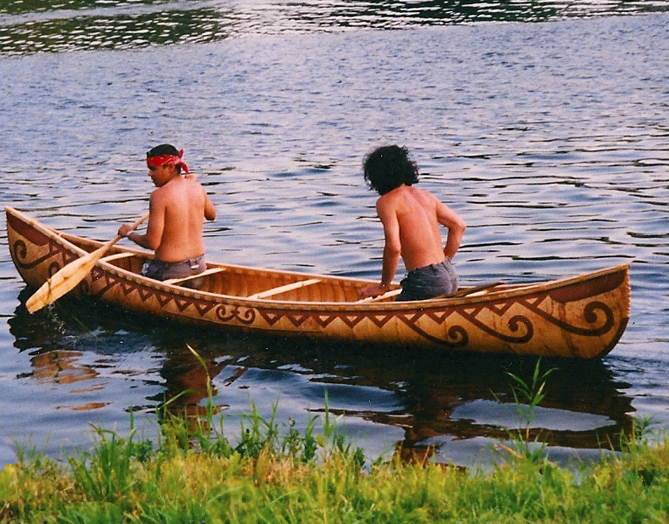 PassamaquoddyPeskotomuhkati
🇺🇸 United States and 1 moreNative people of Maine and New Brunswick, known for fishing and the Wabanaki Confederacy
About 4,000, Algonquian
PassamaquoddyPeskotomuhkati
🇺🇸 United States and 1 moreNative people of Maine and New Brunswick, known for fishing and the Wabanaki Confederacy
About 4,000, Algonquian
 Piegan BlackfeetPiikáni
🇺🇸 United States and 1 moreLargest group of the Blackfeet Confederacy in Montana and Alberta
About 105,000, Algonquian
Piegan BlackfeetPiikáni
🇺🇸 United States and 1 moreLargest group of the Blackfeet Confederacy in Montana and Alberta
About 105,000, Algonquian