
Sabaeans
Ancient South Arabian people of the kingdom of Sheba in Yemen
The Sabaeans were an ancient South Arabian people whose kingdom, Sheba (Saba), flourished in what is now Yemen from around 1000 or 800 BCE until 275 CE. They are best known for their role in the spice trade, monumental inscriptions, and their legendary association with the Queen of Sheba. Their influence reached parts of Eritrea and Ethiopia.
- Flourished in Yemen from around 1000 or 800 BCE to 275 CE
- Spoke and wrote Sabaic, a form of Old South Arabian
- Key players in the ancient spice trade, especially frankincense
- Built monumental inscriptions and irrigation works
- Linked to the Queen of Sheba in biblical and Quranic tradition
Who were the Sabaeans?
The Sabaeans were the people of the ancient kingdom of Sheba, located in South Arabia, mainly in present-day Yemen. Their society was closely tied to their kingdom, and their identity was shaped by shared language, religion, and participation in the region’s political and economic life. The Sabaeans are remembered for their role in the spice trade, their monumental inscriptions, and their influence on neighboring societies. Their name is linked to legends and traditions in the Hebrew Bible, the Quran, and Ethiopian Christianity.
Where did the Sabaeans live?
The Sabaeans lived in the region around Marib and Sirwah, in what is now central Yemen. This area is marked by oases and fertile valleys on the edge of the Sayhad desert. At their height, Sabaean influence extended across much of southwestern Arabia and into parts of the Horn of Africa, including areas in modern Eritrea and Ethiopia. The land supported agriculture and trade routes that connected Arabia, Africa, and beyond.
What language did the Sabaeans speak?
The Sabaeans spoke Sabaic, a variety of Old South Arabian. Sabaic was written in a distinctive script as early as the 11th or 10th centuries BCE. Thousands of monumental and cursive inscriptions survive, providing a detailed record of their society, religion, and trade. The language continued to be used in inscriptions for centuries after the fall of the kingdom.
How did the Sabaeans live?
The Sabaeans made their living through a mix of farming, crafts, and trade. They were especially known for their role in the spice trade, dealing in valuable aromatics like frankincense and myrrh. Their position along caravan routes allowed them to act as intermediaries between Arabia, Africa, and the wider ancient world. They built complex irrigation systems and monumental buildings, including temples and palaces. Their cities, such as Marib, were centers of commerce and culture.
How was Sabaeans society organised?
Sabaean society was organized around tribal communities called shaʿbs, which united under powerful leaders known as mukarribs or kings. Leadership was sometimes hereditary, but dynastic succession was rare. The kingdom was a monarchy, and decisions were made by rulers who held both political and religious authority. Social life was shaped by clan ties, religious rituals, and participation in public works like dam construction.


What did the Sabaeans believe?
The Sabaeans practiced South Arabian polytheism, worshipping a range of deities. Temples played a central role in their religious life, with the Almaqah temple at Marib being especially important. Rituals and offerings were part of daily life, and religious festivals marked the calendar. Art and monumental inscriptions reflected their beliefs and achievements. Their dress and music are not described in the sources.
The history of the Sabaeans
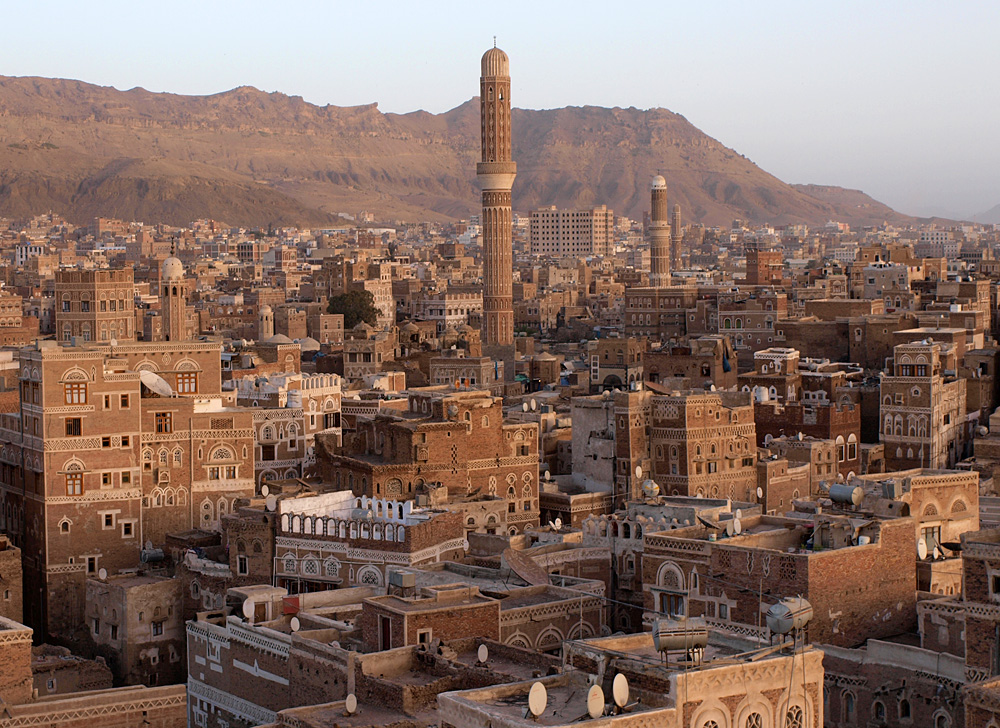
The Sabaean kingdom likely began between 1000 and 800 BCE. At first, it was centered around Marib, expanding to dominate South Arabia during the era of the mukarribs. The kingdom reached its peak in the 8th to 6th centuries BCE, controlling trade and territory through conquest and alliances. After a period of decline and contraction, Saba was annexed by the Himyarite Kingdom. A second Sabaean kingdom emerged in the 1st to 3rd centuries CE, with Sanaa as a secondary capital, but it too fell to Himyar around 275 CE. The Sabaeans then became a local tribe.
What became of the Sabaeans?
The Sabaeans no longer exist as a distinct people. Their legacy survives in inscriptions, archaeological sites, and the traditions of Yemen and the Horn of Africa. Their history is preserved in ancient texts and legends, including stories of the Queen of Sheba. Modern Yemenis and Ethiopians remember the Sabaeans as founders of early civilization in the region.
Questions people ask about the Sabaeans
Where did the Sabaeans live?
The Sabaeans lived mainly in the region around Marib and Sirwah in present-day Yemen. At their height, their influence reached parts of Eritrea and Ethiopia.
How many Sabaeans were there?
The sources do not give a specific population figure for the Sabaeans.
What language did the Sabaeans speak?
The Sabaeans spoke Sabaic, a variety of Old South Arabian. Their language is known from thousands of inscriptions.
What were the Sabaeans known for?
They were known for their role in the spice trade, especially in frankincense and myrrh, and for their monumental inscriptions and association with the Queen of Sheba.
Do the Sabaeans still exist today?
The Sabaeans no longer exist as a distinct people, but their legacy remains in archaeological sites and regional traditions.
Sources and further reading
This page was written with AI assistance from the sources above and checked automatically before publishing. It may contain mistakes, and it is no substitute for hearing from the Sabaeans themselves. If something is wrong, tell us. Last refreshed 2026-10-02.
Neighbours in Yemen
All peoples of Yemen Bedouinبدو
🇸🇦 Saudi Arabia and 15 moreNomadic and semi-nomadic Arab tribes of deserts from Arabia to North Africa
About 22 million, Afro-Asiatic
Bedouinبدو
🇸🇦 Saudi Arabia and 15 moreNomadic and semi-nomadic Arab tribes of deserts from Arabia to North Africa
About 22 million, Afro-Asiatic
 Israelitesבני ישראל
🇮🇱 Israel and 11 moreAncient Semitic-speaking people of Canaan, known for their tribal confederation
Historical, Canaanite (Northwest Semitic)
Israelitesבני ישראל
🇮🇱 Israel and 11 moreAncient Semitic-speaking people of Canaan, known for their tribal confederation
Historical, Canaanite (Northwest Semitic)
 Somalis
🇸🇴 Somalia and 6 morePastoral and trading people native to the Horn of Africa
About 28 million, Cushitic (Afroasiatic)
Somalis
🇸🇴 Somalia and 6 morePastoral and trading people native to the Horn of Africa
About 28 million, Cushitic (Afroasiatic)
 Minaeans
🇾🇪 Yemen and 4 moreAncient traders and kingdom-builders of northwest Yemen
Historical
Minaeans
🇾🇪 Yemen and 4 moreAncient traders and kingdom-builders of northwest Yemen
Historical