
Parisii
Iron Age Gallic tribe of the Seine, origin of the name Paris
The Parisii were a Gallic tribe who lived along the Seine River during the Iron Age and Roman era. Their main settlement, Lutetia, stood where Paris is today. Known for their role in Gallic resistance against Rome, they controlled key trade routes and contributed to the region’s cultural and economic development.
- Their main town, Lutetia, became the city of Paris.
- They joined Vercingetorix’s uprising against Julius Caesar in 52 BC.
- Controlled key trade routes along the Seine River.
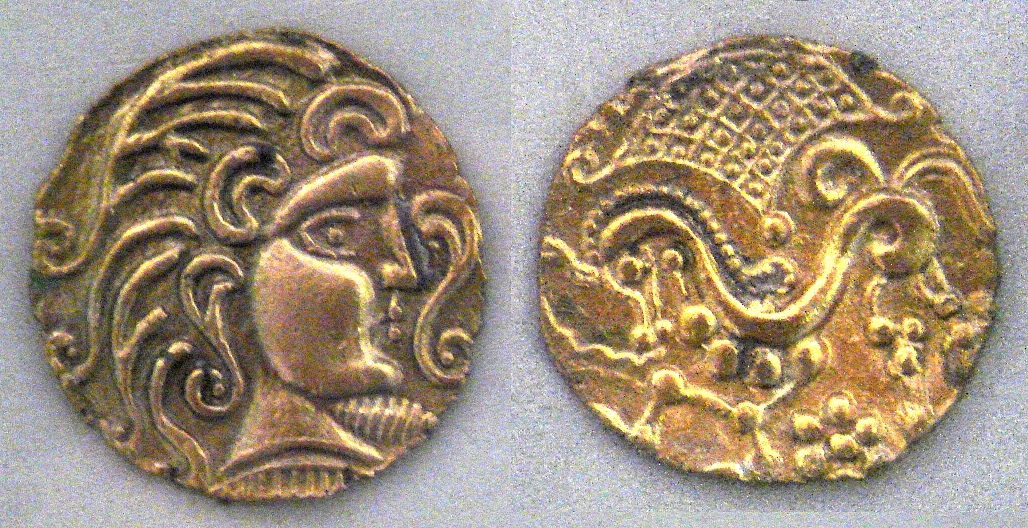
- Archaeological finds include Gallic coins from their territory.
- Mentioned by ancient authors such as Caesar and Strabo.
Who were the Parisii?
The Parisii were a Celtic-speaking Gallic tribe who lived along the Seine River during the Iron Age and the Roman era. They are best known as the people whose main settlement, Lutetia, later became the city of Paris. The Parisii were linked by language, shared customs, and a distinct political identity that emerged in the 3rd century BC. Their community was shaped by close ties to neighboring tribes but maintained autonomy, especially during key moments of resistance to Roman conquest.
Where did the Parisii live?
The Parisii homeland was centered on the banks of the Seine River, particularly around the island now known as Île de la Cité in modern Paris. Their territory was small but strategically important, controlling river crossings and trade routes between northern Gaul and the Mediterranean. The land included river valleys and confluences, making it a hub for commerce and cultural exchange.
What language did the Parisii speak?
The Parisii spoke Gaulish, a Celtic language once common across much of ancient Gaul. While Gaulish is no longer spoken, it was the main language of the Parisii during their era. The tribe’s name and place names in the region reflect this linguistic heritage.
How did the Parisii live?
The Parisii made their living through a mix of farming, crafts, and trade. Their location on the Seine allowed them to control river traffic and long-distance trade routes, which brought economic strength. Archaeological finds, such as coins, show their involvement in commerce. Their settlements, including the oppidum at Lutetia, were fortified and served as centers for trade and daily life.
How was Parisii society organised?
The Parisii formed a distinct political community by the early 2nd century BC, possibly after separating from the neighboring Senones. They were organized around their oppidum and likely had leaders or councils to make decisions, especially in times of conflict. The tribe’s social structure included families and clans, as was common among Gallic peoples, but specific details are not recorded in the sources.
What did the Parisii believe?
The sources do not provide details about the Parisii’s religious beliefs or rituals. As a Gallic tribe, they likely shared in the Celtic religious traditions of the region, which included reverence for natural features and a class of religious specialists known as druids. Artifacts such as coins suggest skilled craftsmanship and symbolic art.
The history of the Parisii
The Parisii emerged as a distinct group in the 3rd century BC, likely due to population growth in the Paris basin. By the early 2nd century BC, they had formed a political entity centered on Lutetia. In 53 BC, Julius Caesar mentioned Lutetia as a meeting place for Gallic tribes. The Parisii joined Vercingetorix’s uprising against Rome in 52 BC, burning their own town to resist the Romans. After defeat, their oppidum became a Roman city, and over time, Lutetia evolved into modern Paris.
What became of the Parisii?
The Parisii as a distinct tribe no longer exist. Their memory lives on in the name and history of Paris, which grew from their main settlement. Archaeological finds, such as coins and remnants of Lutetia, provide evidence of their presence and influence in the region. Their legacy continues in the city that bears their name.
Questions people ask about the Parisii
Where did the Parisii live?
The Parisii lived along the Seine River, mainly on the site of present-day Paris in France.
How many Parisii were there?
The sources do not give a population number for the Parisii.
What language did the Parisii speak?
The Parisii spoke Gaulish, a Celtic language common in ancient Gaul.
What happened to the Parisii?
After joining the Gallic uprising against Rome, their town became a Roman city. Over time, the Parisii ceased to exist as a distinct tribe, but their name survives in the city of Paris.
What were the Parisii known for?
They were known for their strategic location on the Seine, their role in Gallic resistance to Rome, and as the origin of the name Paris.
Sources and further reading
- Parisii (Gaul) on WikipediaEncyclopedia
- Encyclopaedia BritannicaArticle
- More photos on Wikimedia CommonsPhotos
- Wikidata recordOpen data
This page was written with AI assistance from the sources above and checked automatically before publishing. It may contain mistakes, and it is no substitute for hearing from the Parisii themselves. If something is wrong, tell us. Last refreshed 2026-10-02.
Neighbours in France
All peoples of France Lingones
🇫🇷 France and 1 moreA Gallic people of the Langres plateau and the Po plain in ancient times
Historical, Celtic
Lingones
🇫🇷 France and 1 moreA Gallic people of the Langres plateau and the Po plain in ancient times
Historical, Celtic
 Jewsיהודים
🇮🇱 Israel and 11 moreAn ethnoreligious group with ancient roots in Israel and a global presence today
About 15 million
Jewsיהודים
🇮🇱 Israel and 11 moreAn ethnoreligious group with ancient roots in Israel and a global presence today
About 15 million
 Kurdsکورد
🇹🇷 Turkey and 8 moreIndigenous Iranic people of Kurdistan, spanning Turkey, Iran, Iraq, and Syria
About 38 million, Western Iranic
Kurdsکورد
🇹🇷 Turkey and 8 moreIndigenous Iranic people of Kurdistan, spanning Turkey, Iran, Iraq, and Syria
About 38 million, Western Iranic
 ChechensНохчий (Nokhchiy)
🇷🇺 Russia and 11 moreA Northeast Caucasian people rooted in Chechnya and the North Caucasus
About 1.7 million, Northeast Caucasian
ChechensНохчий (Nokhchiy)
🇷🇺 Russia and 11 moreA Northeast Caucasian people rooted in Chechnya and the North Caucasus
About 1.7 million, Northeast Caucasian
Other Celtic speakers
See them all Gododdin
🇬🇧 United KingdomA Brittonic people of the Old North, famed in early Welsh poetry
Historical, Celtic
Gododdin
🇬🇧 United KingdomA Brittonic people of the Old North, famed in early Welsh poetry
Historical, Celtic
 Cornovii (Midlands)
🇬🇧 United KingdomAn Iron Age and Roman-era Celtic people of the English Midlands and Welsh borders
Historical, Celtic
Uberi
🇨🇭 SwitzerlandCeltic tribe of the upper Rhône in Iron Age and Roman Switzerland
Historical, Celtic
Segovii
🇮🇹 ItalyAn Iron Age Gallic tribe of the Alpes Cottiae
Historical, Celtic
Cornovii (Midlands)
🇬🇧 United KingdomAn Iron Age and Roman-era Celtic people of the English Midlands and Welsh borders
Historical, Celtic
Uberi
🇨🇭 SwitzerlandCeltic tribe of the upper Rhône in Iron Age and Roman Switzerland
Historical, Celtic
Segovii
🇮🇹 ItalyAn Iron Age Gallic tribe of the Alpes Cottiae
Historical, Celtic