Cornovii (Midlands)
An Iron Age and Roman-era Celtic people of the English Midlands and Welsh borders
The Cornovii were a Celtic people who lived during the Iron Age and Roman Britain in what is now Cheshire, Shropshire, north Staffordshire, north Herefordshire, and parts of eastern Wales. Their main centre became Viroconium (Wroxeter) under Roman rule. They are known for their hillforts, salt production, and as the namesake of a Roman military cohort.
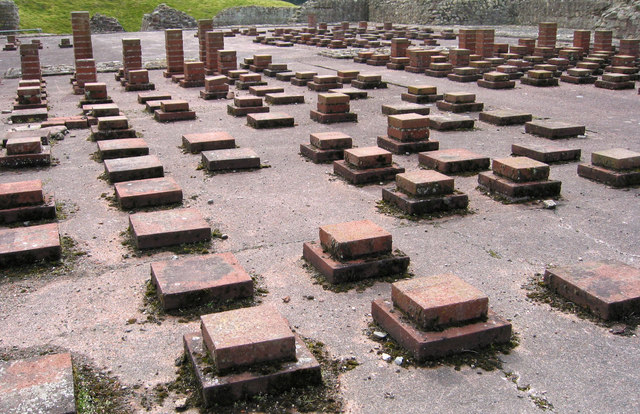
- Their main Roman-era town was Viroconium (Wroxeter), once the fourth largest in Britain.
- They built many hillforts, including The Wrekin and Titterstone Clee.
- Salt production was important, especially in Cheshire.
- The Cornovii gave their name to a Roman military cohort.
- A tombstone for Vedica, a Cornovian woman, was found outside their homeland.
Who were the Cornovii (Midlands)?
The Cornovii were a Celtic tribe who lived in the English Midlands and parts of eastern Wales during the Iron Age and Roman periods. Their identity was shaped by their territory, which included present-day Cheshire, Shropshire, north Staffordshire, north Herefordshire, and parts of Flintshire, Powys, and Wrexham. The Cornovii are known from ancient sources such as Ptolemy and from archaeological remains, especially their hillforts and the Roman town of Viroconium. They maintained a distinct presence through the Roman era, with their own military cohort and local traditions.
Where did the Cornovii (Midlands) live?
The Cornovii homeland covered a broad area of low hills, river valleys, and fertile plains in the English Midlands and the Welsh borderlands. This region included the valleys of the Severn and Dee rivers, with important sites at The Wrekin, Titterstone Clee, and Old Oswestry. The landscape supported both farming and herding, and the presence of salt deposits in Cheshire was significant for their economy. The area was bordered by other Celtic tribes, making it a crossroads of cultural and economic exchange.
What language did the Cornovii (Midlands) speak?
The Cornovii spoke a Celtic language, likely a form of Brittonic, which was common among the peoples of Iron Age and Roman Britain. While no written records of their language survive, place names and ancient sources suggest their speech was closely related to other Brittonic dialects. Over time, Latin would have influenced their language, especially in urban centres like Viroconium.
How did the Cornovii (Midlands) live?
The Cornovii made their living through a mix of farming, herding, and crafts. Archaeological finds show they cultivated cereal crops in river valleys and raised cattle, which were important for tribute and trade. Salt production was a notable activity, especially in Cheshire, where coarse pottery linked to salt transport has been found. They built and lived in hillforts, which served as centres of power and refuge. Metalworking and other crafts were practiced, as seen in ritual deposits and settlement remains.
How was Cornovii (Midlands) society organised?
Cornovii society was organised around local chieftains who resided in hillforts. Rural peasants supported these leaders through tribute in cattle and grain. Families likely lived in timber roundhouses, and the tribe may have included several clans or lineages. Decision-making would have centred on the chieftains and their councils. The tombstone of Vedica, a Cornovian woman, hints at named family connections and possible elite status within the tribe.
What did the Cornovii (Midlands) believe?
The Cornovii may have followed a horned god cult, as suggested by the meaning of their name and later folk traditions like the Abbot's Bromley Horn Dance. Ritual deposits, such as an iron adze in a roundhouse ditch, point to religious practices tied to the land and craft. With Roman rule, new religious influences arrived, including Roman deities and practices, especially in urban centres. Art, music, and dress are not described in detail in the sources.
The history of the Cornovii (Midlands)
Before the Romans, the Cornovii built and occupied many hillforts, including The Wrekin and Titterstone Clee. The Romans invaded their territory in 47 AD, and Viroconium (Wroxeter) became their main town and a major Roman centre. The Cornovii contributed a cohort to the Roman army, the only recorded native British unit known to have served in Britannia. After the Roman period, Viroconium continued as a local centre, with evidence of rebuilding and continued occupation into the early medieval period. Over time, their lands were absorbed into the kingdoms of Pengwern and Powys, and later Mercia.
What became of the Cornovii (Midlands)?
The Cornovii no longer exist as a distinct people. Their legacy survives in archaeological sites, especially the ruins of Viroconium near Wroxeter, and in local place names. Archaeological research continues to uncover details about their society, economy, and role in Roman Britain. The area they once inhabited is now part of modern England and Wales.
Questions people ask about the Cornovii (Midlands)
Where did the Cornovii live?
They lived in what is now Cheshire, Shropshire, north Staffordshire, north Herefordshire, and parts of eastern Wales, including Flintshire, Powys, and Wrexham.
What language did the Cornovii speak?
They spoke a Celtic language, likely a form of Brittonic, which was common in Iron Age and Roman Britain.
What were the Cornovii known for?
They are known for their hillforts, salt production, and for Viroconium (Wroxeter), their main Roman-era town.
Do the Cornovii still exist today?
No, the Cornovii no longer exist as a distinct people, but their legacy remains in archaeological sites and local history.
Did the Cornovii have any role in the Roman army?
Yes, the Cohors Prima Cornoviorum was a Roman military unit recruited from the Cornovii tribe.
Sources and further reading
- Cornovii (Midlands) on WikipediaEncyclopedia
- More photos on Wikimedia CommonsPhotos
- Wikidata recordOpen data
This page was written with AI assistance from the sources above and checked automatically before publishing. It may contain mistakes, and it is no substitute for hearing from the Cornovii (Midlands) themselves. If something is wrong, tell us. Last refreshed 2026-10-02.
Neighbours in the United Kingdom
All peoples of the United Kingdom Gododdin
🇬🇧 United KingdomA Brittonic people of the Old North, famed in early Welsh poetry
Historical, Celtic
Gododdin
🇬🇧 United KingdomA Brittonic people of the Old North, famed in early Welsh poetry
Historical, Celtic
 Jewsיהודים
🇮🇱 Israel and 11 moreAn ethnoreligious group with ancient roots in Israel and a global presence today
About 15 million
Jewsיהודים
🇮🇱 Israel and 11 moreAn ethnoreligious group with ancient roots in Israel and a global presence today
About 15 million
 YorubaÌran Yorùbá
🇳🇬 Nigeria and 11 moreA major West African people rooted in Nigeria, Benin, and Togo
About 53 million, Volta-Niger (Niger–Congo)
YorubaÌran Yorùbá
🇳🇬 Nigeria and 11 moreA major West African people rooted in Nigeria, Benin, and Togo
About 53 million, Volta-Niger (Niger–Congo)
 IgboŃdị́ Ìgbò
🇳🇬 Nigeria and 11 moreA major ethnic group of southeastern Nigeria with a rich history and diaspora
About 42 million, Niger-Congo
IgboŃdị́ Ìgbò
🇳🇬 Nigeria and 11 moreA major ethnic group of southeastern Nigeria with a rich history and diaspora
About 42 million, Niger-Congo
Other Celtic speakers
See them all Parisii
🇫🇷 FranceIron Age Gallic tribe of the Seine, origin of the name Paris
Historical, Celtic
Parisii
🇫🇷 FranceIron Age Gallic tribe of the Seine, origin of the name Paris
Historical, Celtic
 Lingones
🇫🇷 France and 1 moreA Gallic people of the Langres plateau and the Po plain in ancient times
Historical, Celtic
Uberi
🇨🇭 SwitzerlandCeltic tribe of the upper Rhône in Iron Age and Roman Switzerland
Historical, Celtic
Segovii
🇮🇹 ItalyAn Iron Age Gallic tribe of the Alpes Cottiae
Historical, Celtic
Lingones
🇫🇷 France and 1 moreA Gallic people of the Langres plateau and the Po plain in ancient times
Historical, Celtic
Uberi
🇨🇭 SwitzerlandCeltic tribe of the upper Rhône in Iron Age and Roman Switzerland
Historical, Celtic
Segovii
🇮🇹 ItalyAn Iron Age Gallic tribe of the Alpes Cottiae
Historical, Celtic