Segovii
An Iron Age Gallic tribe of the Alpes Cottiae
The Segovii were a Gallic tribe who lived in the Alpes Cottiae during the Iron Age, around present-day Cesana Torinese and Montgenèvre. They are known from ancient sources, including the Arch of Susa, and their name means 'the victorious, powerful' in Gaulish.
- Lived in the Alpes Cottiae during the Iron Age
- Known from the Arch of Susa inscription
- Name means 'the victorious, powerful' in Gaulish
- Territory included present-day Cesana Torinese and Montgenèvre
Who were the Segovii?
The Segovii were a Gallic tribe known from the Iron Age, living in the mountain region of the Alpes Cottiae. Their name, derived from the Gaulish root for 'victory' or 'force', suggests a people who valued strength and success. They are mentioned in Roman records and on the Arch of Susa, indicating their presence and importance in the region. The Segovii were part of the broader network of Gallic tribes that inhabited the Alpine areas.
Where did the Segovii live?
The Segovii lived in what is now the border region between Italy and France, specifically around Cesana Torinese and Montgenèvre. This area is part of the Alpes Cottiae, a mountainous region with important passes connecting different parts of the ancient world. Their territory lay south of the Belaci, north of the Brigianii and Quariates, and east of the Ucenni. The settlement of Ad Fines (modern Fenils) may have marked their border.
What language did the Segovii speak?
The Segovii spoke Gaulish, a Celtic language once common across much of western Europe. The name Segovii itself comes from Gaulish roots. Over time, Gaulish disappeared as Latin and later Romance languages became dominant in the region.
The history of the Segovii
The Segovii are recorded in Roman sources, most notably on the Arch of Susa, which was erected by Cottius in 9–8 BC. This monument lists the tribes of the region and marks the Segovii as one of the peoples living in the Alpes Cottiae during the late Iron Age. Their territory was strategically located along important Alpine passes, which would have brought them into contact with neighboring tribes and the expanding Roman world.
What became of the Segovii?
The Segovii no longer exist as a distinct community. Their memory survives through archaeological and historical records, such as inscriptions and ancient texts. The region they once inhabited is now part of modern Italy, and their legacy is part of the broader history of the Gallic peoples of the Alps.
Questions people ask about the Segovii
Where did the Segovii live?
The Segovii lived in the Alpes Cottiae, around present-day Cesana Torinese and Montgenèvre, in what is now Italy.
What language did the Segovii speak?
The Segovii spoke Gaulish, a Celtic language once used widely in western Europe.
Are the Segovii still around today?
No, the Segovii no longer exist as a distinct community. Their history is known from ancient records.
What are the Segovii best known for?
They are best known for being mentioned on the Arch of Susa and for their location in the Alpine passes.
Sources and further reading
This page was written with AI assistance from the sources above and checked automatically before publishing. It may contain mistakes, and it is no substitute for hearing from the Segovii themselves. If something is wrong, tell us. Last refreshed 2026-10-02.
Neighbours in Italy
All peoples of Italy Lingones
🇫🇷 France and 1 moreA Gallic people of the Langres plateau and the Po plain in ancient times
Historical, Celtic
Lingones
🇫🇷 France and 1 moreA Gallic people of the Langres plateau and the Po plain in ancient times
Historical, Celtic
 Sicels
🇮🇹 ItalyIron Age tribe of eastern Sicily known for their language and cults
Historical, Indo-European
Sicels
🇮🇹 ItalyIron Age tribe of eastern Sicily known for their language and cults
Historical, Indo-European
 Thuringi
🇩🇪 Germany and 2 moreA Germanic people of early medieval Central Germany
Historical
Thuringi
🇩🇪 Germany and 2 moreA Germanic people of early medieval Central Germany
Historical
 Sciri
🇺🇦 Ukraine and 2 moreAn East Germanic people once living north of the Black Sea and Danube
Historical, Germanic
Sciri
🇺🇦 Ukraine and 2 moreAn East Germanic people once living north of the Black Sea and Danube
Historical, Germanic
Other Celtic speakers
See them all Parisii
🇫🇷 FranceIron Age Gallic tribe of the Seine, origin of the name Paris
Historical, Celtic
Parisii
🇫🇷 FranceIron Age Gallic tribe of the Seine, origin of the name Paris
Historical, Celtic
 Gododdin
🇬🇧 United KingdomA Brittonic people of the Old North, famed in early Welsh poetry
Historical, Celtic
Gododdin
🇬🇧 United KingdomA Brittonic people of the Old North, famed in early Welsh poetry
Historical, Celtic
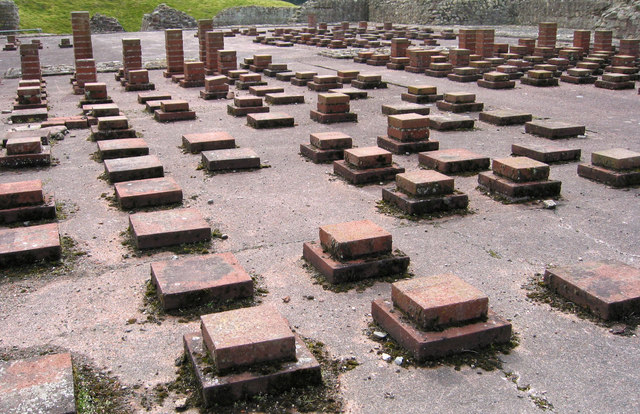 Cornovii (Midlands)
🇬🇧 United KingdomAn Iron Age and Roman-era Celtic people of the English Midlands and Welsh borders
Historical, Celtic
Uberi
🇨🇭 SwitzerlandCeltic tribe of the upper Rhône in Iron Age and Roman Switzerland
Historical, Celtic
Cornovii (Midlands)
🇬🇧 United KingdomAn Iron Age and Roman-era Celtic people of the English Midlands and Welsh borders
Historical, Celtic
Uberi
🇨🇭 SwitzerlandCeltic tribe of the upper Rhône in Iron Age and Roman Switzerland
Historical, Celtic