
Israelites
They call themselves בני ישראל
Ancient Semitic-speaking people of Canaan, known for their tribal confederation
The Israelites were an ancient Semitic-speaking people who lived in Canaan during the Iron Age. They spoke Biblical Hebrew and are known for their tribal organization and the kingdoms of Israel and Judah. Their descendants include Jews and Samaritans, and their traditions shaped later Judaism and Samaritanism.
- Organized into twelve tribes linked to Jacob's sons
- Spoke Biblical Hebrew, a Canaanite language
- Known for the kingdoms of Israel and Judah
- Religion centered on Yahweh, later became monotheistic
- Descendants include Jews and Samaritans
Who were the Israelites?
The Israelites were a people who spoke Biblical Hebrew and lived in Canaan during the Iron Age. They organized themselves into twelve tribes, each tracing descent from a son of Jacob, also called Israel. Their identity was shaped by shared ancestry, language, and religious traditions centered on Yahweh. Over time, they formed the kingdoms of Israel and Judah. Their descendants include Jews and Samaritans, and their cultural and religious legacy continues to influence the region.
Where did the Israelites live?
The Israelites lived in the region known as Canaan, which covers much of present-day Israel and Palestine. This land includes the central highlands, valleys, and some coastal areas. The area was fertile and supported both agriculture and herding. The Israelites' settlements were often in the hill country, which offered some protection from larger neighboring states.
What language did the Israelites speak?
The Israelites spoke Biblical Hebrew, a Canaanite language of the Northwest Semitic family. This language was used in their religious texts and daily life. Over time, Biblical Hebrew evolved and influenced later forms of Hebrew. Today, modern Hebrew is the only surviving dialect of the Canaanite languages, but differs from its ancient form.
How did the Israelites live?
The Israelites made their living through a mix of farming, herding, and crafts. They grew crops and raised animals suited to the hilly terrain of Canaan. Settlements often included small villages and towns with houses built from local materials. Crafts and trade were also important, especially as their society became more complex and urbanized.
How was Israelites society organised?
Israelite society was organized around twelve tribes, each linked to a son of Jacob. Leadership shifted over time from tribal elders and judges to kings during the monarchy. Family and clan ties were central, and descent was traced through the male line. Decisions were made by elders, judges, or kings, depending on the period. Marriage and kinship shaped daily life and social structure.



What did the Israelites believe?
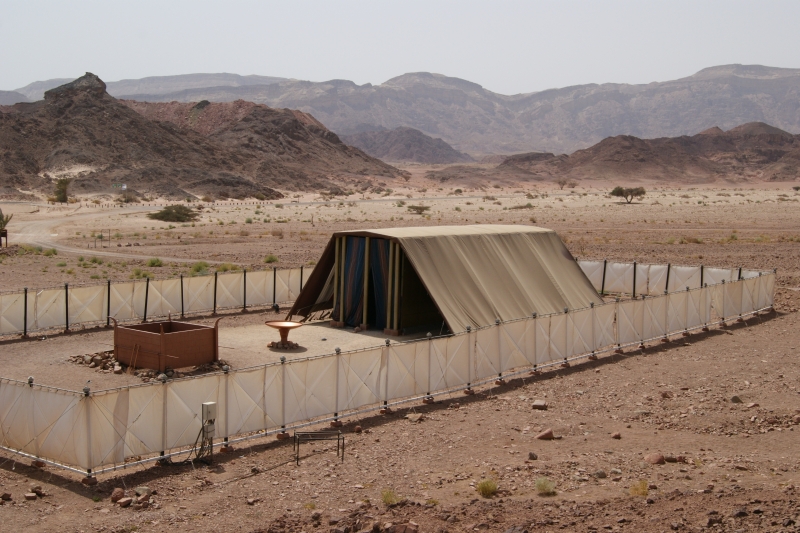
The Israelites' early religion focused on Yahweh, a god distinct from other Canaanite deities. Rituals and festivals marked their calendar, and the Ark of the Covenant was a central religious symbol. Over time, their beliefs shifted from worship of one main god among many (monolatry) to belief in only one god (monotheism), especially after the Babylonian exile. Art, music, and dress reflected both local and regional influences.
The history of the Israelites
The Israelites emerged from Canaanite and other Near Eastern peoples in the late Bronze and early Iron Age. According to their traditions, they were enslaved in Egypt and later settled in Canaan. They organized into tribes, then united under kings Saul, David, and Solomon. After Solomon, the kingdom split into Israel and Judah. Both fell to foreign empires: Israel to Assyria and Judah to Babylon. Many were exiled, but some returned under Persian rule, rebuilding their temple and community.
What became of the Israelites?
The Israelites as a distinct people no longer exist, but their descendants include Jews and Samaritans. Their traditions, language, and beliefs have shaped the development of Judaism and influenced cultures in the region. Archaeology and scholarship continue to study their origins and history, and their legacy remains central to the identity of many in the modern Middle East.
Questions people ask about the Israelites
Where did the Israelites live?
The Israelites lived in Canaan, a region that includes much of present-day Israel and Palestine, mainly in the central highlands and surrounding areas.
How many Israelites were there?
The sources do not give a specific population number for the Israelites.
What language did the Israelites speak?
The Israelites spoke Biblical Hebrew, which is part of the Canaanite branch of the Northwest Semitic language family.
What happened to the Israelites?
The kingdoms of Israel and Judah were conquered by the Assyrian and Babylonian empires. Many Israelites were exiled, and their descendants include Jews and Samaritans.
What was the Israelites' religion?
The Israelites practiced Yahwism, focusing on the god Yahweh. After the Babylonian exile, their beliefs became more strictly monotheistic, forming the basis of later Judaism.
Sources and further reading
- Israelites on WikipediaEncyclopedia
- Encyclopaedia BritannicaArticle
- More photos on Wikimedia CommonsPhotos
- Wikidata recordOpen data
This page was written with AI assistance from the sources above and checked automatically before publishing. It may contain mistakes, and it is no substitute for hearing from the Israelites themselves. If something is wrong, tell us. Last refreshed 2026-10-02.
Neighbours in Israel
All peoples of Israel Jewsיהודים
🇮🇱 Israel and 11 moreAn ethnoreligious group with ancient roots in Israel and a global presence today
About 15 million
Jewsיהודים
🇮🇱 Israel and 11 moreAn ethnoreligious group with ancient roots in Israel and a global presence today
About 15 million
 Palestiniansفلسطينيون
🇵🇸 Palestine and 8 moreAn Arab people native to Palestine, with a large diaspora worldwide
About 14 million, Semitic
Twelve Tribes of Israelשִׁבְטֵי־יִשְׂרָאֵל (Šiḇṭê Yiśrāʾēl)
🇮🇱 Israel and 5 moreAncient tribal confederation of the biblical Israelites in Canaan
Historical, Semitic
Palestiniansفلسطينيون
🇵🇸 Palestine and 8 moreAn Arab people native to Palestine, with a large diaspora worldwide
About 14 million, Semitic
Twelve Tribes of Israelשִׁבְטֵי־יִשְׂרָאֵל (Šiḇṭê Yiśrāʾēl)
🇮🇱 Israel and 5 moreAncient tribal confederation of the biblical Israelites in Canaan
Historical, Semitic
 Crimean Karaites
🇺🇦 Ukraine and 6 moreA Turkic-speaking Karaite Jewish community native to Crimea and Eastern Europe
About 2,000, Turkic (Kipchak branch)
Crimean Karaites
🇺🇦 Ukraine and 6 moreA Turkic-speaking Karaite Jewish community native to Crimea and Eastern Europe
About 2,000, Turkic (Kipchak branch)