
Marajoara
Ancient mound-building society of Marajó Island in the Amazon delta
The Marajoara were an ancient society that flourished on Marajó Island at the mouth of the Amazon River in northern Brazil, mainly between 800 and 1400 AD. They are best known for their large earthen mounds, complex settlements, and elaborately decorated ceramics. Their population may have reached tens of thousands, and their culture persisted into the colonial era.
- Built large earthen mounds for homes and burials
- Created elaborate painted and incised ceramics
- Relied on fishing and small seed crops for food
- Female figures are central in their art and symbolism
- Lived in communal longhouses called malocas
Who were the Marajoara?
The Marajoara were an Indigenous society who lived on Marajó Island at the mouth of the Amazon River. Their culture is recognized for its complex settlements, large earthen mounds, and highly decorated ceramics. The Marajoara organized themselves into communities that built and maintained these mounds for habitation, burial, and defense. Their society showed signs of social stratification and specialized craft production, especially in ceramics. The Marajoara are known for their female-centered iconography and for developing a way of life adapted to the Amazonian floodplain.
Where did the Marajoara live?
Marajó Island sits at the mouth of the Amazon River in northern Brazil. The land is a vast floodplain, with low-lying areas that are prone to seasonal flooding. The Marajoara built their settlements on natural and artificial mounds to stay above the water during the rainy season. The island is rich in small fish and palm trees, which shaped the Marajoara diet and daily life. The landscape also features rivers, streams, and wetlands, which the people modified with earthworks such as canals and ponds.
How did the Marajoara live?
The Marajoara relied on fishing and small-scale farming for their food. They caught fish using methods like stunning with poisonous plants, especially during the dry season when fish were trapped in shrinking pools. Their diet was based on small seed crops, tree fruits such as açai and tucuma, and fish, with little reliance on root crops like manioc. They made baskets and canoes from palm trees. The Marajoara also produced elaborate ceramics and other crafts, using imported stone tools for specialized tasks. Their settlements were built on mounds to avoid floods, with longhouses made of earth, wood, and thatch.
How was Marajoara society organised?
Marajoara society was organized into settlements of various sizes, from large multi-mound sites housing thousands to small single-mound villages. The largest sites, like Os Camutins, had up to 10,000 people. Houses were long, communal structures called malocas, with several families living together. These were arranged in ovals and built on mounds. Social stratification is suggested by the presence of elaborate burial urns for significant individuals. Ceremonial and utilitarian wares became more specialized over time, indicating craft specialization and possibly a hierarchy.


What did the Marajoara believe?
The Marajoara held shamanistic beliefs and worshipped the sun, as seen in cave paintings and artifacts. Female figures are common in their art, often shown as mythical ancestors or shamans. Their ceramics are highly decorated with anthropomorphic and zoomorphic motifs, geometric patterns, and scenes of daily life. Funerary urns were used to hold the cleaned bones of important people, reflecting ritual practices around death. Artifacts also include jewelry, figurines, and musical instruments, showing a rich symbolic and artistic tradition.
The history of the Marajoara
Human activity on Marajó Island dates back to at least 1000 BC, with the Marajoara culture flourishing between 800 and 1400 AD. The people built large earthen mounds for living and burial, developed complex settlements, and created elaborate ceramics. There is debate about their origins, with some suggesting migration from the Andes and others arguing for local development. The society may have supported up to 100,000 people at its peak. The culture persisted into the colonial era, but eventually declined, possibly due to environmental changes or contact with outsiders.
What became of the Marajoara?
The Marajoara culture no longer exists as a distinct society, but their legacy remains in the earthworks and ceramics found on Marajó Island. Museums in Brazil and abroad hold many Marajoara artifacts, and the Marajó Museum was created to preserve and share this heritage. Archaeological research continues to uncover new details about their society, art, and way of life.
Questions people ask about the Marajoara
Where did the Marajoara live?
The Marajoara lived on Marajó Island at the mouth of the Amazon River in northern Brazil, an area of floodplains and wetlands.
How many people lived in Marajoara society?
At its peak, Marajoara society may have supported as many as 100,000 people, with large settlements housing thousands.
What language did the Marajoara speak?
The sources do not specify the language spoken by the Marajoara.
What are the Marajoara best known for?
They are best known for their large earthen mounds, complex settlements, and elaborately decorated ceramics featuring female imagery.
What did the Marajoara eat?
Their diet was based on small seed crops, tree fruits like açai and tucuma, and fish, with little reliance on root crops.
Sources and further reading
- Marajoara culture on WikipediaEncyclopedia
- Encyclopaedia BritannicaArticle
- More photos on Wikimedia CommonsPhotos
- Wikidata recordOpen data
This page was written with AI assistance from the sources above and checked automatically before publishing. It may contain mistakes, and it is no substitute for hearing from the Marajoara themselves. If something is wrong, tell us. Last refreshed 2026-10-02.
Neighbours in Brazil
All peoples of Brazil Jewsיהודים
🇮🇱 Israel and 11 moreAn ethnoreligious group with ancient roots in Israel and a global presence today
About 15 million
Jewsיהודים
🇮🇱 Israel and 11 moreAn ethnoreligious group with ancient roots in Israel and a global presence today
About 15 million
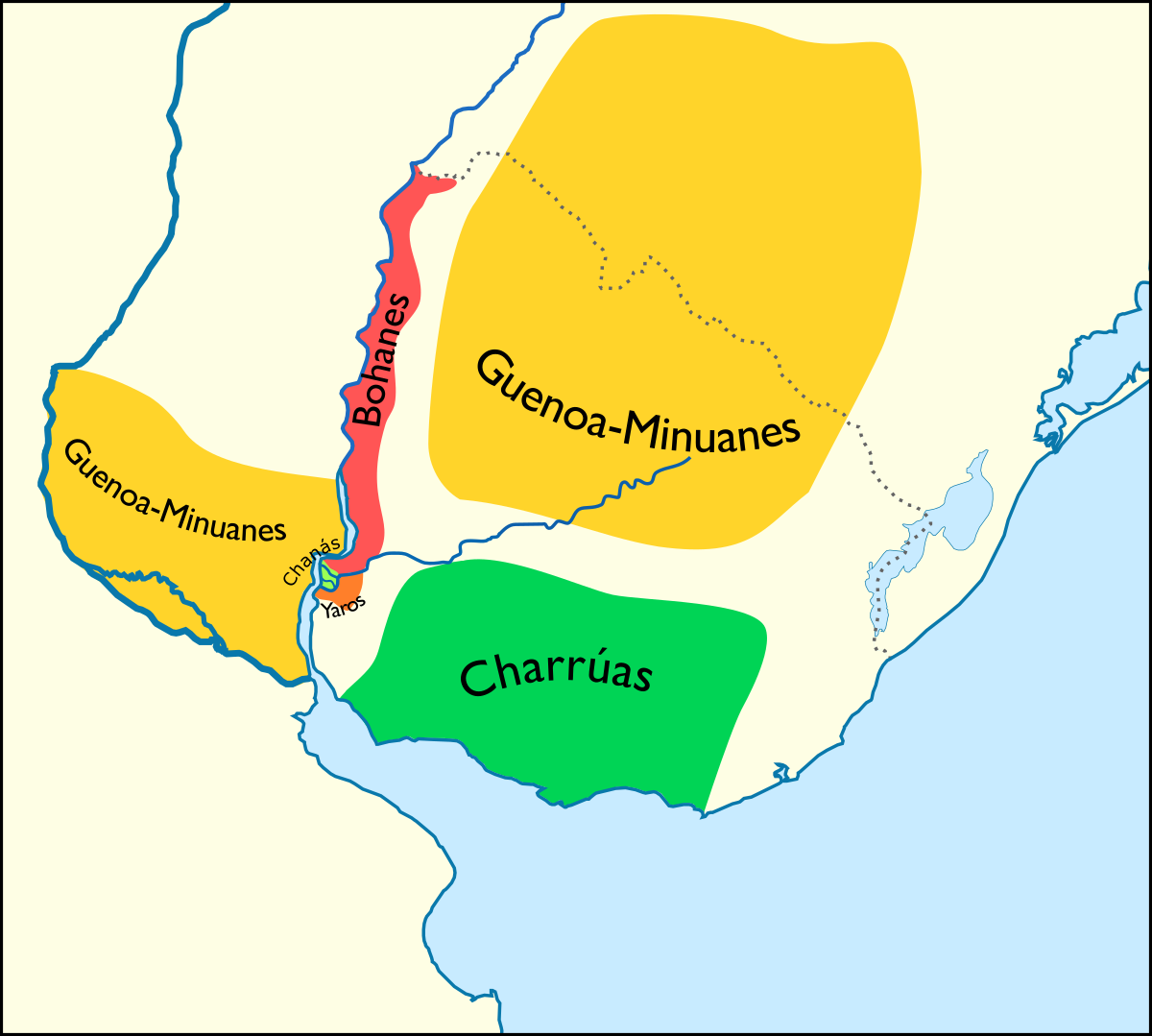 CharrúaCharrua
🇺🇾 Uruguay and 2 moreSemi-nomadic Indigenous people of Uruguay, Argentina, and Brazil
About 159,000
CharrúaCharrua
🇺🇾 Uruguay and 2 moreSemi-nomadic Indigenous people of Uruguay, Argentina, and Brazil
About 159,000
 Pataxó
🇧🇷 BrazilIndigenous people of Bahia, Brazil, reviving their language and culture
About 12,000
Aikanã
🇧🇷 BrazilIndigenous people of Rondônia, western Amazonian lowlands
About 350
Pataxó
🇧🇷 BrazilIndigenous people of Bahia, Brazil, reviving their language and culture
About 12,000
Aikanã
🇧🇷 BrazilIndigenous people of Rondônia, western Amazonian lowlands
About 350