
Shabankara
A confederation of herding and warrior tribes in medieval Fars, Iran
The Shabankara were an Iranian tribal confederation active from the 11th to 15th centuries in eastern Fars, Iran. Known for their herding and warrior traditions, they ruled several districts from their capital at Ij and often clashed with regional powers. Their society included several subdivisions and they claimed descent from legendary Iranian kings.
- Ruled parts of Fars province from the 11th to 15th centuries
- Organized into several herding and warrior subdivisions
- Claimed descent from legendary Iranian kings
- Capital was Ij (Ig), divided into six districts
- Combined Sunni Islam with ancient Persian customs
Who were the Shabankara?
The Shabankara were a confederation of Iranian tribes who lived in eastern Fars, Iran, from the 11th to the 15th centuries. Their society was organized into several subdivisions, including the Ismāʿīlī, Rāmānī, Karzuwī, Masʿūdī, and S̲h̲akānī. The Shabankara were known as herders and warriors, and their unity was shaped by shared traditions, leadership, and claims of descent from legendary Iranian figures. Their leaders ruled as princes or amirs, and the group maintained a strong sense of identity through both their tribal structure and their historical claims.
Where did the Shabankara live?
The Shabankara lived in eastern Fars province, a region of southern Iran. Their capital was Ij (also called Ig), and their territory was divided into six districts: Zarkān, Iṣṭabānān, Burk-Tārum-K̲h̲ayra, Nayriz, Kurm-Rūnīz-Lār, and Darabjird. This area included both fertile valleys and mountainous terrain, which supported their herding lifestyle and provided strongholds for defense. The region was strategically important and often contested by neighboring powers.
How did the Shabankara live?
The Shabankara made their living mainly through herding livestock, a way of life suited to the varied landscapes of Fars. They were also renowned as warriors, frequently engaging in conflicts with neighboring rulers and empires. Their society was organized into tribal subdivisions, each with its own leaders and responsibilities. The Shabankara used their skills in warfare and alliances to maintain autonomy and influence in the region. Some members also served in the armies of larger states, gaining both prestige and resources.
How was Shabankara society organised?
Shabankara society was structured around tribal divisions, with each subdivision—such as the Ismāʿīlī, Rāmānī, Karzuwī, Masʿūdī, and S̲h̲akānī—playing a role in the confederation. Leadership was hereditary, with chiefs (amirs or maliks) guiding both political and military affairs. Descent and identity were important, with claims of lineage from legendary Iranian kings reinforcing their status. Marriage and alliances between subdivisions helped maintain unity. Decision-making was centered on the chiefs, who negotiated with both internal factions and external powers.
What did the Shabankara believe?
At their court, the Shabankara combined strict Sunni Islamic practices with elements of ancient Persian tradition. They claimed descent from Ardashir I, founder of the pre-Islamic Sasanian Empire, and from the legendary hero-king Faridun. Rituals and customs reflected both Islamic orthodoxy and older Iranian beliefs, creating a unique cultural blend. Their dress, art, and music are not described in detail in the sources, but their identity was closely tied to both their faith and their historical claims.
The history of the Shabankara
The Shabankara rose to power under the leadership of Fadluya in the 11th century, after being deported to Fars by the Buyid dynasty. They established their own principality and often clashed with the Seljuks, Ilkhans, and other regional powers. Their chiefs alternately submitted to and rebelled against stronger neighbors, sometimes ruling independently and at other times facing defeat and execution. The Mongol invasion in 1260 led to the destruction of their capital and the death of their chief. Despite setbacks, the Shabankara maintained influence in the region until the early 15th century, when their power was finally broken by the Timurid and Muzaffarid dynasties.
What became of the Shabankara?
The historical Shabankara confederation no longer exists as a distinct political entity. However, a contemporary Kurdish tribe with the same name is found in Kermanshah province, Iran. The legacy of the Shabankara survives in regional history and in the dynasties they helped found, such as the Hazaraspids. Their former homeland is now part of modern Iran, and their history is studied by scholars interested in the region's tribal and political past.
Questions people ask about the Shabankara
Where did the Shabankara live?
The Shabankara lived in eastern Fars province, in what is now southern Iran. Their capital was Ij (Ig), and their territory included several districts such as Zarkān, Nayriz, and Darabjird.
How many Shabankara were there?
The sources do not provide a specific population figure for the Shabankara. Their society was organized into several tribal subdivisions, each with its own members and leaders.
What language did the Shabankara speak?
The sources do not specify the language spoken by the Shabankara. Some scholars debate their ethnic background, but their main identity was as an Iranian tribal confederation.
What was the main religion of the Shabankara?
The Shabankara practiced Sunni Islam but also kept ancient Persian customs at their court, blending Islamic beliefs with older traditions.
Are there Shabankara people today?
The historical Shabankara confederation no longer exists, but a contemporary Kurdish tribe named Shabankara lives in Kermanshah province, Iran.
Sources and further reading
This page was written with AI assistance from the sources above and checked automatically before publishing. It may contain mistakes, and it is no substitute for hearing from the Shabankara themselves. If something is wrong, tell us. Last refreshed 2026-10-02.
Neighbours in Iran
All peoples of Iran Magi
🇮🇷 Iran and 1 morePriestly caste of Zoroastrianism with ancient roots in Iran
Magi
🇮🇷 Iran and 1 morePriestly caste of Zoroastrianism with ancient roots in Iran
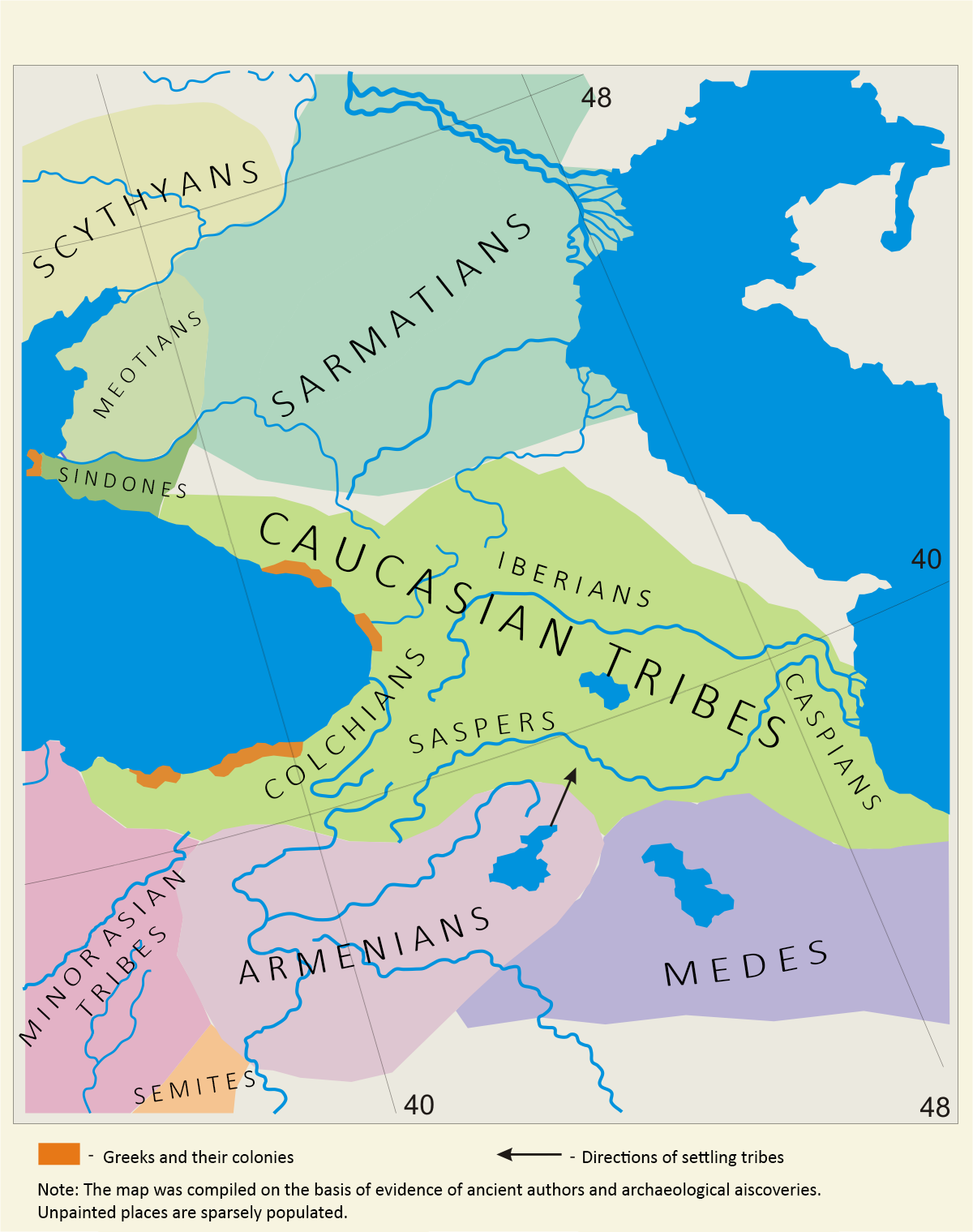 Caspians
🇦🇿 Azerbaijan and 1 moreAncient people of the southwestern Caspian Sea region
Historical
Caspians
🇦🇿 Azerbaijan and 1 moreAncient people of the southwestern Caspian Sea region
Historical
 Alchon Huns
🇮🇳 India and 3 moreNomadic conquerors of Central Asia and northern India in late antiquity
Historical
Alchon Huns
🇮🇳 India and 3 moreNomadic conquerors of Central Asia and northern India in late antiquity
Historical
 Al Qasimi
🇦🇪 United Arab Emirates and 3 moreArab tribe and dynasty ruling Sharjah and Ras Al Khaimah in the UAE
Al Qasimi
🇦🇪 United Arab Emirates and 3 moreArab tribe and dynasty ruling Sharjah and Ras Al Khaimah in the UAE