
Scordisci
A mixed people of the central Balkans, active from the 3rd to 1st century BC
The Scordisci were an ancient people who lived around the confluence of the Sava and Danube rivers in the central Balkans, mainly in what is now Serbia, from the 3rd to 1st century BC. They are known for their mixed Celtic, Thracian, and Illyrian roots and for being a dominant military power in the region before being subdued by Rome.
- Lived at the Sava and Danube confluence, now Belgrade
- Known as a mix of Celtic, Thracian, and Illyrian origins
- Dominant military power in the central Balkans (2nd century BC)
- Fought repeated wars against Rome before being subdued
- Divided into Greater and Lesser Scordisci groups
Who were the Scordisci?
The Scordisci were a people of the central Balkans, first noted in the 3rd century BC. Ancient writers described them as Celts, Thracians, Illyrians, or a mix, reflecting their complex origins. Their identity was shaped by both local traditions and the labels used by Greek and Roman observers. The Scordisci are best known for their military strength and for forming a dominant power in the region before the Roman conquest.
Where did the Scordisci live?
The Scordisci lived around the meeting point of the Sava and Danube rivers, in what is now northern Serbia. Their territory extended into parts of modern Bulgaria and Albania. Their main settlement was Singidunum, now Belgrade. The region included river valleys, mountains, and routes leading into Macedonia and Thrace, making it a crossroads of cultures and peoples.
What language did the Scordisci speak?
The sources do not name a specific language for the Scordisci. Their region had a mix of Gaulish, non-Celtic, and hybrid place-names, reflecting their composite character. The personal names found in the area show influences from Celtic, Illyrian, and Thracian languages, but no single language is clearly identified.
How was Scordisci society organised?
The Scordisci were not a single, uniform tribe but rather a set of communities with varied backgrounds. Ancient sources and modern scholars suggest they included both a Celtic warrior elite and a larger population with Illyrian and Thracian roots. Their society likely changed over time, shaped by migration, local alliances, and contact with neighboring peoples. The Scordisci were sometimes divided into Greater and Lesser groups, based on geography and composition.
The history of the Scordisci
The Scordisci are linked to the Gauls who invaded the Balkans and attacked Delphi in 279 BC. After this failed campaign, some of these groups settled at the Sava-Danube confluence and became known as the Scordisci. Through the 2nd century BC, they became the dominant power in the region, often clashing with Rome and its allies. Their territory reached its greatest size during this period, but repeated wars with Rome eventually led to their defeat and absorption under Roman rule.
Questions people ask about the Scordisci
Where did the Scordisci live?
The Scordisci lived around the confluence of the Sava and Danube rivers, mainly in what is now Serbia, with their main settlement at Singidunum (modern Belgrade).
What was the origin of the Scordisci?
Ancient sources link the Scordisci to the Gauls who invaded the Balkans in 279 BC, but they are described as a mix of Celtic, Thracian, and Illyrian elements.
What language did the Scordisci speak?
The sources do not name a specific language for the Scordisci; their region had a mix of Celtic, Illyrian, and Thracian influences.
What are the Scordisci best known for?
They are best known for being a dominant military power in the central Balkans and for their conflicts with Rome in the 2nd and 1st centuries BC.
Do the Scordisci still exist today?
No, the Scordisci are a historical people who were eventually absorbed into the Roman world after their defeat.
Sources and further reading
- Scordisci on WikipediaEncyclopedia
- Encyclopaedia BritannicaArticle
- More photos on Wikimedia CommonsPhotos
- Wikidata recordOpen data
This page was written with AI assistance from the sources above and checked automatically before publishing. It may contain mistakes, and it is no substitute for hearing from the Scordisci themselves. If something is wrong, tell us. Last refreshed 2026-10-02.
Neighbours in Serbia
All peoples of Serbia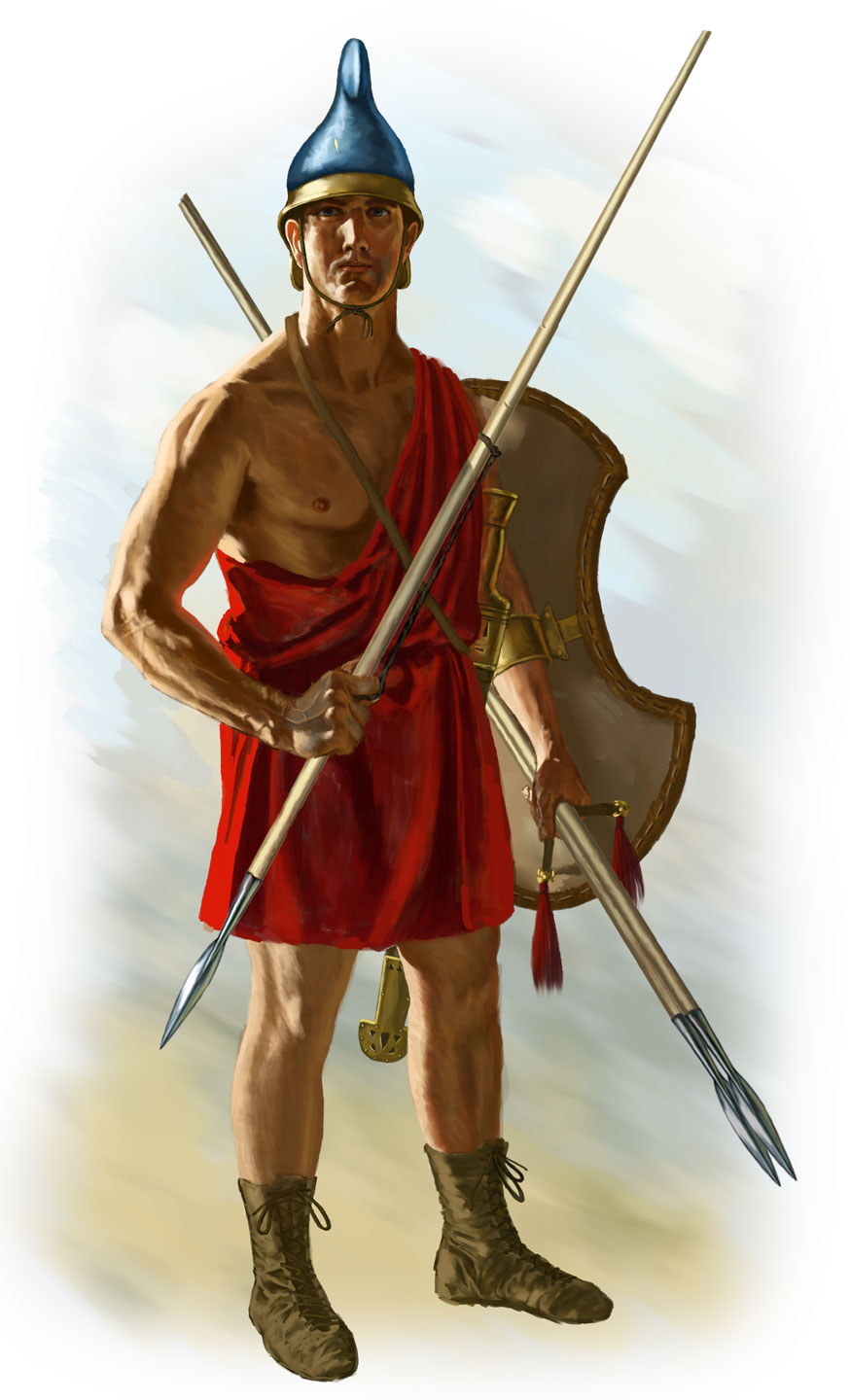 Agrianes
🇧🇬 Bulgaria and 2 moreAncient Paeonian tribe of the Upper Strymon region
Historical
Agrianes
🇧🇬 Bulgaria and 2 moreAncient Paeonian tribe of the Upper Strymon region
Historical
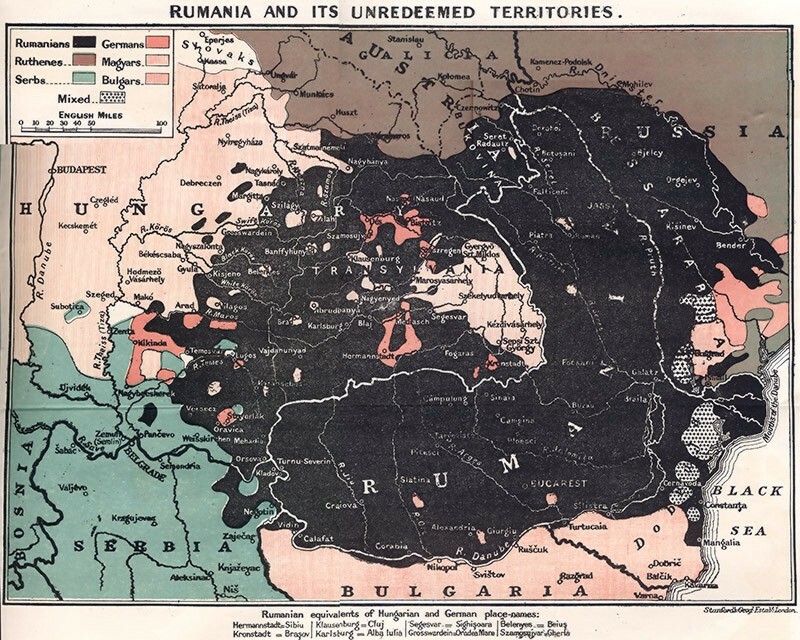 Rusyns
🇺🇦 Ukraine and 11 moreEast Slavic people native to the Carpathian Mountains
About 1.8 million, East Slavic
Rusyns
🇺🇦 Ukraine and 11 moreEast Slavic people native to the Carpathian Mountains
About 1.8 million, East Slavic
 Drobnjaci
🇲🇪 Montenegro and 7 moreA Serb tribal community from Old Herzegovina, now in Montenegro
About 15,000, Slavic
Drobnjaci
🇲🇪 Montenegro and 7 moreA Serb tribal community from Old Herzegovina, now in Montenegro
About 15,000, Slavic