
Belegezites
A South Slavic tribe of early medieval Thessaly, known for trade and local alliances
The Belegezites were a South Slavic tribe who settled in Thessaly, in what is now Greece, during the Early Middle Ages. They are noted for their trade with Byzantine Thessalonica, their role in regional conflicts, and their eventual Christianization in the 8th century.
- Settled in Thessaly, northern shores of the Pagasetic Gulf
- Traded with Byzantine Thessalonica by the late 7th century
- Used armed logboats for coastal raids and fishing
- Leaders aided Thessalonica during a siege
- Christianized in the 8th century after Byzantine campaigns
Who were the Belegezites?
The Belegezites were a South Slavic tribe who settled in the region of Thessaly in the Early Middle Ages. They are known from historical sources such as the Miracles of Saint Demetrius. The tribe was one of several Slavic groups that migrated into the Balkans during this period. What held the Belegezites together was their shared language, customs, and adaptation to the local environment. They interacted with neighboring tribes and the Byzantine population, sometimes as allies and sometimes as rivals. Their identity was shaped by both their Slavic roots and their experiences in their new homeland.
Where did the Belegezites live?
The Belegezites lived around Demetrias and Phthiotic Thebes, on the northern shores of the Pagasetic Gulf in Thessaly, Greece. This coastal region provided access to both land and sea resources. The area is sometimes linked to the medieval region of Velechatouia, though some scholars debate this identification. The landscape included fertile plains, coastal settlements, and access to important trade routes connecting the interior to the Aegean Sea.
What language did the Belegezites speak?
The specific language of the Belegezites is not detailed in the sources, but as a South Slavic tribe, they likely spoke a dialect related to early Slavic languages. Over time, contact with Greek-speaking populations and later Christianization would have influenced their language. No direct records of their language survive.
How did the Belegezites live?
The Belegezites engaged in trade, particularly with the Byzantine city of Thessalonica. They are known to have used armed logboats, which suggests fishing and raiding along the coasts were also important. The region's fertile land and access to the sea allowed for a mixed economy. During times of conflict, they supplied goods to allies and participated in coastal raids. Their settlements would have included simple dwellings suited to both agriculture and maritime activities.
How was Belegezites society organised?
Details about the internal organization of the Belegezites are limited. Leadership is attested, with figures such as Tihomir named in historical records. Like other Slavic tribes, they likely organized themselves in extended family groups or clans, with chiefs or elders making decisions. Alliances with neighboring tribes and with the Byzantines at times were important for survival and trade.
What did the Belegezites believe?
The Belegezites were originally pagan, as were other Slavic tribes of the time. By the 8th century, after campaigns by Byzantine emperor Nikephoros I, they began to convert to Christianity. This is reflected in the construction of religious buildings in Thessaly during that period. Their beliefs and rituals would have gradually shifted from traditional Slavic practices to Christian ones.
The history of the Belegezites
The Belegezites settled in Thessaly during the early medieval Slavic migrations into the Balkans. By the late 7th century, they were trading with Thessalonica and played a role during the city's siege by other tribes. Their leaders provided aid to the besieged city, showing political flexibility. They also participated in coastal raids using armed boats. In the 8th century, the tribe underwent Christianization following Byzantine military campaigns. Over time, their distinct identity faded as they assimilated with the local population.
What became of the Belegezites?
The Belegezites no longer exist as a distinct group. Their descendants are likely part of the modern population of Thessaly and surrounding regions. The tribe is remembered through historical records and archaeological finds, which shed light on the early medieval history of Greece and the Slavic migrations.
Questions people ask about the Belegezites
Where did the Belegezites live?
The Belegezites lived in Thessaly, on the northern shores of the Pagasetic Gulf, in what is now Greece.
How many Belegezites were there?
The sources do not give a population figure for the Belegezites.
What language did the Belegezites speak?
The sources do not specify their language, but as a South Slavic tribe, they likely spoke an early Slavic dialect.
What were the Belegezites known for?
They were known for trading with Thessalonica, using armed logboats for raids, and aiding the city during a siege.
What happened to the Belegezites?
They were Christianized in the 8th century and gradually assimilated into the local population of Thessaly.
Sources and further reading
This page was written with AI assistance from the sources above and checked automatically before publishing. It may contain mistakes, and it is no substitute for hearing from the Belegezites themselves. If something is wrong, tell us. Last refreshed 2026-10-02.
Neighbours in Greece
All peoples of Greece Minaeans
🇾🇪 Yemen and 4 moreAncient traders and kingdom-builders of northwest Yemen
Historical
Minaeans
🇾🇪 Yemen and 4 moreAncient traders and kingdom-builders of northwest Yemen
Historical
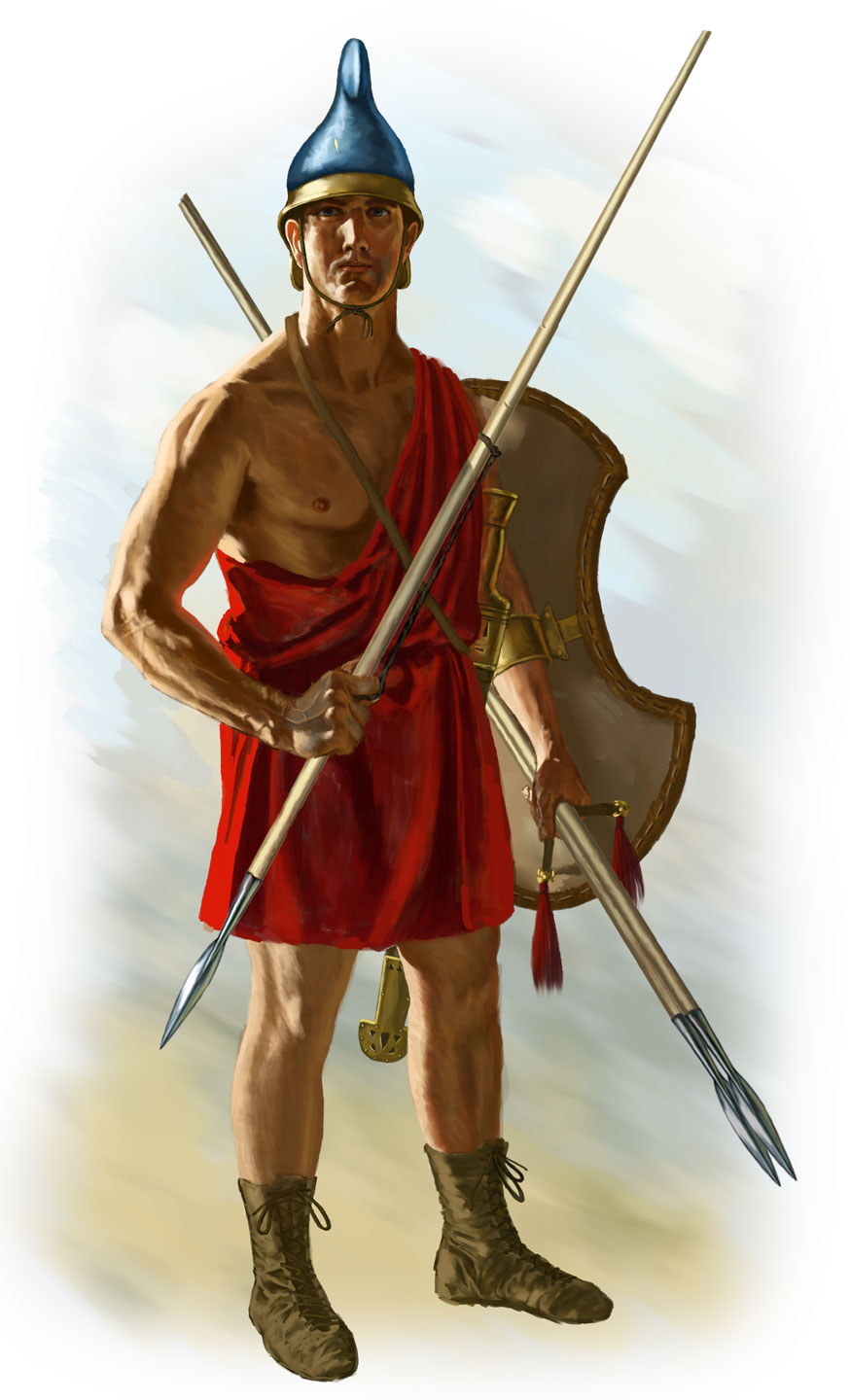 Agrianes
🇧🇬 Bulgaria and 2 moreAncient Paeonian tribe of the Upper Strymon region
Historical
Agrianes
🇧🇬 Bulgaria and 2 moreAncient Paeonian tribe of the Upper Strymon region
Historical
 AssyriansĀṯūrāyē / Suryoye / Suryāyē
🇮🇶 Iraq and 14 moreAn indigenous Christian people of northern Mesopotamia, speaking Neo-Aramaic.
About 1.2 million, Semitic
AssyriansĀṯūrāyē / Suryoye / Suryāyē
🇮🇶 Iraq and 14 moreAn indigenous Christian people of northern Mesopotamia, speaking Neo-Aramaic.
About 1.2 million, Semitic
 GagauzGagauzlar
🇲🇩 Moldova and 8 moreA Turkic-speaking Orthodox Christian people of southern Moldova and Ukraine
About 150,000, Turkic
GagauzGagauzlar
🇲🇩 Moldova and 8 moreA Turkic-speaking Orthodox Christian people of southern Moldova and Ukraine
About 150,000, Turkic