
Varisci
A Germanic people of the Roman-era Danube frontier
The Varisci were a Germanic people living north of the Roman Danube frontier around 100 AD, in the region near present-day Linz. They are known from Roman sources and were closely associated with other Suebian tribes. Their later fate is unclear, but they may have been relocated to Italy by the Romans.
- Known from Roman records as a Germanic tribe near the Danube
- Also called Varisti, Naristi, Narisci, and Ouaristoi
- Allied with the Hermunduri, Marcomanni, and Quadi
- May have been relocated to Italy by Marcus Aurelius
- Linked to the medieval Provincia Variscorum in Saxony
Who were the Varisci?
The Varisci were a Germanic tribe known from Roman-era records. They are described as a single people despite several variations in their name, such as Varisti, Naristi, and Narisci. Roman authors grouped them with other Suebian tribes like the Hermunduri, Marcomanni, and Quadi. These tribes were closely allied and moved into the Danube region together, likely under pressure from Roman expansion. The Varisci are best known for their role in the shifting tribal landscape along the Roman frontier.
Where did the Varisci live?
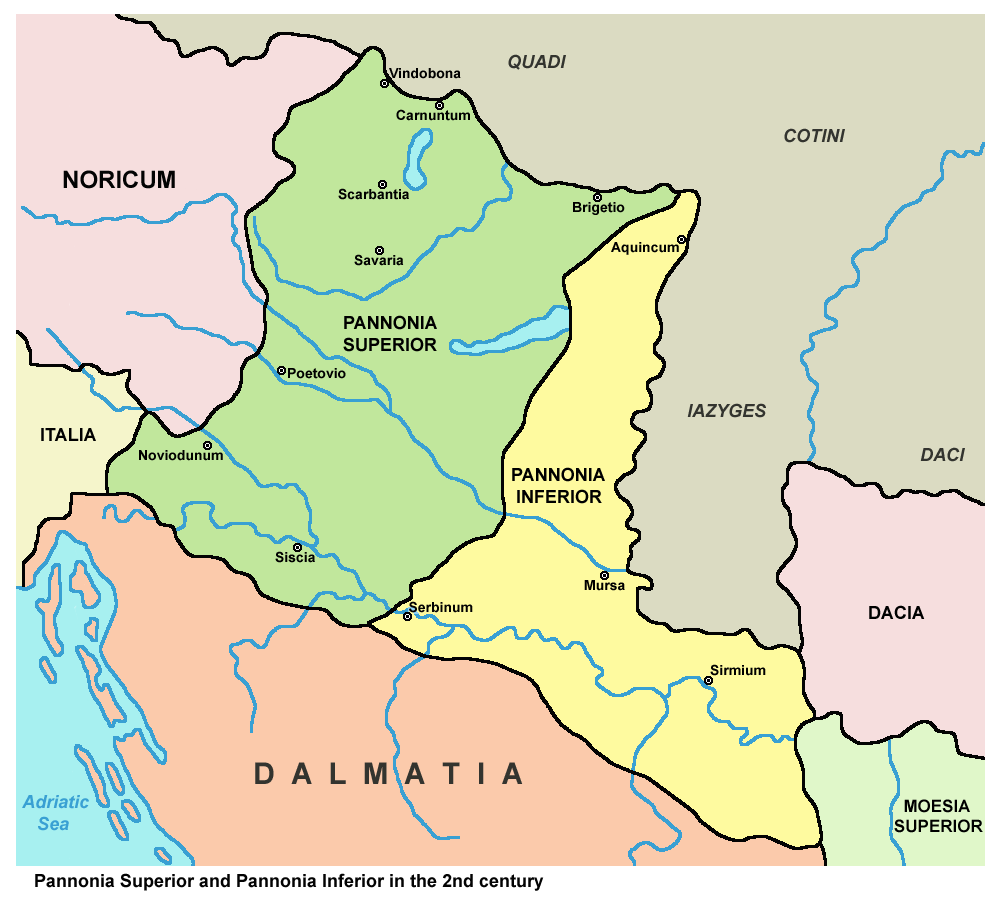
The Varisci lived just north of the Roman frontier on the Danube river, in a region east of the Hermunduri and west of the Marcomanni and Quadi. Ancient sources place them south of the Sudeten Mountains and north of the Gabreta Forest, which corresponds to an area near present-day Linz. This region was a crossroads for many migrating peoples during the Roman era.
What language did the Varisci speak?
The sources do not specify the language of the Varisci. As a Germanic people, they likely spoke a Germanic language, but no records of their specific dialect or language survive. Their close association with other Suebian tribes suggests linguistic similarities within that group.
The history of the Varisci
The Varisci appear in Roman records around 100 AD, during a period of significant tribal movement in central Europe. They were part of a group of Suebian tribes that migrated into the Danube region, displacing earlier Celtic inhabitants such as the Boii. During the Marcomannic Wars under Marcus Aurelius, the chief of the Naristi (another name for the Varisci) was killed by a Roman general. After these wars, the Varisci are not mentioned in surviving sources. It is believed that Marcus Aurelius relocated them to Italy, along with other Danube tribes, to keep them under Roman control.
What became of the Varisci?
The Varisci no longer exist as a distinct community. Their name survives only in historical records and possibly in the medieval district Provincia Variscorum, which may correspond to the Vogtland region in Saxony, Germany. Their descendants, if any, would have merged with other populations in the regions where they were resettled.
Questions people ask about the Varisci
Where did the Varisci live?
The Varisci lived north of the Roman Danube frontier, in a region near present-day Linz, between the Sudeten Mountains and the Gabreta Forest.
Are the Varisci still around today?
No, the Varisci are a historical people. They disappeared from records after the Roman era and do not exist as a distinct group today.
What language did the Varisci speak?
The sources do not record their language, but as a Germanic people, they likely spoke a Germanic language similar to other Suebian tribes.
What happened to the Varisci?
After the Marcomannic Wars, the Varisci are not mentioned in surviving sources. It is believed they were relocated to Italy by the Romans, along with other Danube tribes.
Who were the Varisci allied with?
The Varisci were closely allied with other Suebian tribes, including the Hermunduri, Marcomanni, and Quadi.
Sources and further reading
This page was written with AI assistance from the sources above and checked automatically before publishing. It may contain mistakes, and it is no substitute for hearing from the Varisci themselves. If something is wrong, tell us. Last refreshed 2026-10-02.
Neighbours in Germany
All peoples of Germany Jewsיהודים
🇮🇱 Israel and 11 moreAn ethnoreligious group with ancient roots in Israel and a global presence today
About 15 million
Jewsיהודים
🇮🇱 Israel and 11 moreAn ethnoreligious group with ancient roots in Israel and a global presence today
About 15 million
 Thuringi
🇩🇪 Germany and 2 moreA Germanic people of early medieval Central Germany
Historical
Ripuarian Franks
🇩🇪 Germany and 3 moreA Frankish group settled around Cologne on the Rhine after the Roman Empire
Historical
Thuringi
🇩🇪 Germany and 2 moreA Germanic people of early medieval Central Germany
Historical
Ripuarian Franks
🇩🇪 Germany and 3 moreA Frankish group settled around Cologne on the Rhine after the Roman Empire
Historical
 Usipi
🇩🇪 Germany and 1 moreA Germanic people who moved along the Rhine in Roman times
Historical
Usipi
🇩🇪 Germany and 1 moreA Germanic people who moved along the Rhine in Roman times
Historical